Terry, my partner, and I met several years ago, both having lost our spouses to cancer . By the time of that auspicious meeting, we had survived grief and recognized the possibility of a new, albeit late life, opportunity to love again. Our first conversation, held over plates of appetizers at a party, told us how much we had in common. He was a retired doctor who had lived in Italy while pursuing his medical degree at University of Bologna. He began drawing and painting during his scant spare time and continued his hobby through the years.
Though somewhat less dedicated than he, I also had spent many hours drawing and painting, a hobby since childhood. My interest in the arts led to a degree in History of Art and later in Archaeology. In both disciplines my emphasis was on Roman art and the Roman frontier, which together led to a season in Italy working on an archaeological dig at the Palatine Hill in Rome.
Terry and I lived on Amelia Island, Florida–a beautiful barrier island where we had many friends who shared our interest in the game of petanque. We had moved into an historic home in Fernandina’s well-known historic district. Why on earth would we want to leave such an idyllic place?
The answer to that is multifaceted. First, traveling was in our blood; we both loved to visit places we had never seen or wanted to see again. And Terry and I had both lived abroad so were undaunted by that prospect. But in addition, we were both concerned about conditions in the United States. The political rancor, the continued gun violence and, on our own little island, the rampant development that was changing all that we loved about the place. Finally, and perhaps most important, we looked at the next five years of our life and decided that the time for one last, great adventure was upon us.
As we entered the last days of 2022, we began preparations to leave Anghiari and return permanently to Hickory, North Carolina. By mid-December most of our furniture had been picked up by the shipping company, leaving us with a bed, a couch, a chair and a desk, which will be left behind for new owners. Since all of our dishes, along with most of our pans, and cutlery had also been shipped, we relied on a skeletal mix of a couple items of each along with a supply of disposable plates and bowls. A pizza box served as a tray, paper towels became our napkins or, if folded, coasters. With no table or chairs in the dining room, meals were eaten in the living room in front of the television. We became squatters in our home.
So we are able to get along, not entirely comfortable though not terribly uncomfortable either. But we have been plagued with breakages in our last weeks here: the dishwasher stopped working and we feared it would need to be replaced, especially after we learned it was a 2001 model. But a clever repairman got it going and we were assured it could probably limp along for a while. Then we lost heat and faced the spector of having to replace the boiler, but, sigh of relief, the problem turned out to be in the plumbing and it too was repaired. A wall left blank after a painting was removed revealed a stained, somewhat punky area. Fearing a serious water problem, we called Emmanuel, who had remodelled our guest bathroom and was our favorite fixer of all things. He scraped off the outer surface of plaster and determined it was just a superficial problem, easily repaired And today we found a significant puddle of water in the kitchen, developed in the brief time since Terry and I had fixed our lunch there. An emergency call to the plumber (who had just been here the day before to repair the boiler problem) went unanswered.–he was no doubt taking a lunch break and unavailable. So next a phone call to Emmanuel explaining the new development and he hurried through his own lunch to come and take a look. More kudos to this incredible workman as he identified the problem and promised to fix it.
Each time we discover a new breakage we lament the last minute problems but remind ourselves that not only have repair costs been relatively low, but it would have been so much worse if any of them had happened when we were no longer here and left unfixed, no doubt to become worse.
With the last minute repairs completed, it is now time to tackle business issues…arranging for Power of Attorney so that our realtor can act on our behalf when our house eventually sells, selling the car, paying all bills due and arranging for future ones to be collected and charged to our account by a helpful friend. And….. saying good-bye to the friends we have made during our years in Italy.
Already I have shed a few tears when we visited Gilberto and Graziella to give them a painting by Terry to remember us by. This couple, who live across the street, have been our closest friends during our years in Italy. We shout daily greetings across the street, Buon Giorno (Good Morning), Tutti Beni ( Is all well with you?) Bene grazie, E voi? (Good, thank you, and you?) A Dopo ( See you later) all of which I am happy to say I can respond to in Italian. We have enjoyed the occasional visit and exchange of gifts of food with them as well. And it is an extra benefit to us that they are enthusiastic gardeners whose beautiful small garden has brightened the view from our balcony. They will be prominent in memories of our temporary home.
Next door to us stands a large villa, owned by the Sassolini family, owners of the Busatti linen company. Only Gianni and his wife Paula live there now but their grown children visit often and have also become familiar to us. Truly, a nicer family cannot be found and and as several of them speak good English, communication is easy and pleasant. The Sassolinis are a prominent family in town, so not surprisingly entertain frequently and we have had the pleasure of attending a number of their large parties, including one where we met Frances Mayes, author of Under The Tuscan Sun. Gianni has offered an apartment he owns for our use should we ever return to Anghiari for a visit. While it isn’t likely we will do that, his generous offer touched our hearts.
Next door to the Sassolinis live Piero and Lela, friends whom we occasionally meet for dinner at a nearby restaurant. They, too, speak English, having lived in England for a number of years. The gate before their house was a favorite stop for Django who waited patiently for Lela to appear with a snack for her Amore, as she called him.
Across the street from Piero and Lela lives Valerio Dragonetti. He is a master furniture refinisher who can often be seen outside his house sanding and polishing his work. In spite of being a skilled craftsman, Velario has always been willing to come to our house to make needed repairs or install mundane features such as the screens we had made this past summer. Valerio sports chartreuse laces in his shoes and it always seems to me that his feet advance ahead of him as he walks up our street. We will make one last request of him to repair the desk we are leaving behind.
Though less “friend” than a friendly neighbor, we have also become familiar with Lydia who lives behind us in what was probably once a part of the castle for which our house served as watch tower. Lydia is a single lady with whom I share responsibility for sweeping or weeding along the ally that leads to both our homes. We also maintain together a number of plants lining the walk between our two houses. Lydia is quiet, almost taciturn, any conversation a gift, but a part of our lives nevertheless.
Mario and his wife own the home behind Lydia so we see them regularly as they head for work or return home. Mario and his sister Rosita own Hotel Meridiana on Piazza IV Novembre where we stayed while we waited for our house to become available. He has been eminently useful as a contact between us and workers needed when we have an electrical or plumbing problem, so not only a friendly but very helpful neighbour.
While proximity creates opportunity for friendship, there are other Anghiarians whom we do not know well, but are a part of our lives simply because they have become familiar as they walk up and down the one way, single lane street leading to the piazza. Prominent among these is a pair of women, an elderly lady and her care taker niece who stroll the streets of Anghiari every day, and except during inclement weather, several times a day. The Nona, grandmother, has a rather advanced case of dementia, but her always stylish clothing and jewellery tell us she remains a Fashionista in spite of her advanced age and condition. They walk arm in arm with the niece occasionally dabbing her aunt’s face to wipe away drizzle or a tear. Often they rest on a bench just across the street from us so we exchange greetings while the niece encourages her grandmother to notice us on our balcony. Nona used to respond with a wave, but lately seems to have lost the capacity to do that.
Early on in our life in Anghiari I noticed a man picking up cigarette butts from the street who, because of this practice, became known to me as “Cigarette Butt Man.” Initially I thought he was simply picking up litter, but I eventually realised that he was collecting tobacco for later use. He would empty the tobacco into a packet which presumably became the supply for hand rolled cigarettes. Our neighbor, Lela, once gave him money to buy a pack of cigarettes instead of relying on bits of tobacco from the street. But when one of her friends learned of this she told Lela that “Cigarette Butt Man” had plenty of money and didn’t need the charity. True or not, who knows? Cigarette Butt Man does not speak to people though he is constantly seen about town, so I determined to always say hello, even if not expecting a response. On occasion he did mumble something like a hello and once even smiled at Django, a major breakthrough of sorts.
Terry’s ability to speak Italian has meant that he can connect with business people around town. These are less friendships than cordial working relationships typical of small town connections. Terry’s favorite store in Anghiari is a small market chock a block with an amazing variety of items we may need to carry us through until a trip to a supermarket is in order. Lorenzo, its owner, and Terry have developed a warm and mutually helpful relationship dating back to our first trip to Anghiari.
Because they own our favorite upscale restaurant in Anghiari we have come to know Gianni and Sylvia. He is a native of Anghiari and she from Germany. They met in Sardinia many years ago to fall in love and return to Anghiari where they run their Michelin recognised restaurant. Sylvia is the chef, while Gianni mans the tables as their big Lab sits quietly at the side. Sylvia speaks several languages, including English, so it was easy to make a connection with her. Gianni speaks only Italian, but has a warm and friendly greeting whenever we see him. A favorite memory from one of the many meals we have enjoyed at their restaurant is the day that Gianni and the local priest highlighted their conversation by breaking into song, entertaining all who were fortunate enough to be there. They have been a pleasure to know and we will certainly have our last meal out with them.
Terry’s long time friend, Elga, has been a regular if infrequent visitor since she lives about two hours away where she operates an Agritourisimo. She and Terry bonded during the time he lived in Montebeni pursuing his medical degree. They are many years older now but have maintained their friendship over the decades. A last visit with Elga is definitely in order as we approach our final days in Italy.
This list of friends and friendly neighbors would be incomplete without citing Alessandro. He and his wife own a small restaurant in Piazza Baldaccio where we can get delicious pizza or pasta, a favorite with us and many other locals. In warm weather we sit on the veranda but when temperatures cool, Terry calls to order takeout, always beginning with a “Ciao Bella” (hello beautiful) to Alessandro’s wife, Domitilla, who responds “Ciao Terry.” Simply based on knowing Terry through our patronage of his restaurant, Alessandro offered to drive us to Rome when we leave to catch the plane to the U S. It is a four hour trip each way so no small matter to drive us on his one and only day off during the week.
During our time in Italy we have not connected with American or English residents until recently. Just before the last month or so of our stay we met the Anthonys, Steve and Cathy. It was a such a pleasure we rued the late timing of our meeting. They have been living part time in Italy for many years, largely in Anghiari and have made good friends here in what they consider to be their primary home. Currently they have returned to the States where they can spend time with family for a few months before returning to Anghiari when Spring weather replaces the foggy days of Winter. To them we can say Arrivederci, to seeing you again, a possibility in their case, not available to us as we leave our Italian neighbors and friends to resettle in America.
Now we are in the last week of our Italian adventure. It is time for it to end, but inevitably brings some sadness even as we look forward to returning to Hickory. Initially we will return to the townhouse we bought in 2019 but will look for a permanent, single family home. We will settle into our adopted town, meet new friends, connect more easily with our children and grandchildren and pursue interests and activities that have been unavailable to us in Italy. This new phase of our life is less a return to the familiar than the promise of another adventure.
Along with the extensive history, natural beauty and art of Italy, the country is famous for its food. Stanley Tucci made a popular CNN series touting the deliciousness of Italian cuisine in six regions of Italy ranging from north to south across the peninsula.(Searching for Italy: What’s on the Menu; CNN, premier 02\14\2021). When Terry first arrived in Italy to study medicine in the 1970’s he quickly came to appreciate the food, so different from the typical American dinners of meatloaf, fried chicken and Mac and cheese.
Oh wait. Mac and cheese was one of the earliest Italian dishes to become popular in the U S. A dish enjoyed by early Italian immigrants, it was cheap, relatively easy and filling, no doubt appealing to anyone on a budget for all those reasons. But it wasn’t until the mid-20th century that the spicier spaghetti, lasagna, ravioli and minestrone soup, became popular in America as people began to appreciate Italian dishes flavoured with garlic, oregano and basil. Today who hasn’t headed to a local Italian restaurant for a hearty meal? And, of course, there is America’s, and Italy’s, favorite quick meal-, pizza-easy to order from a local pizzeria and with one’s favorite toppings makes a hearty meal.
Were we thinking of feasting on Italian food when we decided to move to Italy? Not at all. But we have discovered dishes not well known in the U S which are common favourites in Italy. One I particularly enjoy is a Panzanella, a Tuscan salad incorporating stale bread mixed with tomatoes, cucumbers, peppers and herbs such as basil or oregano. Actually a wide range of vegetables or herbs of your choice can be used along with olives, capers, pine nuts or feta cheese if that appeals. Any stale bread works well in this salad although ciabatta is the preferred choice. Traditional recipes call for toasting the diced bread but I usually skip the toasting since stale bread already provides its own crunchy texture. Dressed with good olive oil and balsamic vinegar it is usually served as a side dish in Italy, but is pretty substantial and for Terry and me serves as a main dish with feta added for protein.
Cacio e Pepe, an institution in Rome, is a regular dinner choice for us, both for its simplicity and its flavour. Traditionally served with spaghetti it is equally good with any pasta, which you can begin to cook while you prepare the simple sauce. For that, simply grind whole peppercorns in a mortar then add them to a sizzling clump of butter or olive oil for a few minutes. When both the pepper and pasta are ready, combine and top with grated parmesan or pecorino cheese. Both cheeses have a sharp flavour and complete the deliciousness of this easy dish.
As a first course, tortellini in broth can hardly be beat and like Cacio e Pepe is easy to make unless you choose to make the tortellini yourself, a challenge not meant for the inexperienced. My first meal at a Bolognese restaurant started with a cup of this wonderful dish and I have since learned to prepare a reasonable approximation at home. I do, of course, buy prepared tortellini but use homemade broth made from meat stock and supplemented by a couple of cubes of vegetable bouillon, a favorite flavour enhancer I use in any soup or stew.
For light eaters, tortellini in broth can provide the basis of a meal, but for Italians, food enthusiasts that they are, it serves only as the start of a two or three course feast. Typically an Italian meal starts withan Antipasto, or appetiser course, which may be the tortellini in broth but can include meats and cheeses … much heavier than the salad or light soup Americans choose to start their meal. The Primo follows with dishes of rice or pasta, perhaps the Cacio e Pepe mentioned above or the popular saffron infused Risotto (rice) Milanese. Naturally following the Primo comes the Secondo a hearty course featuring meat or fish. With so much food already consumed, the Dolce or dessert is likely to be a simple fruit cup, custard, or gelato. Gelato is, of course, one of Italy’s signature foods, somewhat lighter than ice cream and more flavourful. In Italy gelato is eaten not just as a dessert following a meal, but enjoyed as a snack at any hour of the day.
Intensity of flavour also characterises Italian vegetables, especially tomatoes. Perhaps it is the rich soil, the climate, or maybe greater reliance on local produce that hasn’t been picked unripe and shipped across many miles before reaching consumers. I remember the first time I tasted tomato soup at a local restaurant, the flavour literally singing in my mouth as my eyes flew open in surprise. Unfortunately that basic soup has, in my opinion, been corrupted by the traditional and popular Pappa al Pomodoro, or mush with tomato soup. Yes, mush, which is created by adding bread to the soup and smashing it into a gruel, perfect for the toothless but to me the ruination of a beautiful, flavourful soup.
Though I cook most of our meals at home, we do eat a meal out occasionally. In Anghiari the food on offer at restaurants leans to traditional pasta dishes including, though not limited to, ravioli, spaghetti, pizza, lasagna. All prepared well enough, but these foods have come to bore us. Even if cooking at home, one must rely on the choices available at supermarkets where pasta and various tomato products line the shelves, reflecting Italians’ preferred cuisine.
Probably surprising to anyone who hasn’t lived here, the bread we can find in America and virtually all meat is superior to their equivalents in Tuscany. Bread, the “staff of life,” in particular has been a disappointment during our Italian adventure. Tuscan bread is normally made without salt, for Tuscans disdain the salted variety, believing that the saltiness of meats and cheeses used with bread provide all the flavour needed. Beyond that a loaf of bread bought one day is inedible the next by which time it resembles a brick…. perhaps it is this quality that gave rise to Panzenella and Pappa al Pomodoro. But buns for hamburgers here are are at the bottom of Italy’s bread totem pole, disintegrating in your hands as you eat, trying to finish before the bun disappears altogether.
In Anghiari, although it is possible to get a dish made with boar or pigeon, widely appreciated Italian foods like Osso Bucco, Cotoletta (veal) al Milanese and Braciola are not featured on menus, though larger cities no doubt have them. And while folks living on the Mediterranean or Adriatic Seas can enjoy fish, it is simply not available here, even river or lake fish. Tuscan food, at least in Anghiari, is committed to the familiar.
Though I will no doubt prepare a few of our favourites such as Panzanella or Cacio e Pepe when back in the states, after several years of eating Italian we long for the variety of foods available in the states…Thai, Mexican, Chinese, Indian, Ethiopian and beyond. We have found here a Chinese restaurant in nearby Sansepolcro where we buy a meal if in the neighbourhood. Not bad, unless you think Chinese food should use rice noodles instead of spaghetti.
And, heresy though this may seem, the pizzas we have enjoyed in Hickory are to my mind, superior to those found in our immediate area. That may be only because I usually order a pepperoni pizza in the states, the one instance in which I actually eat sausage. Here, however, pepperoni refers to peppers, usually red, and there is no equivalent to pepperoni sausage. Having said that, pizzas here are imaginative often featuring vegetables such as arugula or radicchio…good but not as tasty as an American pepperoni pizza.
But what is the most serious lack vis a vis food and drink in Italy? For me, a dedicated drinker of orange juice to start the day, the poor quality of prepared orange juice in Italy was a disappointment. At any grocery store in America it is possible to buy a ‘not from concentrate’ bottle or carton of good orange juice, perhaps not as good as freshly squeezed, but a reasonable substitute and much easier. No prepared orange juice I have tried in Italy compares to what is on offer in America, which has led me to squeezing an orange or two for our morning juice. As I pull out and set up the juicer then search for oranges in the fridge, cut the oranges in half and get out the glasses, I am always impatient with this intrusion into my semi-somnolent state and wish for an immediate cup of coffee. Spremuta, freshly squeezed orange juice, is available in coffee bars here, but though usually a generous portion, it is expensive and hard to come by at 6:00 o.clock in the morning.
Now as the season for oranges is ebbing, the oranges are smaller and less flavorful and will soon disappear entirely until December or so when the famous Italian blood oranges arrive. We will depart Italy just as these oranges come on the market but the compensation back in the states will be pouring a glass of orange juice from a carton and drinking it as my coffee brews.
So while there are a variety of reasons for our return to the U S, we also look forward to enjoying culinary favourites there. I asked Terry which food he is most looking forward to back in Hickory and it was a Philly cheesesteak sandwich found at a local steakhouse. For me it is an order of cheese enchiladas, or perhaps any Mexican food. Or maybe barbecue, or Pad Thai or……………….
Bon Appetit to all wherever you are
Addendum
If Italy appeals to many foodies, our own experience in good eating topped out in the Balkans, specifically Serbia and Bosnia Herzegovina where we spent several months. If that comes as a surprise it is probably because you haven’t travelled there. Everything we ate in restaurants, whether Balkan specialities or adaptations of food from other countries, was delicious. One exception was a pizza we had in Novi Sad. We had enjoyed a very good fire baked pizza in Belgrade so Serbs do know how to make a good pizza, but in Novi Sad we simply chose the wrong restaurant and after one bite the catsup-laden pizza went into the dumpster.
This summer has brought exceptionally high temperatures to much of the world. Photos of dry, cracked earth and diminishing lakes and reservoirs provide visual evidence of the severity of the weather. Although it is hot in many parts of the U S, notably Texas, the greatest impact has been in Europe, Asia and Africa. where drought and fires ravage the landscape. In Portugal one area reached 147 degrees Farenheit in mid-July. Terms like Heat Dome, Heat Bulb and Anti-Cyclone are making the news. (See Addendum for definitions of these phenomena.)
Italy is not likely to experience a Heat Bulb, just unrelenting hot weather as daily temperatures reach into the low nineties on a relatively cool day and up to 100 degrees on not so cool days. My usual afternoon walk with Django through the village centre has been replaced by a short trip down to the end of our street, taking advantage of the shade we find there. But even in shady areas the pavement is too hot for the pads on a dog’s foot and and ambient temperatures make even slight exertion uncomfortable and possibly dangerous for my ageing dog.
Most Italians have learned to cope with heat, at least up to now, without air conditioning. Instead, shutter control is the common way to try to keep a house from heating up too much during the hottest part of the day. I think of those evocative scenes in Italian movies where a shaft of light penetrates a darkened room through the opening between the shutters; now I see this in my own home as I close the shutters in mid-morning.
The shutters keep the room cooler and the narrow slash of light allows one to walk through the room without bumping into things.
In early summer I left the windows open a crack at night to let cool air in and hoped it would be too narrow to be found by bats and mosquitoes. No bat found its way through but the mosquitoes were undaunted. Italian houses normally do not have screened windows in spite of the fact that mosquitoes are plentiful and vicious here. Perhaps because they are different variety than those my body had become used to in the U S, their bites swelled to large, itchy welts that crusted over after a day or two. At the beginning of warm weather I told Terry we should have screens made but he resisted due to the cost, maybe because this was our last summer here.
Eventually he did relent though not until mid-summer by which time the cost-benefit ratio was in decline and worsening daily. Terry contacted a neighbour about building screens for us and though too busy himself, he promised to contact a friend who could do the work. A week later they arrived to measure the windows in our living room and bedroom, unfortunately on a day I was in bed suffering a flare of a chronic condition. Both men entered the bedroom with a friendly “ciao” and proceeded to measure the window while I laid flattened and embarrassed in the bed. And also too sick to join any conversation about the construction of the screen, which I later came to regret. Still it was a first step toward the all important screens that would allow cool night air in while keeping mosquitoes out.
In the meantime, I tried to capture some of the early morning coolness by opening the door and window in our living room as soon as I got up, flies and mosquitoes be damned. Nights in our Tuscan hill top town bring temperatures down to the high 60’s or low 70’s Fahrenheit, which feels glorious as cool outside air replaces that of our warm interior.
As mentioned, air conditioning is pretty rare in Italy so most people rely on fans for cooling. We use one in the living room, which runs during the day and one in the bedroom mostly relegated to nighttime use. Air blown across the body cools by speeding up moisture evaporation on our skin, our bodies’ natural cooling system. As long as the temperature is no higher than 95 degrees, fans provide some comfort and we’re grateful for any benefit they offer.
Air conditioning is much more effective, of course, cooling a larger space and reducing ambient humidity, but the cost is high in both monthly bills and impact on the environment. Moreover, relying on the comfort of AC prevents acclimation both physically and behaviourally. If, as some say, this summer is cooler than we will ever experience again, we will be forced to learn of new and better ways to live in a warmer world.
While most of us cope with heat simply in pursuit of personal comfort, lying below Anghiari there are large plots of land devoted to agriculture. We see irrigation spraying the fields in the valley with great wands of water and have wondered how long that can continue as the drought goes on. Terry asked a local how the farmers were faring during this heat wave and drought and was reassured that they were in reasonably good shape because of access to lake water and wells. Olive and chestnut trees though, which grow anywhere and everywhere in the hills around us, are suffering. Expect the price of your favorite olive oil to go up in the coming year as this season’s crop most certainly will be affected.
As day after day passed with the temperature steadily at ‘too hot’, and still no screens, my patience with the situation began to fade into near disappearance. Still, noting how widespread the heat wave was reminded my irritable self that others were suffering too, some much more than we. Then it was made personal for us as we learned that fires in Italy had spread to an area near Nova Vas, Slovenia where Terry’s great-grandfather was born and lived until his marriage to a Hudi Vhr bride. Nova Vas residents have been forced to evacuate, including one of Terry’s relatives who fled to Trieste, Italy. I hope cooling breezes from the Adriatic offer some comfort as he waits to return home.
Italians’ penchant for nighttime events might be seen as a means of beating the heat. Nothing begins before 9:00 when lower temperatures draw men, women and children from their homes to enjoy whatever happens to be going on that evening. Though the heat currently is greater than normal, Mediterranean summer days have always been quite warm, leading to the custom of an after lunch siesta and nighttime socialising. Having grown up in the north I had not developed that routine, instead climbing into bed with a book at about the same time the Italians head out for the evening. But tonight Terry and I will join neighbors for a light meal followed by an outdoor concert of Verdi and Mozart. For this evening at least, I will be more Italian than Michigander, basking in the cooler air and beautiful music.
ADDENDUM
An Anti-Cyclone is wind circulating around a high pressure atmosphere, whereas in a regular cyclone the centre is a low pressure system.
A Heat Dome occurs when the high pressure of earth’s atmosphere pushes warm air down, forming a dome that traps air in a smaller area where it inevitably gets hotter. Both North America and Europe have sweltered under the effect of this weather pattern and, so far, there is little hope of the pattern changing before summer wanes in the latter days of August.
A Heat Bulb combines high temperature with high humidity, a much more dangerous situation. When outdoor temperatures rise to the mid 90’s and is combined with moist air, the body loses its ability to cool itself through perspiring and body temperature to rises to dangerous levels. A mere 3 or 4 degree rise in body temperature causes changes in circulation as blood vessels dilate. With continued or rising body temperatures, the brain and other organs slow down; thirst is no longer evident. In as little as six hours without treatment coma and likely death follow. India and Pakistan are vulnerable to the heat bulb phenomenon with thousands of lives having been lost as our climate grew hotter. India is the setting for The Ministry of the Future a novel by Kim Stanley Robinson, which describes the consequences and resolutions for a Heat Bulb event.(published 2020: Orbit\Hatchett Book Group\New York NY) Though a work of fiction, the novel is based on sound research, well worth a read.
After much debate about the pros and cons of living in Italy versus living in America, we made the difficult decision to return to the states and our home in Hickory, North Carolina. There are so many advantages to living in Italy–it’s without question safer as the mass shootings that have become a fixture of American life are virtually unknown here. And if Italian partisanship can be somewhat turbulent, it lacks the extreme animosity that has become prevalent in U S politics. Italy is also beautiful, full of art treasures, the people warm and wonderful, and, yes, the gelato is delicious.
However, there are a number of difficulties one encounters when living abroad that are not necessarily considered in the early blush of new adventure. Managing finances from abroad can be difficult, excessively time consuming and sometimes unresolvable. Increasingly, for instance, institutions will not send their all important verification codes to a foreign mobile phone, leaving the account holder without access to important information. And locally there is, of course, the necessity of ongoing dealing with the notorious Italian bureaucracy, which even native Italians lament.
Beyond that, Terry and I are ageing and feel we will have better support in Hickory than in Italy for whatever challenges old age may bring. Even more important is the draw of children and grand-children living in the states who are entering exciting new phases of their lives that we would like to be closer to witness.
With our decision to leave we must face selling our house, unfortunately in a slow real estate market. We chose to buy a house when moving to Anghiari because renting in Italy has some pitfalls and we knew that we would live here for several years at least. So now we will sell our wonderful, ancient home. The touching up of needy areas has been done, a realtor secured, and arrangements in place for shipping furniture back to the states in mid-December.
Not surprisingly, the real estate business functions somewhat differently in Italy than in America. Each realtor operates independently, normally through an “Exclusivity” clause in the listing contract, which insures that the listing agent “owns” the right to sell the property. Other realtors may show the house but must work through the listing agent to do so. Should a home be sold in that arrangement, the listing and outside agent share the commission. Alternatively, a second agency may chose to list through their own office but will have to repeat all the requirements for listing and provide their own photographs. The advantage to them would be to claim the entire commission if their agency sells the property. Though there is no MLS (Multiple Listing Service) to disseminate active listings online, there are two websites that approximate the same function–https:\\www.Idealista.com and https:\\www.Immobiliare.com — where house hunters from around the world can view numerous listings ensuring a wide view of available properties.
A required part of presenting a home for sale is recording its energy efficiency in the description of the house. For this one hires a geomettra, an engineer who will check windows and other outlets along with heating systems including the boiler and all radiators if you have that type of heat. If there is another inspection having to do with the condition of the property I am as yet unaware of it or whose burden it is to pay for it. I do know that on real estate sites habitable, in good condition or in need of restoration are included the description so prospective buyers are aware of what to expect. The number of people in my FaceBook Expat group expressing interest in buying a rundown property to restore is surprising but the challenge does intrigue the adventurous.
The day that our realtor was here to take pictures he pointed out that we have a bit of a problem in that we do not have an ante-bath. In Italy there is a legal requirement that an enclosed space must separate a bathroom from a kitchen. In our house we have a large entryway between those two rooms but it is not enclosed so cannot serve as an ante-bath. We were not advised of the requirement when we bought the house but if we had been might have agreed to accept this failing as our realtor suggested a buyer could do. Alternatively, he said, the toilet could be removed and the room turned into a closet. Really!!! We just completed the remodel of that bathroom last fall and take some pride in its improvement. Before undertaking the remodelling we had installed a door to the bath where previously there had only been a curtain for privacy. In order to avoid tearing holes in the wall, we left the curtain and rod in place along with the new door.
Thinking to be humorous I suggested this might constitute an ante-bath and the agent responded, “You joke, but that may, in fact, suffice.”
In Italy, household appliances are not normally included in a house sale…even kitchen cupboards may be stripped by the seller to take to a new home. We, however, plan to leave our appliances, and certainly the cupboards, having no need of them when we return to the states. We will take three of our favourite chandeliers to use in our townhouse or wherever we decide to live in Hickory. While both the appliances and the remodelling we have done might normally be considered in the pricing of a house, the poor real estate market in Italy means that much of our investment will not be recouped. Moreover, the difference in the dollar-exchange rate does not work to our benefit so we will feel fortunate if we can sell the house for near what we paid for it and consider the “sunk funds” the cost of spending a few years living in Italy.
Our house is a “sky-earth” house, meaning that all floors are owned or occupied by a single owner or tenant and are normally free standing or limited to a single adjoining wall. The top floor of our house was at one time a separate apartment and still has its own exterior door and stairway leading up to the living area. We, however use the several rooms of the upper floor for our own purposes, accessing it via a double door from the main living area. Should a new owner decide to let the space for an office or install a kitchen to restore it to a rentable apartment, the house would no longer be, strictly speaking, a sky-earth house. One could, though, offer the space as a BNB for visitors to Anghiari as the previous owner did without jeopardising its earth-sky designation.
Most houses in Italy have a cantina, or separate storage space below the main living area. Unheated, usually pretty rough in its finish, but eminently useful they are Italy’s version of a basement in the sense that they are essentially the place where one keeps seldom used items. Our cantina has its own address, #3 Vicolo di Monteloro, the lowest of the three numbers associated with our house: the main entry is #5 and the back entry leading to the upper floor is #7. Assuming proximity of mailbox to entry is relevant, we have always used #5 as our address but recently learned that our legal address is #3 Vicolo di Monteloro and have, perhaps as a result, occasionally found a letter wedged into the cantina door.
When our house was listed online we saw that the realtor had dubbed it “Casa Monteloro,” reflecting both the name of our street and its location in the medieval hamlet of Monteloro. This tiny area is the oldest part of Anghiari, predating even the historical centre. While at one time a complete castle, we occupy only the portion of the structure that was a watchtower overlooking the Upper Tiber Valley.
Casa Monteloro
The slideshow below offers a brief tour of the house using a few of the photos posted online by It.Casa.
And now that our property is officially listed and online we wait for the first showing of the house hoping for a quick sale; but wondering if our property will languish in the slow real estate market. Having sold several properties in the past, I have experienced both of those scenarios, from sales on the first day to waiting one or more years for a viable offer. During the first months on the market, our furnishings will be in place, usually considered a benefit when selling a house. But shortly before Christmas our furniture will be removed for shipping to Hickory and with that, along with the holiday and winter season, we can doubtless expect a slowing of whatever action there may have been. Nevertheless, we have just begun and the future is not ours to know, so waiting, hoping and wondering mark our days.
As I write this Russia has claimed victory in conquering the Ukrainian port city of Mariupol on the Azov Sea. Several thousand Ukrainian citizens and military forces had holed up in the steel mill, Azavstol, which functioned as a bunker made up of approximately 4.2 miles of fortified, labyrinth tunnels. Putin initially decided not to attack the plant but ordered it surrounded so that, “..not even a fly comes through.” The Ukrainians taking shelter there were essentially entombed and, with Putin’s order, no Russian lives would be lost in a fight to take over the mill. With food and water limited and injured people among those sheltering in the tunnels, the situation grew more dire week by week. In mid-April a Major in the Ukrainian Marine force, posted a video saying that “We are probably facing out last days, if not hours” adding that the Russians outnumber them ten to one. (Major Serhiy Volynskyy on Wednesday April 20, 2022). Finally at the end of April civilians were allowed to leave and recently the Ukrainian soldiers have been evacuated to an uncertain and worrisome fate as the Russian military claims its hold on the city.
Conquering Mariupol gives Russia access to a land bridge linking the Donbas region of eastern Ukraine to Crimea with its location on the Black Sea. Because of Mariupol’s critical location the city has endured some of the most brutal Russian attacks of the war. Thousands of Ukrainians have been killed there and more thousands have left the city; it is estimated that out of a population of 420,000 only about 120,000 remain, perhaps fewer as of the date of this writing. And the city itself has been bombed so extensively that its infrastructure cannot host a living, thriving community any time soon.
With western countries providing equipment and training to bolster Ukraine’x war effort some analysts predict a protracted war in the Donbas region where the two pro-Russian breakaway regions, Luhansk and Donetsk, lie. Although citizens of these areas may not wish to be caught in a real life tug of war between Russia and the Ukraine, the Donbas would be a prize for Russia and the regions’s affiliation with the Ukraine has not been a fully committed one; pro-Russian separatists comprise about a third of the population with the remaining two thirds loyal to Ukraine.
Putin’s “special military operation” in Ukraine was originally presented as a means of freeing people living in Donbas. Notably, two referendums were held in Ukraine in 2014 to determine the status of the Donbas. In the first, Donbas citizens voted to affirm their ties to Russia; the second referendum, this one with pan-Ukrainian participation, established the Donbas status as Ukrainian. In both elections charges of fraud by the losing segment of the population followed the vote, but in the end the second prevailed.
It is worth noting that during the turbulent times in which these elections occurred, Ukraine’s president was Vicktor Yanukovych, a Russian loyalist. He was overthrown in 2014 by parliamentarian action, largely due to his ties to Putin, and he later moved to Russia. Subsequently Ukraine gravitated toward a more western ideology and Volodymyr Zelensky, current president of Ukraine, was elected to lead the country in 2019. Like other former USSR countries seeking a more democratic system Ukraine is regarded by the Kremlin as a hostile and traitorous country.1
Behind all the death and destruction Russia has inflicted on Ukraine, lies Putin’s goal of restoring the stature of the former USSR. He views the collapse of the Soviet Union in 1991 as a humiliation and regards the west, including the European Union and America, as the enemy. Putin’s goals and his governance of Russia are heavily influenced by the philosopher Ivan Iyin (April 9, 1883-Dec. 21, 1954) and recently by Alexander Dugin, sometimes called ‘Putin’s Brain.’ (born 7 January 1962). Both men adhere, or in the case of Lyin adhered, to a far right view of the world and Russia’s role in it. In their view, dictatorship is not only efficient, but, if working as it is meant to, shields a country from the range of human viewpoints and behaviours that make democracy a sometimes messy form of government (as is now so evident in the U S). In a dictatorship as viewed by these two philosophers, Russian citizens have few means of determining the course or features of their country, leaving virtually all power in the hands of the dictator whose “ends justify means” approach shapes the resolution of any matter.
In the eyes of the western world, subjecting a sovereign country to the horrors inflicted on Ukraine, especially when there had been no direct provocation, lies outside any definition of normalcy. But I don’t believe that Putin is “unhinged,” as some have charged. Rather that he is a cold rationalist following the credo of his mentors and of former Soviet Union dictators. He initiated his “special operation” in Ukraine with an intimidating and no doubt calculated warning to NATO and the west saying that if they joined Ukraine’s counteroffensive unimaginable consequences would result. The spector of World War III, fought with enhanced weapons, hung over his words, and he underscored his threats by raising Russia’s nuclear preparedness to combat level. The west responded cautiously, as Putin seems to have presumed they would, reduced to implementing sanctions but eschewing a military response as Russian forces battered Kiev in the early days of the war.
In spite of an apparently mismanaged military along with setbacks as Ukraine regained occupied territories, Russia has captured land of strategic value to its country allowing Putin to claim success. Interestingly rumours began to circulate at about the same time that Putin is in ill health, unstable and before too long would be forced to relinquish his position as Russia’s dictator. Although these stories are currently making headlines I read them with a heavy dose of skepticism. They may be wishful thinking, as Putin supporters suggest, or even a ploy meant to confuse western assessment of the situation. Still, in a tiny corner of possibility lies the chance that the rumours will prove to be true.
From the beginning of the war, Ukraine’s president, Volodymyr Zelensky has predicted that a Russian victory in the Ukraine is likely to be followed by invasions in other former Soviet lands, if not immediately then eventually. Inevitably, consideration of a changing world is before us as countries align or realign in the face of this war. Already, Finland and Sweden have recently requested fast track membership into the European Union and Ukraine has already done so. In Belarus, while its leader Alexander Lukashenko supports Putin, the population does not; in which direction will Belarus turn in the future? And then there is Hungary, a member of the EU but with a populist leader, Victor Orban, who labels Ukraine an enemy and opposes sanctions against Russia. So we watch the daily reports, wishing for positive news, speculating that we are on the brink of a new era, wondering what will it look like and how will it affect us.
Standing on the shifting sands of world order is disconcerting, for sure, but if there is a silver lining to this dangerous, ego-driven war it is the EU’s heightened concern about its heavy reliance on oil imports from Russia. Already nations are looking at alternatives and not only for importing fossil fuels from other countries but solar and wind options as well. The long overdue need for action to combat climate change has been given new impetus as a result of a war that brutalised a nation.
1The following is a list of countries once belonging to USSR. Though now independent, a number maintain close relationships with Moscow (Belarus, Kazakstan, Armenia, Tajikistan and Kyrgyzstan)
For many years I believed that my generation had “caught a wave.” We were kids in the 1950’s when playing outside all day and into the evening was the norm, refreshing. ourselves with drinks of Koolaid made from a packet of dry powder or, if we were lucky, enjoying a cold popsicle bought for six cents. True, around the edges of our lives polio lurked and there were wars threatening enough to instigate “Duck and Cover” drills, though I don’t remember ever taking part in them in my school. But these threats to our wellbeing were, for the most part, little noticed and easily forgotten as time went by. I remember childhood as generally pleasant, benefiting from the fact that neither my immediate family nor friends were seriously affected by either disease or war.
By the time we edged into adulthood in the 60’s, we were speeding towards a Brave New World, sometimes a fearsome one but also one with new and positive possibilities. We built careers, had children, the economy expanded, trips abroad became more feasible and it seemed our journey through life would move along more or less pleasantly without some of the greater challenges suffered by previous generations. When Terry and I moved to Italy it seemed we had reached a pinnacle of ‘the good life’ I could not have imagined when I was young.
But in the winter of 2020, as we were settling into life in Italy, Covid-19 reared its ugly head and it affected everyone whether you caught the virus or not. Following its appearance in China, Italy was hit hard and fast with the number of victims quickly rising and the consequent lockdowns changing nearly everything we had anticipated when moving to Italy.. As we all now know after two plague dominated years, we still are trying to determine how, when and where life will return to something like the normal we once knew.
In early winter 2022 a less Covid-restrictive future had just begun to take shape when suddenly Russia’s invasion of Ukraine brought a new threat. While I had not been oblivious to other wars around the world, never before had I lived in such close proximity to one. Not really close, thankfully–the driving distance from our home in Anghiari to Kiev is approximately the same as between Denver, CO and Los Angeles, just over a thousand miles. But still too close.
For many western populations and perhaps especially Americans, recent wars were fought in far off places and while lamentable, had little impact on daily life. Now virtually everyone in the European Union feels affected by this war. We can see its devastation daily online or via TV and we read Putin’s remarks calling Italy an unfriendly country and threatening to cut off gas supplies saying, “Italians will have to get used to using kerosene.” At this moment gas supplies remain stable, if expensive, and we don’t expect to be invaded, but we do feel the weighty atmosphere that a brutal and aggressive government has brought into our part of the world.
From the beginning of the war in Ukraine on January 24, the bombing of official buildings, hallowed sites, and residential areas were shocking in their unrestrained destruction. Weeks passed with no abate in Russia’s apparent determination to wipe out Kiev and other major cities. As millions of citizens fled the country, Ukrainian soldiers and volunteer militia fought with heroic intensity and could claim success in some areas. Eventually, the Russian military began to withdraw, or redeploy at least, leaving cities, including residential areas, in piles of rubble.
But even as they retreated from Kiev and surrounding areas, Russian soldiers had more horrors to inflict. In early April we saw the evidence of savage killings that took place in Bucha, Ukraine. Russia claimed that the bodies, many bearing signs of torture, were a Ukrainian hoax designed to raise antagonism toward the enemy. A few days later we learned of a similar, maybe worse, scene in Borodianka and last week saw the bombing of a railway station where thousands of Ukrainians were waiting to board a train in order to evacuate.
If it seems that the world is united in its condemnation of Russia’s invasion of a sovereign country, that really applies uniquely to the western world. Just as in the Ukraine, the neighbouring country to its west, Moldava, includes a region loyal to Russia. Along the Moldova-Ukraine border lies Transnistria, the separatist region where Russia has long positioned 1,500 troops, describing them as peacekeepers. Though there is some speculation that more Russian troops have been deployed in Moldava to support those already in place, Moldava’s president, Maia Sandu, denies that and, after all, what can Russia gain from tiny, poor Moldava? Well, proximity to the seaport of Odessa.
The capital of Moldava’s Transnistria is Tiraspol located a mere 62 miles from Odessa, Ukraine’s port on the Black Sea. Odessa’s mayor, Gennadi Trukhanov, worries that, Odessa will be “…invaded on three sides, from the Black Sea, from the east, and from the west to be (sic) the breakaway republic in Moldavia, Transnistria.” If his fears turn out to be well founded, as seems likely, how will non-separatist Moldava react, or will there be any reaction at all and how much would it matter?
Not to be discounted are Putin’s friendly relationships with leaders in Hungary (Viktor Orbàn) and Serbia (Aleksander Vucic). Though Hungary is an EU nation, Prime Minister Orbàn, who was just re-elected in a landslide, characterises the Ukraine and the EU as “opponents.” (Rob Picheta and Balint Bardi; CNN April 4, 2022). Hungary is for now disinclined to get involved with the war, and Serbia, though well supplied with Russian weapons and personnel, has likewise made no move toward joining the war. However, Serbia is always more or less combat ready due to its antipathy toward breakaway regions such as Kosovo, Montenegro and Bosnia-Herzegovina and just recently received additional weapons from China. Although Serbia has applied to join the EU its current course doesn’t suggest that it is eager to go forward in its bid, and in fact has tightened its relationship with Russia and China. (Euro Examiner: Jan 3, 2022). Both Hungary and Serbia have to be reckoned as possible players should Russian goals expand.
The news of the past several days promises an upcoming battle that both Russia and Ukraine describe as climactic. Russian forces are in a staging position along the Russian border with Ukraine and a convoy of more tanks and artillery are on their way to augment them. With Ukraine’s weaponry running low, the chances of repelling Russian attacks on the already mostly destroyed port city of Mariupol looks dim. To quote a post on FaceBook: “Today will be an extreme fight….Further is death for some but captivity for others.” Is this the depressing end to phase one of Putin’s plan? If chemical weapons have been used in Mariupol as some have charged, will NATO step in?
Russia seems to have endless resources for continued war, in part financed by EU payments for Russia’s gas. Lithuainia has now banned Russian oil and gas, and Italy has made arrangements to begin importing gas from Algeria to augment supplies but money for oil continues to pour into Russia. Will cutting off a portion of the one billion dollars each day that Russia receives for its oil be effective where sanctions haven’t, or at least haven’t yet?
Italy’s most beloved export may be neither olive oil nor wine, but the children’s story “The Adventures of Pinocchio,” the tale of a puppet who wanted to become a real boy. The story is Italy’s third most translated book, published in 260 different languages. The author of this phenomenon was Florentine Italian Carlo Lorenzini (November 1826-October 1890) who wrote under the pen name Carlo Collodi.
After following a career writing political articles for adults, Collodi began to translate French fairy tales into Italian, finding the form that would make him famous. The story of Pinocchio began as a series that appeared in the Giornale per bambini (Journal for children) beginning July 7, 1881. After four bi-monthly publications Collodi concluded the series with Pinocchio’s death by hanging in Chapter fifteen. Collodi’s editor, perhaps appalled on behalf of young followers of the story or maybe just seeking further profits, encouraged Collodi to revive Pinocchio and continue the popular series. Collodi agreed, revealing in the next publication that Pinocchio had been rescued and would go on to many more adventures, becoming the story that we know today.
The version known to most Americans is the Pinocchio of Walt Disney’s 1940 film. Disney artists transformed Pinocchio’s appearance from the early depiction by Enrico Mazzanti (1852-1910).
To this
With Disney’s encouragement, studio artists gave Pinocchio a more fleshed out body and the big eyes characteristic of Disney studio animation to become the Pinocchio so many of us are familiar with today. This more appealing puppet, though destined to suffer from his misguided behaviour, was also not quite the irascible character of Collodi’s version.
In fact, even the piece of wood from which Pinocchio was carved was obstreperous in the original story. The log had been purchased by a Tuscan woodcarver, who intended to make a table leg of it, but as soon as he began to carve the wood it shouted out, “Do not strike me so hard!” and “Oh! Oh! you have hurt me!” Furious at the impertinence of the log, the woodcarver repeatedly banged the piece of wood against the walls to silence it. Exasperated finally, the woodcutter decided this piece of wood presented too many difficulties and offered it to his friend Gepetto for making a puppet.
As Gepetto began to shape the unruly log, he discovered that the two newly carved eyes stared at him with hostility and the nose grew longer with each chip of the chisel. Gepetto cut the nose off repeatedly but it stubbornly grew back each time. As the mouth took form it “derided” and laughed at Gepetto until he begged it to stop at which point the still incomplete puppet sassily thrust out its tongue. Pretending not to notice, Gepetto continued his work, fashioning arms and hands that immediately snatched Gepetto’s wig from his head, and legs that kicked the old carver as soon as they were finished. The patient and hopeful Gepetto, however, forgave all and taking the puppet by the hand showed him how to walk–an unfortunate decision for Pinocchio used his new facility to run out of the house and down the street.
When Gepetto reprimanded the puppet, the local police hauled him off to jail for cruelty, leaving Gepetto to cry out from behind prison bars, “Wretched boy! And to think I have laboured to make him a well-conducted puppet.”
Pinocchio is above all a morality tale intended to direct young readers toward a useful, honest and productive life. Collodi wove a lecture into nearly every chapter touting the virtue of hard work and moral behaviour. Chapter 4 brought forth a hundred year old cricket who scolded Pinocchio for running away saying, “Woe to the boys who rebel against their parents, and run away capriciously from home. They will never come to any good in the world and sooner or later they will repent bitterly.” The wise old cricket then advised him to learn a trade, but Pinocchio responded that his only wish was to “..eat, drink, sleep and amuse myself and to lead a vagabond life from morning to night.” Annoyed by the cricket’s sermons, Pinocchio picked up a hammer and smashed the cricket, leaving it “…dried up and flattened against the wall.”
Disney restored and altered the cricket into the ever present and charming Jiminy Cricket who accompanies and advises Pinocchio throughout the film.
Disney had a genius for transforming old tales into new formats that appealed to more modern audiences. Imagine if the delightful characters of Disney’s Pinocchio looked instead like those seen on the cover of the edition of Pinocchio that I bought, ( A.L Burt Company, New York, 1910?) Trans.M A Murray. Illustrations by Charles Folkard), Pinocchio and Gepetto as rendered by Folkard are grisly, unkempt and look unlikely to either croon “When You Wish Upon a Star” or break into a dance to the accompaniment of music box tunes.
Though Disney’s animated film charmingly recreated the original story, there were still scenes likely to frighten young viewers. The sea monster chasing Gepetto and Pinocchio across a turbulent ocean after their escape from its belly and the scenes of donkeys, once boys, being taken off to become labor animals are both disturbing. Nevertheless, the pretty music and colourful scenes that comprised much of Disney’s film tipped the balance to a promised happy ending and appealed to the taste of later audiences. The film became a major hit that has been re-released numerous times and translated into several languages.
Disney’s film was not the first celluloid production of Pinocchio. As early as 1911 Giulio Antamoro directed “The Adventures of Pinocchio,” a silent film now lost. And in 1936 an animated version was begun by Cortoni Animate Italianiani, Rome, Italy but never finished and now also lost. The image below shows a scene from that film, skilfully rendered even it quite gruesome. (registered to Rauol Verdini and Umbarto Spano).
In time eight more feature films of “The Adventures of Pinocchio” were made in Italy alone plus a number more in countries as diverse as Canada, the USSR, East Germany and the United States. The actor Martin Landau of “Mission Impossible” fame played Gepetto in the U S version of 1996 in an interesting departure from his usual roles. And they still keep coming: Disney is said to be developing a live action version to be released on Netflix in 2022 and a dark version, set in Fascist Italy, seems also to be in the works (directed by Guillermo del Toro and Mark Gustafson).
Not surprisingly, television has offered its own productions beginning in the early 1950’s. Of the 28 or so television broadcasts of Pinocchio, I would most like to see the 1976 version in which Danny Kaye played Gepetto, Sandy Duncan took the role of Pinocchio, and Flip Wilson was cast as the wily fox who convinced Pinocchio to bury his gold coins in a field in order to grow a money tree. There is a DVD available so, who knows, I may get a chance to see it.
Sandy Duncan is the only recognisable person in this promotional photo but Flip Wilson as the Fox is on the left and Danny Kaye, Gepetto, on the right.
Live theater has also staged the popular story in various formats including opera, plays and ballet. “The Other Pinocchio,” written by Vito Constantini, was based on a few sheets of manuscript dated 10\21\1890 and attributed to Carlo Collodi. It is presumed that the manuscript was to be a sequel to the original “The Adventures of Pinocchio.” Playwright Vito Canstantini used these few pages as the basis for his play “The Other Pinocchio” (2000) a work for which he was recognised as an important contributor to children’s literature.
Operatic and dramatic productions of Pinocchio would surely be a treat for any audience as the children’s story migrated to the stage. The scene from a ballet shown below shows how beautifully the Pinocchio story can translate into more classical forms. (Novi Sad, Serbia, Serbian National Ballet, no date given).
Beyond the world of performance there are a multitude of representations in two and three dimensional form. However, one artist has made his affection for Pinocchio particularly well known as he painted, sculpted and illustrated the puppet across the years–enter Jim Dine, the American artist from Cincinnati, Ohio (b 1938).
Dine saw and was entranced by the Disney Pinocchio as a young child so when in 1964 he saw the puppet lying in a shop where he was buying tools, he purchased it. The figure had a paper machè head and was clothed to cover its articulated limbs. The puppet accompanied Dine through the following years as a sort of accessory to life but in the 1990s Pinocchio began to appear in Dine’s paintings. His Pinocchio paintings and prints have been exhibited in galleries and museums around the world and at the 1997 Venice Biennale.
Dine has also created a number of bronze statues of Pinocchio: “Walking to Boras” located in Boras, Sweden and “Busan Pinocchio” in Busan, South Korea, both 9′ tall. Later he forged the 12′ tall”Pinocchio (Emotional)” installed in front of the Cincinnati Art Museum. To see Pinocchio (Emotional) go to http://www.cincinnatiartmuseum.org
Jim Dine’s “Walking to Boras” in Boras, Sweden. Photo by Stuart Chalmers
Much smaller and able to be held in my hand is Dine’s illustrated book of “The Adventures of Pinocchio” using the Collodi text. I could not resist ordering this from Amazon.it and and now I have two editions of “The Adventures of Pinocchio” to add to our bookshelves.
Who has not known the story of Pinocchio? But I was surprised to learn of the impact of the children’s tale on a range of representations in a variety of media. Why so? And can you imagine Collodi’s reaction to the phenomenon? Who would have thought that a writer of children’s stories would reach such a large, wide-ranging audience across more than a century through a tale originally written for youthful readers of a small Italian newspaper?
Endnote
There is, in fact, a town in Italy called Pinocchio located in the province of Ancona in Northeast Italy. Its name precedes Collodi’s publication. The population there is 3,367 citizens who seem mostly little interested in any connection with a puppet named Pinocchio. An exception is the Pinocchio pizzeria that uses a Disney-like image of the puppet. If you want to see a town celebrating its connection to the puppet that became a boy, you must visit Collodi, the town in which Carlo Collodi’s mother grew up and from which he took his pen name.
In 1385 the Florentine Republic granted Anghiari the right to hold a market every Wednesday. The grant was confirmed in 1502 and the market continues to this day regardless of season or weather. Originally the market was held in Anghiari’s major square, Piazza Baldaccio; now it spills beyond Baldaccio through the Galleria leading to Piazza IV November and stretches all the way to the steps leading to our front door.
Anticipating the regular market by a day, Stefano Il Pesciaiolo (Stefano the fish monger) shows up early on Tuesday to park in Piazza IV Novembre. By 9:00 people have lined up to buy fresh fish otherwise unavailable in Anghiari. The line doesn’t really abate until Stefano calls it a day about 12:30. In the several hours he is in the piazza he has boned and gutted fish steadily and answered a multitude of questions about the best way to prepare and serve the various delicacies from his stock.
Anghiari lies in the middle of Italy, nowhere near the seas surrounding the peninsula, so Stefano picks up his fish in Livorno, a port city on Tuscany’s western coast. There he will load his “catch” and drive to whatever destination is scheduled that day, a trip sometimes taking more than two hours. For thirty years he has been bringing fish to landlubbers looking for alternatives to the usual Italian fare and we are regular customers.
Then on Wednesday mornings beginning at 6:30, we see the first truck roll into Piazza IV Novembre for the regular market. It is manned by Margarita and her husband who bring pork, rabbit, chicken, sausage and vegetables to be cooked once they arrive. Cold meats like prosciutto and various other charcuterie are also available but most customers, like ourselves, choose the just roasted chicken, rabbit or pork.
We particularly favour the small roasted chicken, adding a few fried polenta squares and some deep fried vegetables to complete a dinner menu. The chicken provides three meals for us, first as simple roasted chicken, then chicken with pasta or rice and ultimately to make broth I use for tortellini in brodo (tortellini in broth) or as a basis for soup. The proprietors are from Monte San Sevino, Tuscany, and, like other vendors in the market, travel throughout central Tuscany to appear in various town markets across the week.
Usually second to arrive, and our first stop on market day, is the fruit and vegetable vendor, Massimo Mazzi, setting up just a few meters from our door. Not only our first stop but the one place we are sure to visit every week. Topping our shopping list is a supply of oranges because the poor quality of bottled orange juice in Italy inspired me to squeeze fresh juice every morning. January brings Italy’s famous blood oranges to market, which Terry favors, but I like the somewhat more acidic navels and so often use one of each to make our morning juice. More temptations, though, lie in the extensive supply of other fruits and vegetables offering irresistible choices for meals and snacks in the following week.
These vendors from nearby Sansepolcro are at a market somewhere six days week, resting only on Sunday. Massimo accepts special orders if one calls the number printed on their paper bags and will deliver it on the next market day if he can get it. Even without special orders, though, the choices are plentiful and relatively inexpensive. Raddichio, for example, is far less pricy than in the U S, available here in its familiar compact form, or a more leafy elongated variety–there is even white radicchio, unknown to me before seeing it in Italy but now a preferred choice for salads. On occasion when the till runs low on coins, we get our change in the form of a bag of extra produce–a large bunch of parsley, a couple of carrots and a stalk or two of celery, begging, it seems, for a soup to be made.
If we have run out of our favorite cheeses we have a choice of two vendors to choose from, one shown below. Candies and cookies are sold nearby though that booth probably sees the least business of any in the market.
Besides the food vendors, a couple of booths offer a range of clothing, perhaps overstock from bricks and mortar stores. On a few occasions I have purchased a blouse or dress from one of the clothiers–very inexpensive, and more or less presentable.
And I recently purchased a leather purse for 20 Euros from this booth in Piazza Baldacchio.
As we walk back through the market to our house, racks of flowers invite us to make one last stop.
The vendors, Alessandro and Katrina, travel to markets through central Tuscany, but the largest and doubtless most profitable one is in Arezzo where they live. There they have access to greenhouses and benefit from a very large market spanning 900 x 400 meters, open all day on Saturdays when weekend gardeners are eager to buy. Alessandro and Katrina themselves operate four stands at that market.
Now that spring is around the corner we are anxious to add color to our little balcony with flowers that favour cooler weather. This year that meant wallflowers and pansies.
This time we are looking only for flowers but the selection is enormous, including herbs, vegetables, packets of seeds as well as small trees or shrubs. And Katrina adds advice for the plants she sells–“water these in the morning, they need to dry out through the day,” or “be sure that the top of the root is at ground level, not below.”
All of these vendors must be among the hardest workers in the world. For each town market they must first acquire their stock, load it all into vans and start out before dawn to drive to that day’s destination. Once on site, all their products will be unloaded onto tables and bins arranged for display. By 8:00 or so, the busiest booths will be surrounded by those waiting to make their selections and the vendors begin a morning of constant motion, identifying the next in line, gathering the products purchased, totalling the price and packaging each item. And, amazingly enough, the pace of their work does not prevent the small chats, the smile, and a “Buona giornata” when the transaction is complete.
Markets are not just for shopping, but also for socializing, not only with vendors but with neighbors and sometimes strangers, all come to take advantage of market day. Markets everywhere fulfill this combined commercial and social function. This one, though, so close to our house and so varied, seems as uniquely ours as it is quintessentially Italian. And coming mid-week, we are always mindful that it measures our days in this beautiful country.
We had been coming to Anghiari since 2019 but never spent the holiday season here. As non-residents we had been obligated to leave periodically and our times away always coincided with Christmas. Finally in 2021 we were residents and looked forward to experiencing our first Christmas in Anghiari. Although we had a balcony well suited for displaying Christmas baubles I had no plans to take advantage of it, having abandoned our Christmas decorations during the several moves of recent years.
Anghiari, though, was festooned with lights strung across streets and along balconies and ultimately I felt inspired to join the fun with an inexpensive artificial swag and a few homemade yarn tassels.
Anghiari Lights Up
Christmas Greetings from our Balcony
Christmas season in Italy officially begins on December 8, marking The Feast of the Immaculate Conception, not only a holy day in the Christian calendar but an official holiday throughout the country.1 As on all Italian national holidays businesses were closed including, to our surprise, the Wednesday market in our piazza. The day was rainy and cold but ringing church bells broke through the gloom to celebrate the beginning of the Christmas season.
Two days after the official beginning of the holiday season there was to be the “Holy Representation of Living Pictures,” in the alleys and squares of the village. Photos of the event from past years showed citizens posed in biblical scenes and a torch lit procession through the streets. This year the day was rainy, foggy, windy and cold and we thought the event might be postponed. But having seen no announcement to that effect, off we went at 7:00 to the town centre, dressed warmly and carrying an umbrella. It was raining and snowing intermittently and as we reached Piazza Baldaccio we saw only a few other stray souls likewise sheltering under umbrellas and no signs of a gathering crowd. We wandered about the town for a short time wondering if we had missed a hidden corner of activity but later learned that the event had indeed been cancelled. We were disappointed, of course, but returning to the warmth of our home was, in the moment, reward in itself.
From the beginning of the season large installations began to appear along the streets and alleys of the town. Most of them depicted the story of Christ’s birth, but the one below catered to the kids–complete with Santa’s workshop, a mailbox for letters and holiday songs playing continuously. Babbo Natale (Father Christmas), like Santa Claus in the U S, wears a fur-trimmed red suit and drives a sleigh pulled by eight reindeer. Clement Moore’s poem, “Twas The Night Before Christmas” popularised the image of Santa Claus in the late 19th century and his appearance is today pretty much universal.
“Merry Christmas” in English rather than the Italian”Buon Natale.”
But the religious meaning of Christmas dominates and Presepi, depictions of the nativity, appeared throughout Anghiari. The scene below was tucked into a room within the tunnel that runs along a portion of our ancient town wall.
Nativity in Wood
A short uphill walk from there was perhaps my favourite tableau created by students at Anghiari’s Arts Academy. These large, ca 3 ‘ tall, figures were built in several tiers to make firing the terracotta feasible.
And the Baby Jesus enhanced with colour
Near one of our favourite restaurants another large Presepi stood in an alcove normally occupied by large secular sculptures or paintings.
Larger than life Nativity Scene
Most merchants also display Presepi in their windows. This year Anghiari’s Presepi featured nativity scenes from around the world.
On the the left a German Presepi and on the right Presepi from Portugal and Russia
In the U S a Christmas Yule log often refers to the log shaped chocolate confection; in Italy it retains its original meaning though the dessert is not unknown. In the fireplaces of many Italian homes, the Ceppo or Yule log is lit on Christmas Eve and allowed to continue burning into the following day. But Ceppo also refers to a pyramidal structure with a nativity scene on the bottom level and toys and treats stacked in tiers above. In some Italian homes the Ceppo replaces the more familiar Christmas tree.
A CeppoDecoratedfor Christmas
One of the most interesting of Italian traditions is that of La Bafana or Christmas witch. Her role in the Christmas story derives from the legend that she was busy sweeping her home as the Three Wise Men passed by on their way to Bethlehem. They invited her to join them but she chose to continue cleaning. Later, when she learned of the birth of Christ she regretted her decision and repented by giving gifts to children on January 6, Day of the Epiphany and officially the last day of the Christmas season. In some interpretations La Bafana’s sweeping also signifies getting rid of the debris of the past to start anew in the coming year.
La Bafana
Christmas caroling is traditional in Italy, as it is in the U S, and we were treated to an orchestral version on the Saturday night before Christmas. Terry was taking an after dinner snooze and I was getting ready to climb into bed to read when we began to hear music coming from the piazza next door. Terry ran out to see what was going on and found this group of musicians playing carols on the balcony of the theater.
Christmas Serenade on the Theater Balcony
Of course much of the joy of Christmas lies in the pleasure it brings to children. Near Santa’s house on the Sunday before Christmas “Elves” helped children mail their letters to Santa and Meryl the Magician entertained them with bubbles and magic tricks.
Kids enjoying Meryl the Magician and Elves
While Anghiari maintained a more or less constant state of festivity Terry and I planned a quiet Christmas day at home with the exchange of a few gifts. Early on I decided to give Terry a set of bongo drums, inspired by hearing him beat out rhythms as he listened to favourite CDs on our upper floor. Terry was briefly a drummer with a band during Freshman and Sophomore years at college and later played bongos–maybe it was time for him to have at it again.
Terry, his hands a blur, playing bongos in his younger years
The bongos came promptly and in plenty of time for Christmas but Terry, thinking it was a lamp we had ordered, opened the package when it arrived. He seemed pleased to have the bongos but as a Christmas gift they were now only old news. So I went back to the internet to search for a replacement, this time looking for a drinks trolley since his collection of liquors crowded the tiny table we were using. Instead of a traditional trolley I found a vintage medical cart, larger than a typical drinks trolley and with drawers and a lower shelf for storage. I submitted the order, happy to have found such a good solution and with free shipping to boot. But a day later, disappointment replaced satisfaction when the shop owner discovered he could not ship it free to Italy and cancelled the purchase.
As I looked for a substitute I soon realised that the best alternatives were at least as expensive as the medical trolley with shipping added on–and I still really wanted this trolley. So I showed Terry pictures, explaining what had happened and he was as taken with the trolley as I was. I contacted the dealer to re-order and the sale and shipment was arranged but now no longer a surprise, nor would it arrive until after the holiday. With two compromised attempts behind me, I ordered a couple of small items, a little La Bafana doll and a wallet (nearly as dull as a pair of socks); the doll arrived quickly, but the wallet did not and was languishing in a post office in Arezzo. Now my Christmas for Terry was down to the little Christmas witch. Likewise, something he had ordered for me had not yet been delivered. Clearly gift giving would not be a focus of our holiday this year.
Even with our own gift exchange minimal, the spirit of Christmas giving enlivened the holiday. Merchants in Anghiari handed out small presents to their customers–a bag of candy or cookies and for us even a loaf of Christmas panettone from Terry’s favourite sandwich shop.
Christmas Panettone made with pears and chocolate-delicious!
Terry was inspired to buy bottles of Prosecco for those who had been especially helpful to us and on Christmas Eve we distributed them to our friends in the neighbourhood. Django went along dressed in his Christmas garb, looking charming enough to gain a treat along the way.
Django getting his Christmas on
If my focus has been on the ups and downs of finding a gift for Terry, it isn’t because gift giving is a one way street in our household. On the contrary, Terry’s generous nature leads him to surprise me occasionally with an impromptu gift. And he, too now waited for a package he had ordered to arrive in time for Christmas, frustrated by its non-appearance. Terry’s local purchases, though, meant that on Christmas morning I opened a soft saffron yellow sweater from him along with a box of beautiful candies shown below. The gift that hadn’t yet arrived appeared on the Monday after Christmas – a sweater jacket of many colours- Terry will make me a fashionista.
Too beautiful to eat (as yet)
And finally the medical cart arrived the day before New Years Eve. After dismantling the substantial crate it came in, the trolley finally made its way into our kitchen and its future as a drinks trolley.
Trolley in place, fitting perfectly just as we had imagined it
Following its retirement from a medical office, the trolley had been used as a prop in theatre and television productions. A couple of layers of paint – see the blue where a final coat has chipped away- perhaps attest to its career in theatre. We have decided for now that we will leave it in its slightly rugged state, letting its history show.
Our first Italian Christmas did not include getting together with family or friends for a festive dinner but then that became an inevitability once we made the decision to move to Italy. Instead phone calls sufficed along with wishes across social media. We don’t know how many more holidays we will spend in Italy, but our first will always be a benchmark. Italy does Christmas with great enthusiasm and it was our gain to share the experience.
Addendum
From beginning to end, the colours of Christmas in Italy carried us through the holiday starting with the photo below. When the Anghiari Commune announced that the clock tower would be lit in red for the holiday I presumed it would continue through the entire season. However it happened only on a single occasion and that in late November. I was fortunate enough to see it on that one early morning and to capture the sight on my mobile phone. Yes, the sky was really that blue and the tower really that red–no filters. It is my favourite of all our Christmas pictures and I hope you enjoy it as well.
HAPPY NEW YEAR TO ALL OF YOU
Endnotes
1 Immaculate Conception refers to Mary’s lack of original sin not to a preternatural form of creating human life
Having just published my latest post, I see that once it is emailed, the same flaws that appeared in my last post still exist. That is, the title is not centered and captions are not placed under photos but instead appear as the first line of the following text.
I worked with a WordPress representative to correct these problems but obviously it has not worked. I am going to try to rework this latest post to see if I can accomodate the problem of captions, however the misplaced title will no doubt remain. I will be sending my revised post so don’t be surprised to have received a second bopy
When we were first looking at what would become our home in Italy, I was surprised to see that there was a bathroom just off the entryway–common enough in the U S but not necessarily to be expected in an ancient Italian house. It was, in fact, a three-quarters bath, that is it had a shower. That was something of a puzzle as I could not imagine someone running from an upstairs bedroom with a change of clothes in hand, or perhaps merely a bathrobe flapping around bare limbs and body. But I soon found the shower was useful for giving dog baths and it was relegated to that purpose exclusively.
It was by no means an attractive room but was a handy one until the day an electrical short in the pump rendered the toilet useless. Replacing the pump meant removing tiles and opening the wall, leaving damage unsightly enough for us to consider remodeling. Pretty quickly consideration became intent and we only wanted a motif to move forward. That presented itself one day in the form of a small round plate decorated with an image from a Gustav Klimt painting. It had been given to me as a hospitality gift by a good friend and now became the inspiration for a new, improved half bath.
Above: Tiny Plate with Klimt Detail – plate is about 3″ diameter..The Start of it All
Although Klimt didn’t paint entirely in yellow, he did use it a lot and since both Terry and I particularly like the color, it would feature largely in the decor. Although it would be some time before work actually began, we were anxious to start realizing the vision, and turned to Etsy.com for ideas and sources. The first purchase was a sink, a deep yellow rectangular basin made by the artisan, Roberto Tarantino, in Greece. Not only was it attractive, but careful measurements of Django’s body determined that it was large enough to accommodate him for a bath.
Each of Tarantino’s sinks is made to order from cement and has to be cured before applying the finish. The curing time and process meant that a number of weeks passed before we received it but when we did, Terry could not take his eyes off it nor resist touching it. I, of course, loved it as well, but since it had been in my mind’s eye since ordering, was not surprised at its beauty. Along with elements of Klimt, the sink would serve as a guide for the color and style of the bathroom.
Below see the before shots of our less than lovely bath and the results of changing the pump along with the ugly stains caused by moisture seeping through stone walls.
So this is what we began with, all set in a space of about 4 x 7 feet. Homely, yes, and small but until it didn’t work, it was easy enough to ignore its imperfections when just making a quick stop before leaving or after arriving home.
Through a friend who managed properties and had previously recommended workers to us, we found Emanuele, a local builder who, like us, lived in an ancient property and so understood well the challenges he would encounter. His work began with chiseling away the deep set tiles then drilling off all the cement that formed the walls. Emanuele filled twenty to thirty paint buckets with debris from the walls and carried each one down the steps to his truck to dump them.
Above: Terry estimates each of these buckets weighed 30-40 pounds
The room looked increasingly like a war zone as Emanuele drilled tunnels in the walls to accommodate plumbing and electrical lines.
As you can see, this is no “Property Brothers” project from Home & Garden TV where removing walls made of flimsy drywall and wooden studs can be done in hours not days.
Once the old walls had been removed, and the electrical and plumbing lines put in place. Emanuele began building the new walls. First he applied a rough coat of cement then added a top coat, sanded to a smooth finish. Later two coats of paint and sealer would finish the walls and hopefully make it impervious to future stains. At last, with the rugged task of dismantling finished and rebuilding begun, we could start to imagine the room that was to be.
Above: New Walls are going up
With the walls in place, Emanuele began flooring the room.
Above: Flooring begun
Above: In the threshold Terry etched the joined hearts of T and M
Above: Emanuele at work and the finished floor of light gray tiles
Soon after Emanuele finished the floor he was laid low with a non-Covid but significant case of the flu. Nursing a sore throat and unable to sleep, he spent most of the following week in bed. That meant, of course, that our project stalled while Emanuel recovered.
As soon as he was able, he was back on the job and eager to make up time lost to his illness. With the floor laid, it was time to install the counter top, which would sit in the space once occupied by the shower. Because there is not a straight wall in the house, fitting a counter top into an existing space meant careful measuring and, to make sure it would all work, the marmista, or stone cutter, made a mock up in cardboard. Once he had assured the fit he installed the actual countertop of quartz, ready to receive the sink that would sit on top of it.
In the meantime, Emanuele built and tiled the box that would surround the toilet, its plumbing, and the mechanism for flushing.
Now our new bathroom was really taking shape, still a very small half bath, but an enormous improvement over the one it replaced. We were more than happy to see the quicker pace of the work. We had lived with building materials, tools and supplies stacked in our entry way for nearly two months, and were only marginally able to control the heavy dust coating every surface.
Above: Our less than inviting entry way
Finally it was time for the plumber to install the final components; all had been sitting in the entryway for weeks–the toilet itself and the tank as well as the faucet for the sink. And, as you may have noticed in the previous photos, the sink sitting on top of a chest while waiting to be installed.
Once the plumber was scheduled to arrive we knew the project was near its end and so when he appeared a day earlier than he had suggested we excitedly looked forward to not only the completion of the new bath, but a return to normalcy. Excited, that is, until Emanuele summoned us to view the plumber’s work and we saw this:
Above: Non Bellissimo!
” E bellissimo, no? (it’s beautiful, isn’t it?) he said but I was appalled by the appearance of this outsize faucet–so large that the mirror to be be set behind it would be half obscured. “No, non bellissimo,” I said, shaking my head. Terry and I asked if it could be lowered and Emanuele agreeably adjusted the height but to no great effect; it was still obtrusive and in our view unacceptable. Though Terry and I both felt badly about throwing a kink into the process at this late stage, we knew that were this faucet to remain, we would always be dissatisfied with the bath.
Though certainly disappointed, Emanuele set off on a search for a smaller faucet, this time, unlike before, checking back to show us photos of our options. Now we chose what seemed to be something more compatible in size and style than the monstrosity currently in place and Emanuele asked “are you sure?” Well, as far as we could be without actually seeing the item. So undoubtedly crossing his fingers for a good result, off he went to purchase the replacement. And, thank all the gods in heaven and stars in the sky he returned with something much better.
Above: The much better replacement faucet
Cautioned not to use the faucet or toilet for a day or two we waited for a couple of days before giving Django his inaugural bath in the new sink. He actually was more comfortable than in the kitchen sink, which I had sometimes used, because the bottom was flat and non-slippery. And it was easier for me since I didn’t have to kneel on the floor as I did when I bathed him in the shower. This first attempt splashed a fair amount of water on the counter, floor and wall as well as on myself, so my dog washing technique in the new sink needs some refining.
Above: Django “enjoying” his new bath tub
And finally we were able to hang the posters and the mirror to complete the look of the bathroom that we had so long envisioned.
Finished!
So what is a more attractive bathroom worth? Like all remodeling projects, it seems, the former room fades quickly in our memories and soon enough we will be looking for another upgrade to make in another needy corner of the house. With each one, though, our house moves closer to eliminating those spaces that provoke a quiet “arrrgh” or are simply ignored. Does one ever achieve perfection in a house? Unlikely, however I can hope that at the least we don’t begin to remodel the remodels.
Ferie in Muggia Part I
It would be fair to ask why a couple living in one of the most beautiful towns in Italy, and in fact living in Italy at all, would think a vacation was in order. We had, after all, already spent several months in Balkan countries, returned to the U S for seven months, and then happily flown back to our home in Anghiari. But Terry and I had always planned to see as much of Italy as we could while we lived here. Covid-19 threw a roadblock into our plans, though, and two years had passed since we first arrived in Anghiari without having once traveled around our new home country. So within the first months after we returned last winter, I began planning a trip to the area around Trieste and settled on the seaside town of Muggia, which lies along the Adriatic just a few short kilometers from the Slovenian border. The destination, in fact, was chosen so that we could easily cross for a day trip to the small Slovenian town from which Terry’s grandfather had emigrated.
In a last minute impulse, we decided to stop in Bologna for a night on the way to Muggia. Terry had spent years of his life attending the university there in pursuit of his medical degree and was curious to see how it had changed since he was a student. I remembered it from art history classes as a unique and beautiful city and looked forward to experiencing it as a visitor. And, Emilia-Romagna, the province in which Bologna is located, is often cited as offering the best of Italian food and Terry wanted to treat us to a special dinner in “Bologna La Grassa,” (Bologna the fat) to enjoy its exceptional cuisine.
Getting into Bologna, though, was a nightmare. The streets of the city follow those built in Medieval times, creating a maze of one way streets twisting and turning around the pedestrian zone of the city center.
Bologna in 1640
Ultimately we simply found a parking garage and walked to our hotel. After quickly checking in we were back on the streets bustling with students from the university, far exceeding in numbers what Terry remembered from his days there. With no such memories myself I simply enjoyed gazing at Bologna’s beautiful, earthy and unique architecture. Tones of deep rusty reds and ochre dominate and stout columned collonades stretch along many of the streets. The series of beautiful passages serve a practical function in providing shade from the sun or protection from rain but also give Bologna much of its character.
Collanade in Bologna
All of this I had seen in slides during art history classes but now I found myself especially noticing the corbels, those crucial architectural elements used to support balconies, roofs and other weighty components of a building. Usually they are sculpted along curved lines and often highly decorative, but in Bologna I saw a number of simple stepped corbels, a restrained version I had only seen before on the villa of our neighbor in Anghiari. I was intriguied by this detail as perhaps only a former student of art history might be. I searched online for the source and history of these corbels, which I thought might be Moorish or deriving from other eastern sources, but was unable to establish any certain links.
Stepped corbel in Bologna
Dinner that night was indeed the treat Terry had promised. The tortellini in broth far surpassed any I had ever eaten and the main course, veal in a creamy porcini sauce, was also delicious, though the veal of Serbia still ranks as the ultimate in taste and tenderness in our view. The Lambrusco we drank to accompany dinner was nothing like the product known in the U S but was full, rich and slightly effervescent, a perfect wine for a delightful meal.
With the special night behind us we left in the morning for Muggia where we would spend the next ten days. We arrived soon after noon just in time to witness a wedding celebration in Muggia’s main piazza situated just steps from our apartment. And what a perfect location we had; every restaurant a short walk away, near constant activity in the piazza, and the view below out of our window.
Muggia harbor from our apartment window
The apartment itself was very open and bright-a pleasure except for the minimal kitchen, which discouraged any plans to cook meals there. Nevertheless, take out and full service restaurants insured we would not go hungry in Muggia. We returned a number of times to an outdoor cafe in the nearby piazza where the food was good and people watching an inevitable pastime. We witnessed several more weddings during our stay and the piazza was always busy with dog walkers, locals, tour groups and young children who took advantage of the ample space to ride trikes, skateboards and scooters while their parents enjoyed a drink at a nearby cafe.
I was struck from our first moments there by the variety of physical types in the crowds of people. In Anghiari there is a real Italianate look: slim, at least for the young, tending toward dark hair and wearing fashionable clothing, usually successfully. In Muggia, faces and bodies reflected the diverse characteristics of Northern Europe or Balkan populations–in general more fair and often more bulky or taller than the people we see in Tuscany. Lanuages varied too; we heard Slavic and German along with the Muggia dialect, which is quite different from the Italian we had grown accustomed to. Since Muggia is a tourist destination, some of that variety can be attrituted to people visiting from other countries but with Muggia snuggled up to the Balkans and other European countries it has been and continues to be a crossroads between east and west.
Tourist town though it may be, visitors sometimes report that Muggia offers little to do except enjoy the fine fish restaurants. However, for those not daunted by a long uphill hike there is an archaeological site in Muggia Vecchia, the original hilltop site of the town. There you can also visit the church of Santa Maria Assunto where fragments of medieval frescoes remain. One other reward for the effort of a challenging walk is a castle from the Medieval period (built 1374) which was eventually abandoned. In 1991 it was purchased by the sculptor Villi Bossi who renovated it and now occupies it as his home. It is opened on occasion for special events, but generally not available for public viewing. We saw none of these as our walk three-quarters of the way up the hill had already proved to be a challenge so we opted to turn back downward and simply enjoy walking through the colorful neighborhoods leading into the harbor area.
And there were things to do in downtown Muggia. We enjoyed the archaeological museum with its collection of artifacts from Muggia Vecchio and the small but impressive Modern Art museum. The latter featured sculptor Ugo Cara, whose smaller works in metal were treated with an acid wash creating a beautiful vari-colored patina.
Ugo Cara sculptures in the Museum of Modern Art Muggia Italy
For those who like to shop, there are a few clothing and personal accessory stores but options for leaving lots of Euros in Muggia are limited.
With the high season of summer over, music and other entertainments in the piazza had come to an end. But on the last day of our visit we joined the crowd along Muggia’s main street to watch bikers passing through on the intermediate (and briefly Italian) leg of the “I Feel Slovenia” IronMan competition. The very fit and dedicated athletes, male and female, old and young, had already completed the first phase, a 1 1/2 mile swim in the Bay of Koper at the end of the Istrian Penninsula. Once out of the water they jumped onto their bikes to cycle a loop passing through Muggia, where they were greeted with applause, cheers and the announcer shouting, “Welcome to Muggia.” When the 90 km ride (56 miles) was finished, they would begin the final phase, a half marathon through the old town of Koper and surroundings. The event was a shortened version of the ultimate IronMan with each stage one half the distance of a full course but no less thrilling to those of us who watched.
A rainy week discouraged us from fulfilling plans to take a ferry ride across the bay to Trieste. We had looked forward to walking the city and spending an afternoon in the modern art museum there, but the prospect of a wet boat ride and walking in pouring rain convinced us to abandon the idea. Fortunately one of the highlights we had planned for the week was a one day trip to the tiny village of Hudi Vhr in Slovenia where Terry’s ancestors had lived. Not only was the weather fair that day but it was in every way a delight to be described in Part II.
Anyone who is a regular reader of this blog has followed the story of our adventures in relocating to Italy. It was not always an easy path, but ultimately we were able to celebrate the sunrise of our new life as we literally watched the sun come up on July 11, 2021. Now we are residents of not only Anghiari, but Italy and the European Union.
Both Terry and I had lived abroad in the past and knew that life in a new place doesn’t promise a continuous fairy tale, even in a country as beautiful and artistically rich as Italy. Deciding to own a home there guarantees a certain number of problems–broken toilets, rehabilitating long neglected or never quite right areas combined with the challenge of when to pay what taxes and to what entity. What we didn’t expect was plant thievery.
Along the front facade of our house lies an embankment built of stone, its original purpose unknown. In the present, though, it has been utilized as a platform for pots of plants, a number of which the previous owner had generously left for us. The centerpiece is a pair of beautiful plumbagos full of blue flowers that bloom through the summer months. Because there was plenty of space between the big pots to add smaller, colorful plants we made repeated trips to the local garden center, bringing home a variety of additional flowers. Some fared well in the bright sun that lit this spot, others were ultimately transferred to my plant hospital where half days of shade saved delicate flowers inclined to wilt during hot afternoons.
One day while watering, I noticed that one of our new plants was missing–easy to spot since we had bought two of the same. A few days later, I saw that another small pot of flowers was gone and before long one of our three lavender plants had also disappeared. Clearly, someone was taking plants, whether to beautify their own premises or simply for the delight of creating mischief wasn’t clear.
The alley on which we live, Vicolo di Monteloro, is a public walk, though it only leads to our house and a few apartments behind it. Tourists frequently stop here to take pictures of themselves and nearly daily high school students buzz up on their scooters and settle on the steps to socialize. Other than a propensity to leave litter behind or on occasion become a bit raucous, the kids are welcome and cause no problems. However, with plants going astray, we had to wonder if a dare or spirit of deviltry might have prompted one, or several, of them to lift our plants.
After our third plant disappeared, Terry talked with neighbors about the problem. To a person, they believed that the high school kids were the culprits. One woman, though, mentioned that plant thievery in the town center and even the cemetery was not unusual but did not attribute it to young people, leaving open the question of who might be responsible. Later that same day, a lady going to the house next door stopped to chat and when we mentioned our missing plants she told us of her own experience. She had gone outside one morning to water plants and discovered a vacant space where the day before a magnificent rose bush in a large pot had stood. Some apparently brawny thief or thieves had slipped in during the night to grab the prize plant, its size so large, she said, that a truck would have been necessary to transport it.
Terry and I felt that, based on her story and the apparently repeated incidences of downtown plant theft, the finger of guilt could not inevitably be pointed at young people. The effort and planning required to haul a large pot filled with a plant seems an unlikely strategy of mischief seeking teenagers and where, after all, would kids take it? To Mom and Dad’s house? To a friend’s house? Moreover, teenagers tend to gather in or near piazzas not in the narrow, winding streets of the historic center where flowers stand invitingly outside doorways. Still, one cannot completely rule out the possibility that the thieves are youthful pranksters.
But we had another suspicion. A little lady who works for our neighbors on occasion, stopped one day to ask me whether a plant on our balcony would flower. When I answered, “no” she apparently thought I didn’t understand her Italian, and went to our entryway where she plucked a blossom from a plant, holding it up to indicate that her word, fiore meant flower. When Terry stepped onto the balcony, she repeated the question to him and he replied, just as I had, the plant does not flower. A few days later, Terry spotted her poking among the potted plants atop our platform. She had, it seemed, an especial interest in our flowers.
The neighbors Terry talked with about the problem advised him to make an official complaint (Denuncia) to local authorities, the municipal police, the carabinieri and the commune office. One of them spoke himself to the Vigili Civile (Civil Guardian) about the problem and let us know he would help in any way possible. Being good neighbors and good people, they were nearly as offended as we were that someone was stealing flowers from us.
We were reluctant to complain to local police or other authorities about the problem and assumed that there is little they could actually do. Our immediate solution, instead, was to relocate smaller pots to our balcony and then head once more to the garden center to buy larger and heavier pots to hold plants we wanted to leave on the platform–too big and too heavy to be carried off easily on a motor scooter or by any but the most determined plant thief.
Anghiari is considered one of the most beautiful hilltop towns in Italy, and pots of flowers juxtaposed with ancient stone walls can take some credit for that. It has always been a pleasure to walk through the streets admiring residents’ contributions to the beauty of our town. Learning that there are those who lack a moral compass and steal that beauty to take it for their own is as offensive to us as our own experience.
The plants shown in upper center photo belong to a fellow American expat who told us he has never had a plant stolen
Plant thievery when compared with serious crime is minor, but more prevalent than one might expect. An article in The Laidback Gardner titled “Keeping Plant Thieves at Bay,” (March 12, 2018; Source Victor Kerlow) claims that one in seven British households experience plant theft in the course of a year. Decades ago and across the ocean in Lansing, Michigan I remember my mother showing me two holes in the ground where she had planted azaeleas, now simply two empty holes left by the thief who absconded with her azaeleas. More often than not though, thieves do not dig up plants, but run off with potted ones as can be seen in the video below.
Surveillance cameras and other high tech solutions are quite expensive so my first thought on discovering the missing plants was to post a warning sign. Our neighbors cautioned us against doing that since it might actually provoke further mischief, particularly if, as they believed, local kids were involved. However, the article in TheLaidback Garnder does suggest a sign could be a deterrant.
The Laidback Garner; “keeping Plant Thieves at Bay.” 03/12/2018; Source Victor Karlow
Since we had some suspicion that the thief might be the oh-so-interested-in-our-plants lady, Terry resolved to bring the issue up to her, not as an accusation but to assess her response. When he found the moment to mention our stolen plants she came to a full stop and gasped a dramatic, wide-eyed “No!” Terry then asked, “What kind of person would do that?” to which she did not respond. We detected no sign of embarassment or guilt, but were not entirely convinced of her innocence. In any case, prevention rather than retribution is our goal so the matter of who was responsible sinks to the bottom of our concerns.
Though surprised and annoyed over the theft of some of our plants, we do not see it as cause for disaffection with Anghiari. Crime in this small town is almost unknown; people leave homes unlocked, store bicycles outside, and walk the streets at night without fear. Plant theft is a petty crime and we are happy that more serious threats are not a concern here.
In the small town in which I grew up, there may have been pigeons but I was unaware of them. We certainly lacked the kind of presence seen in larger cities where flocks, or ‘kits’ gather in parks, public squares or on the ledges of buildings to either charm or dismay the population. Now though, having settled in Anghiari, I see pigeons throughout the town, cooing, strutting along the building tops and yes, pooping everywhere. Occasionally I hear gunshots as crews attempt to eliminate some of them and later see the clusters of feathers that are all that remain of the birds.
I had no particular prejudice against pigeons and, in fact, recall being quite intrigued by their behavior as I sat once in a park in Arezzo. It was courting time and the males were doing there best to attract a mate. Eager to impress the females, male pigeons fluffed up their feathers and spread their tails to exaggerate their size, and then walked in circles before the intended love mate. Utterly unimpressed, the females usually walked away, soon to be approached by another suiter repeating the courting ritual. I saw, as I watched, that colors and patterns do vary among pigeons, though the majority seem to be gray and black, often with an irridescent band around their neck.
And such was the pigeon who wanted to claim a spot in the facade of our house. There is high on our front wall a small window placed oddly about five feet above the level of my head. Because the wall is two feet or so thick, the window sits in a recess, leaving a nice cozy area in which a pigeon couple could set up housekeeping, protected from rain and wind. Since pigeons mate for life, and usually produce four clutches of eggs in a year’s time, we understood that the space was likely to become long term housing.
Had the pigeons not left the recess and window filthy we might not have been so inhospitable but for a number of reasons we decided they could not stay. Fortunately the window, a modern replacement for the original, actually opens so we were able to clean it and remove debris left by the pigeons. But it was clear that unless we took further steps they would be back, so Terry laid some aluminum foil and bubble wrap in the opening, hoping that the birds would find the changes offputting. When they didn’t, he added a motion light and that did frighten the pigeons away for a while but the batteries died before long and soon after the pigeons were back in their cozy nook.
For my part, whenever I saw one of the pigeons in their “penthouse,” I threw a light weight missle at the window, shooing the birds away for the moment. But I could not be on watch at all times, so they became quite comfortable in their chosen space. When we saw that they were building a nest, it was clear that we needed to find better pigeon-proofing solutions. Pigeon spikes, a series of thin aluminum rods, are the favored deterrant here and most buildings have a number of them set around the perimeter of their roofs and along window sills. The spikes do not injure birds, but make it difficult to access an area. So Terry went off to buy several sets of spikes along with a spray solution said to be obnoxious to pigeons. When I looked up one morning to see that one of the persistant pigeons had managed to get through the spikes , Terry added another set and since then, thankfully, the pigeons haven’t returned.
There was good reason to eliminate nesting spaces around our home. Virtually all birds are likely to be infested with mites, which can get into the house creating a significant problem for its occupants. When you see a pigeon grooming a mate, he/she is probably removing these biting pests, which live on the blood of its host. Moreover, the feces of pigeons carry a number of diseases, including salmonella and psittacosis. Beyond the health factor, guano is corrosive to surfaces and can damage building exteriors. Interesting though pigeons may be, living in close proximity is a problem for most people.
Pigeons do have their fans, however. There are numerous clubs of devotees throughout the world who race their homing pigeons. In order to compete, the pigeons must be transported to a destination far from their home and the distance carefully measured. A calculation of distance and time determine the speed of the pigeon’s flight, with the bird flying at the greatest speed the victor. The ability to navigate back to their homes, sometimes spanning distances of over a thousand miles, is not well understood, but is reliable–homing pigeons are unfailing in their ability to return to their base, barring any unfortunate mishaps. When needs dictate or it suits the purpose of the trainer, pigeons can be taught to have two homes, thus eliminating the need to transport the birds. Not surprisingly, food is the key; pigeons are enticed by food in both places to consider each their ‘home.’
In the Spanish provinces of Valencia and Murcia some pigeon aficionadoes have developed the most unusual, and to my mind somewhat callous pigeon hobby. Enthusiasts of the sport paint their prize pigeons in bright colors, preparing them for a competition in which a bevy of males are released to pursue a single female pigeon. The male who succeeds in spending the greatest amount of time wooing the beleagured and probably very weary female is deemed the winner. 1
Though pigeons’ special skills attract hobbyists, they have also been put to much more serious and useful work. Before the advent of a regular postal service pigeons were a means of sending messages across the miles. The pigeon was outfitted with a small harness and the message inserted into a tube fastened under the pigeon’s wing. This method was also used to deliver medicines and other important items when more usual means were either unavailable or difficult.
Most impressive, though, was the wartime role of pigeons, utilized as recently as World War II. Sending informational and often critical messages via homing pigeons was more secure than other methods which could be subject to enemy interference or attack. Pigeons were also used for surveillance during World War I when they were outfitted with cameras set on a timer to photograph enemy positions and installations.
Pigeons have been credited with numerous incidences of saving soldiers’ lives in both WWI and WWII and have been honored by the British Dickens medal and Croix de Guerre in France for their heroism. Perhaps the most famous of these tiny heroes is the American pigeon, Cher Ami, who saved the “Lost Battalion” during WWI.
Having suffered heavy losses, the battalion had retreated to a defensive position in a ravine, which ultimately became a trap when they were surrounded by German forces. Throughout the day of October 3, 1918 they were assaulted by enemy firepower, losing still more men and depleting precious ammunition. The following morning the Commander wrote a message to home base advising them of the situation and asking for help but due to inaccurate co-ordinates, friendly troops began to assault the battalion. Commander Whittlesley prepared another message fitted into a tube attached to Cher Ami’s leg, signaling the authorities that his battalion was being bombarded by their own military.
Message from Commander to Headquarters. “Our own military is droppng a barrage directly on us. For Heaven’s sake stop it.”
When Cher Ami was released to deliver the message she seemed reluctant to take flight and hovered in the nearby foliage. After a number of anxious prompts forced her to leave her safe perch she was immediately fired upon by the German troops, who no doubt surmised she was carrying a message. Cher Ami fell to the ground injured, but astonishingly rose back into the air and began to fly toward headquarters. When she arrived a half hour later the leg holding the messsage was dangling by a tendon, she had lost one eye, and there was a bullet hole in her body. Medics performed surgery on her, repairing the wounds and she was later outfitted with an artificial leg to replace her own severely damaged one.2
Cher Ami was awarded the French Croix de Guerre and today her stuffed and mounted, one legged form is held in the Smithsonian collection in Washington, D.C.
Cher Ami
Few of us have had any experience with heroic pigeons, but many of us have eaten the now inglorious bird –I have and found it delicious. It is not uncommon in Europe but by the twentieth century, pigeon was not normally found on most dining tables in the United States. Prior to that, though, it was enjoyed by many and often served at Christmas dinner. The beautiful Passenger Pigeon is now extinct due to its popularity both for food and sport. Still, in a quick search of the internet, I found many recipes for pigeon, usually identified as Wood pigeon, though these are essentially the same birds as those roosting in cities.
If describing pigeon as coming from the woods is intended to distinguish it from the too familiar city bird, the word ‘squab’ is similarly selective. But, if you have enjoyed a dinner of squab, you have eaten pigeon. These are nothing more than very young pigeons, often little more than four weeks old, and very small. For those who like the tender, dark meat of squab a recipe follows:
Roasted Squab
Ingredients
1 Cup chopped celery
1/2 Cup chopped onion
3 T butter
1-1/2 Cup cooked rice
1-1/2 Cup chopped mushrooms
1/3-1/2 Cup raisins
6 T orange juice concentrate, divided
1 T fresh minced parsley
1-1/2 tsp salt, divided
3/4 tsp marjoram
6 dressed squab, ca 1 lb each
3/4 cup of oil
Saute celery and onion in butter; add rice, mushrooms, raisins, 3T of the orange juice, parsley, 3/4 tsp of salt & marjoram. Stuff the squab and bake at 375 degrees for about an hour. Internal temperature should be 165 degrees
+++++
During Anghiari’s recent Artisan sale, Terry passed by a restaurant advertising, “pigeon pasta, one day only,” and though he didn’t take advantage of the special, the following recipe may be similar. It was posted on the website of The Shooting Club of England and its rather casual language invites you to substitute ingredients if you like.
Pigeon and Wild Mushroom Pasta
Ingredients
4-6 pigeon breasts
butter, flour
grilled dark mushrooms
pack of dried ceps (porcini mushrooms) soaked in water
mug of chicken, game or beef stock
slug of red wine
seasoning
bunch of parsley, chopped
pasta, such as tagliatelle
Coat pigeon breasts in flour then pan fry in butter. Chop and fry mushrooms in the same butter then add the reconsituted dried mushrooms. Pour in the stock and red wine, or whatever is at hand and let cook until it is reduced to increase flavor. Here a tablespoon of rich cream can be added if desired. Add the sliced pigeon and leave to “bubble softly” while pasta cooks. When the pasta is ready, throw in the chopped parsley and a dash of lemon juice.
+++++
The pigeons’ special qualities and versatility can counter their less positive characteristics and there is one more useful contribution to consider: Guano. Many who have access to pigeon feces swear by its use as fertilizer, though skeptics caution against the prospect of disease if not carefully handled. The effort of gathering and spreading guano for individual use is, however, a minuscule effort in comparison to harvesting guano as a business.
Peru probably counts as the world’s leader in utilizing the product as an economic source. The Incas used guano to fertilize their land so it was a product long familiar in the country. But in the mid-19th century when Peru was suffering economic collapse following its release from colonial rule, guano saved the day. Piles of it stood in great mounds on the Chinca Islands off the coast. Between 1840 and 1870 the country sold at least twelve million tons of it to North America and Britain earning some five hundred million dollars for the product. Unfortunately, supplies decreased over time and the guano boom came to an end, leaving Peru in economic shambles again.3
I have found the investigation into pigeons both fascinating and entertaining and for that I credit the pigeon pair who led me into the subject. They have relocated to a drain pipe attached to the house across the street, forced to exchange their penthouse for cramped housing without a view. I see them walking in and out of the small opening and suppose that soon chicks will hatch who will be fed and cared for by both parents. It seems like a relatively harmless place to settle, so I have avoided alerting our neighbors to their new tenants. The pigeon couple occupy an unobtrusive space not open to the interior of the house so I presume are no threat to health or well being. For the time being, they can be left in peace to live quietly in place and raise their squabs.
End Notes
1Paloma al Aire (Dove Into the Air) Ricardo Cases 1911; now included in Martin Paar & Gerry Bager’s The Photobook, Vol 3
2The men of the “Lost Battalion” eventually did receive help though the cost of lives lost in battle was significant
3 “The Great Peruvian Guano Bonanza: Rise, Fall and Legacy” Council on Hemispheric Affairs July 13, 2011.
A neighbor stopped by one day to chat with Terry and mentioned that when the municipality of Anghiari rebuilt after the damages of World War II, it was decided that the upper floor(s) of our house would not be replaced. What? In the first place, what brought that war to tiny and seemingly strategically unimportant Anghiari? Second, what happened to our house? It is clear, as you can see from the photo below, that damage had been done, but the scars and repairs do not tell the story of when or how. The casual comment of our neighbor sparked considerable curiosity, though, and motivated me to look into the small slice of World War II history that took place in Anghiari, research unlike any I had done in the past.
As I explored the course of World War II in Italy, it became clear that the war’s impact on Anghiari echoed the two distinct phases of Italy’s role in that war–the first during Mussolini’s reign across the early war years when Italy aligned with Fascist Germany (1940-43), and later when Italy signed an armistace (September, 1943) joining the Allies for the remainder of the war. Mussolini’s government and his alliance with Germany in WWII had been controversial from the beginning, with fascist influence predominant in northern Italy, while loyalty to Vittorio Emanuele’s monarchy remained strong in the south. As Italian forces suffered loss after loss the sentiment against fascism grew, leading to Mussolini’s downfall and a change of course for Italy.
While Italy was a member of the Axis forces, the fascist regime established Rinicci concentration camp in the commune of Anghiari. The earliest prisoners were Slovenian, joined later by Croatians and other enemies of Italy’s fascist regime including, eventually, Partisans, members of Italy’s Resistance movement. Though relatively short lived (October 1942-September 1943) and with no program of extermination, there were nevertheless 157 deaths among the approximately 10,000 prisoners held in Rinicci. Food shortages were a particular problem with rations limited to thin soup accompanied by a small piece of bread, leaving the prisoners to stave off starvation by eating nuts that fell from chestnut trees. But the cold, suffered without appropriate clothing or blankets in unheated housing, caused illness and death as well. Moreover, the mere experience of being held in such a camp was itself psychologically painful, exacerbated by such practices as mock executions. A local priest, Don Giuliano Giglioni, called Rinicci conditions “bestial.”
Rinicci Concentration Camp
As the declining fortunes of the Axis war effort became evident by September of 1943, camp guards abandoned Rinicci, opening the opportunity for prisoners to leave freely, which they soon did. Many began the long walk toward their homes in Yugoslavia, some unfortunate souls recaptured during their journey to be taken to other camps. A number of other former inmates joined Partisan forces to fight against their common enemy.
By late 1943, Allied forces were advancing in southern Italy but German troops still held a commanding position further north even as they began to retreat toward more secure holdings in the Appennine Mountains. Their passage through central and northern Italy was a delaying tactic allowing time to reinforce positions near Italy’s border and beyond. It would be conducted in stages demarcated by a series of defensive lines, including the Arezzo Line, and culminating at the Gothic Line in northern Italy. The Arezzo Line cut across central Italy from the port cities of Livorno on the western coast of Italy to Ancona on the Adriatic. Between them lay Arezzo, capital of the province of Arezzo where Anghiari is located. Because Arezzo was an important center of communication and government, Partisan troops had converged in the area to challenge German control of the city. Eventually they were joined by British and British Commonwealth troops who arrived in early July 1944. By the sixteenth of July Allied forces could claim control of Arezzo, liberating the city from German occupation.
Map showing Anghiari with Arezzo to the south-west
As German troops moved steadily northward toward the Gothic Line their activities were often not so much strategic maneuvers as they were a mission to impose terror and destruction across the land. It is not hard to imagine that troops loyal to the Axis saw non-fascist Italians as traitors for their rejection of Mussolini’s war, justifying, maybe even demanding, retaliation. Further, breaking the will of citizens had become a tactic of war in modern times and any means of achieving that end can be supported by an aggressive enemy.3 As the German troops marched northward, that war, those methods, reached the communes of Anghiari and nearby Sansepolcro.
On the twenty-fifth of June, 1944 there was a skirmish between Fascist soldiers and Partisans in the vicinity of Anghiari. The following morning, a young Partisan volunteer was sent back to the area to determine whether the Nazis were still there. They were, and the unfortunate youth was captured to be taken to a nearby villa where he was placed against a wall, hands and feet tied, while the Germans continued to beat him. Before long, several other prisoners were brought to the villa and the Germans decided to execute all of them. Using available materials, the soldiers built a gallows from a tree trunk supported by two columns. Wire attached to the trunk was slipped over the heads of the young men and, assuming the standard Nazi method for hanging, a platform below the victims was removed to initiate the grisly death by strangulation. Perhaps mercifully, the soldiers became impatient with the slow process and shot the young men to end their struggles, leaving the bodies in place with a sign attached warning, “Partisans Punished.” Not until British troops arrived twenty days later were the bodies taken down and interred.
Memorial to the victims
Less horrific but still difficult, Anghiari residents lived with the conditions of war: extended power outages, and the sounds of war “day and night” repeatedly cited by the priest Don Giuliano Giglioni in his war time diary. On July 12, 1944, one of the attacks destroyed the Buitoni pasta factory on the edge of Sansepolcro, a short distance from Anghiari. Giglioni remarked on the “systematic destruction of the zone on every industry and economic resource” with explosions that led to fires lasting through the day and into the night.
Buitoni pasta factory in flames
Giglioni also writes of Nazi soldiers commandeering farm animals, food, and furniture, even taking a watch from the priest’s pocket, demands to which people had no choice but to accede. When one farmer dared to call out to the priest as his pigs were loaded into a Nazi vehicle, the soldier shot his pistol at the farmer to silence him.
The degradation of war time conditions and an oppressive enemy led many to join the Resistance fighting a guerilla war against the Germans. It can be said that Partisans were by default leftist with members from the Italian Communist Party, Christian Democrats and other left-leaning organizations. Partisan groups banded together to form the Comitato di Liberazione Nazionale (National Liberation Committee or CLR). Anghiari based CLR members, Beppone Livi and his wife, Angiola Crociani, were critical figures who had earlier connections to, and support of, Riccini prisoners as well as to local Partisan groups. Undaunted by the risk to which they exposed themselves, they bicycled through the hills with baskets of food to distribute. Below: photos of Beppone and Angiola followed by a group photo of Partisans.
Partisans did not operate within a state military system and although there were former soldiers among them, members also included farmers, shoesmiths, storekeepers and other ordinary citizens. Untrained and sometimes undisciplined, they joined forces to fight against the threat to their well-being and even their existance. The makeup of these forces, and sometimes their actions, have triggered debates as to whether Partisan activities actually endangered those they sought to protect. An argument can be made that when Partisans attacked their enemy, the German reprisal was likely to be devatasting for the public at large and perhaps for Allied military as well.
A case in point is the crisis of June 26-28, 1944 centered in Anghari when the Russian (Russo) Gang captured German Colonel Maximillian von Gablenz and his aide. In response, the German command ordered the capture of Italian citizens, 209 of whom were held in the church at Chiassa Superiore, located between Anghiari and Arezzo. An additional ten Anghiari men were also taken hostage and threatened with death if the colonel was not released. The crisis grew even more terrifying when German officials appeared in Anghiari with posters announcing that Anghiari and several nearby hamlets would be destroyed. The posters warned, “if they (the colonel and his aide) do not return within 48 hours, the entire male population of four countries (sic) will be shot. The countries themselves will be burned.”
Soon talk circulated of mines being placed throughout Anghiari and one report describes the sound of “vigorous chiseling” at the base of the town hall, arousing suspicion of intended damage to the government building. Panicked citizens were “…leaving in a hurry with handcarts loaded with everything they could remove from their home, fleeing towards the countryside…..” According to one observer, “There was no one (left), everyone was afraid.”
While fear and chaos overwhelmed Anghiari, members of other Partisan groups tried to persuade the Russo leader, Vassili, to release his prisoners. The recalcitrant Vassili resisted, saying, “…even if I burn all of Itlay I will not leave (sic) [the German colonel].” As time passed in negotiation, the forty-eight hour deadline, 2:00 on June 28, approached. Partisan Gianni Mineo was able to convince the Germans to extend the deadline for another 24 hours while discussions with the Russo Gang continued. And, finally, the Gang relented, freeing the Colonel and his aide who would be taken to Chiassa church where the 209 hostages were held.
As the Colonel and his aide, accompanied by several Partisan members, made their way to the church, it became clear that Colonel Von Gablenz, debilitated by a lung injury, could not move quickly enough to arrive at the church by the deadline. Himself aware of the horrible consequences of a late arrival, the Colonel wrote a letter to the Germans verifying that he was no longer being held and ordering the release of hostages. Mineo then ran with the letter to the church where already some of the hostages had been lined up against a wall before a firing squad. Mineo’s shouting as he approached alerted the Germans to his arrival and the firing squad put down their guns. But, as time passed and the Colonel had yet not arrived, suspicions grew that the letter was a ruse. The hostages were once again taken to the church yard and the firing square readied when finally, unimaginably, the Colonel appeared, a deus ex machina in real life.
Chiassa church interior, where hostages were held
If sometimes Partisan action led to disastrous outcomes, their resistance to German occupation did keep the enemy in check and provided support and relief to their fellow citizens. Their bravery, committent and, often enough positive results, cannot be dismissed.
In the meantime, as the battle of the Arezzo Line edged northward. British and British Commonwealth soldiers from New Zealand, Australia and India arrived in Anghiari Commune almost simultaneously with the hostage crisis. With opposing forces now fighting for control of Anghiari, the priest, Don Giolianni Gioglioni described the battles between the British and Germans as “the worst I have seen up to this point.” Action continued on a daily basis causing further casualties of both citizens and military. Gioglioni reported three deaths from hand grenades and the slideshow below shows a British soldier shot on an Anghiari street corner. Although there were doubtless some non-combatant citizens left in Anghiari, many had departed or were hiding in their homes, leaving the streets to combatants.
As British troops gained ground they began to replace German troops as occupiers of the village. Although they were friendly forces, their military presence was not without its difficulties. Not only were there the ongoing and disruptive sounds of battle, but it also rankled Anghiari residents that Allied soldiers helped themselves to equipment left in bombed out buildings. More directly, a villa on the edge of Anghiari earlier claimed by the Germans, was taken over by the British who used it as a hospital, relegating the family to one floor of their home. A son of the family who owned the villa remembers a badly wounded soldier being carried into the house and laid atop a grand piano where he was meant to undergo surgery. Instead, with his hand held by the young boy, the soldier smoked a last cigarette as his life slipped away. (Alfonso Sassolini, “Living in Relation.” Dec.8, 2019 Blog by Ann Game)
When it became clear that the situation in Anghiari now heavily favored British forces, the Germans quickly abandoned Anghiari, taking a mere 28 hours to gather equipment and men before departing on July 29, 1944. On the following morning Don Giulliani Gioglioni marked the day celebrating mass alone in his empty church. With the German occupation in Anghiari now past, the Anghiariese must have collectively breathed a sigh of relief, in spite of conditions remaining difficult. Less than three weeks later, however, whatever sense of normalcy residents were beginning to enjoy was abruptly shattered.
On August 18, 1944, at 10:30 a.m., some three weeks after the Germans departed, and two days after Anghiari had been designated liberated, a massive explosion shook Anghiari. Had we been living in our house then we would have heard the roar, felt the tremors, and seen the smoke rising from the site just below us. Now known as the Caribinieri Barracks Massacre, a bomb placed in the barracks had exploded killing fifteen people and seriously injuring others. Three of the dead were Caribinieri and twelve others civilians, some of whom were crushed as the buildings collapsed.
As the sound of the explosion echoed through the town, people rushed to the site. Family and friends of those known to be at the barracks ran in a panic to to learn the fate of loved ones. Other residents gathered to assist in removing the injured and the dead. The calamitous scene at the site of the disaster must have been shocking to people as they arrived; the main road passing behind the barracks had been reduced to a crater, a villa adjacent to the barracks destroyed and the barracks building itself simply no longer existed. Today, where the barracks once stood, two markers commemorate victims of the bombing.
Markers at the site of the Barracks Massacre
I have walked by these markers many times, knowing they honored victims of World War II, but not aware that they marked the specific site of a catastrophe. Annual memorial ceremonies remember the victims and the awful circumstances of the event.
Sadly, unfortunately, some controversy revolves around the bombing.The explosion occurred twenty days after the Germans left Anghiari on June 29. I, and many others, have questioned how that could have happened. Actually there are answers to that question including the fact that there were apparently two German prisoners held in the barracks at the time of the explosion; could they or another soldier left behind have somehow detonated the bomb? Others have postulated that, though the Germans would have planted the device prior to departure, setting off the bomb must have been done by someone else, perhaps or even probably an Italian of some unknown motive. The former premise is improbable, the latter unthinkable.
More acceptable, and more plausible, is the ‘anti-revisionist’ interpretation offered by Emmanuele Calchetti (TeverePost 8/17/2020), who cites Anghiari citizen and historian, Mirco Draghi in his article. Draghi has studied manuels and historical accounts to verify that the Germans did indeed have a timer that could be set for as long as twenty-one days after the bomb was planted. Designed for use when abandoning an area to enemy forces, the device, called the J-Feder 504, is pictured below.
J-Feder 504 timer
Not only does Draghi refer to sources documenting the use of the timer during WWII in Italy, some survivors of the Barracks Massacre have spoken of the sound of a ticking clock heard in days prior to the explosion. According to Draghi, it is the sound of the cogwheel moving towards its ultimate setting. The figure 504 refers to the number of hours during which the timer can function–504 hours–twenty-one days.
In spite of devasting events, particularly during the summer of 1944, in the end Anghiari did not experience the full disaster of many other towns and cities. But my original assumption that it was spared altogether was naive. Simply lying in the path of an enemy in retreat brought the war to this small village. And war is a monster; acts committed in the course of wars are often, perhaps inevitably, brutish. Thankfully, Anghiari’s historic center was spared and bears few scars of that period when enemy or even friendly troops occupied it. But the people living there suffered nevertheless: daily greetings, normally a friendly “Buon Giorno,” became “Have you eaten today?”; lives were lost, the economy left in ruins, and the experience of living under occupation unforgettable.
Today, though, I can walk through the village climbing its steps, passing through ancient portals or entering structures that have survived wars and other disasters across the centuries. Its authenticity pleases me and the same surely is true for visitors who appear on weekends in all seasons and anytime during the summmer to wander the streets snapping photos of the old town. Tourists and residents alike gather in the piazzas to enjoy a gelato or cup of coffee–simple pleasures in a near fairy tale town that belies the hard times it has known.
Postscript
As I looked into this subject (so far from my normal area of interest), it became clear to me that whatever damage our house incurred over time had nothing to do with war. So what about those extra stories that were never replaced? Yet to be discovered.
Endnotes
1The grounds of the Rinicci camp have been designated a Memory Park where annual Days of Remembrance are held, “lest we forget.” The bodies of many who died at the camp were interred in the Sansepolcro cemetery where the “Shrine of Slavs” is dedicated to the victims.
2On the nineteenth of September, 1943, they wrote their establishing credo:”At the moment in which Nazism tries to restore its fascist ally in Rome and Italy, the anti-fascist parties form a National Liberation Committe, to call the Italians to fight and to resist in order to regain it’s rightful place in the assembly of free nations.”
3 “After September, 1943, the German invasion army was ordered by the highest authorities not to obey the Geneva Conventions nor normal rules of war, and to show no mercy to the civilian population.” Note that ‘Geneva Conventions, eg plural, refer to two treaties of 1929 defining appropriate treatment of prisoners of war and civilians. Geneva Convention, singular, refers to the 1949 treaty that followed World War II.

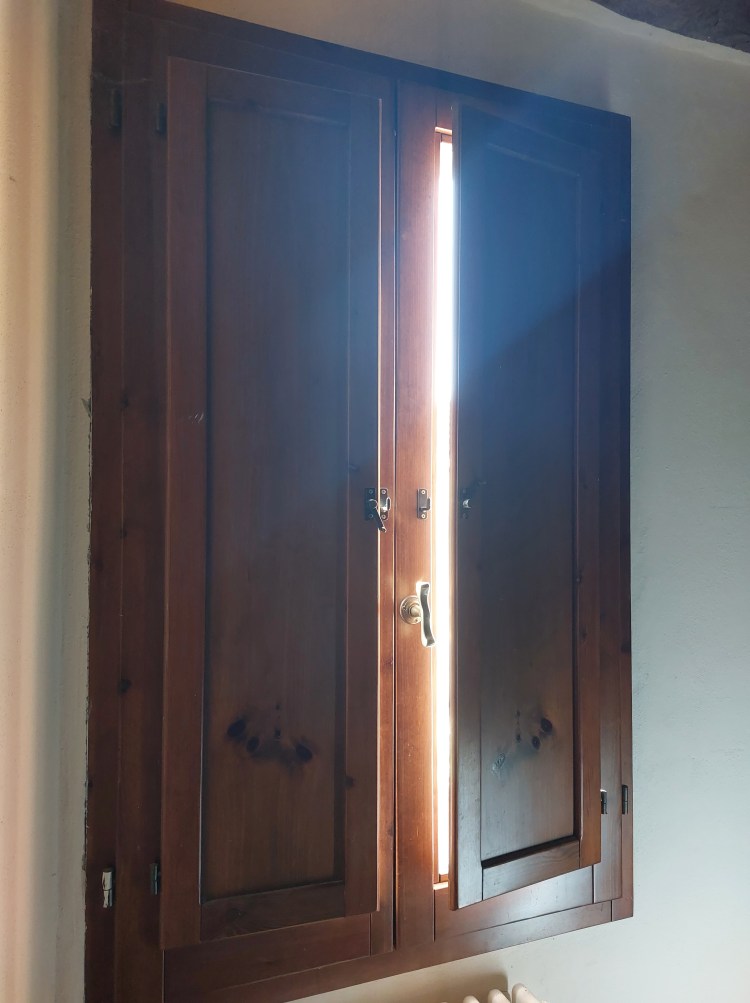
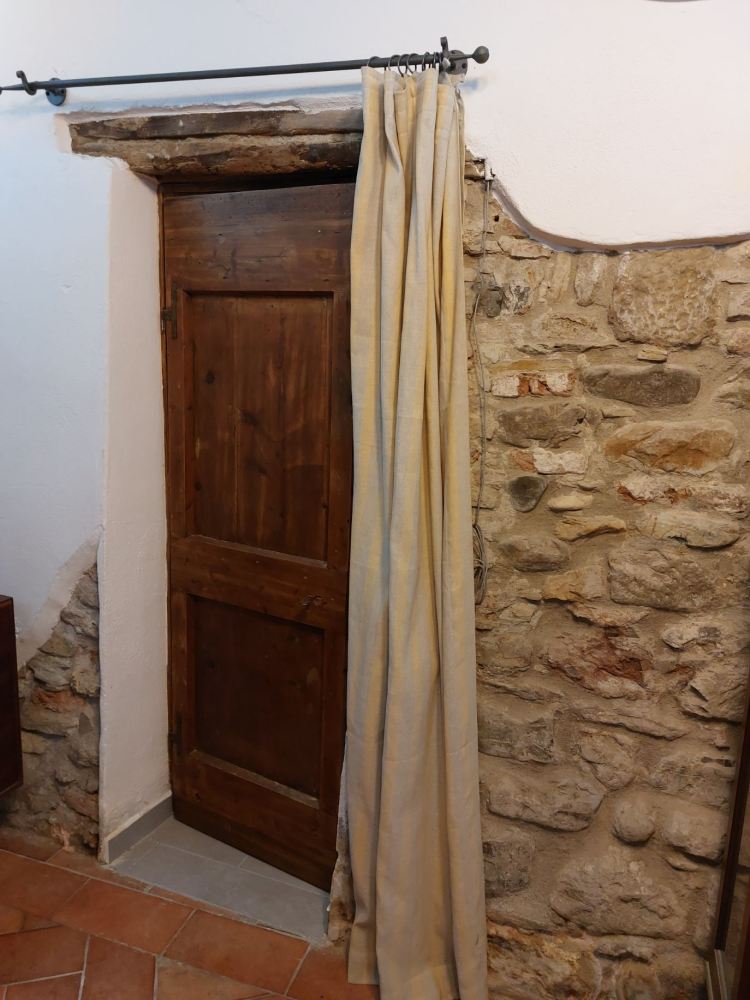
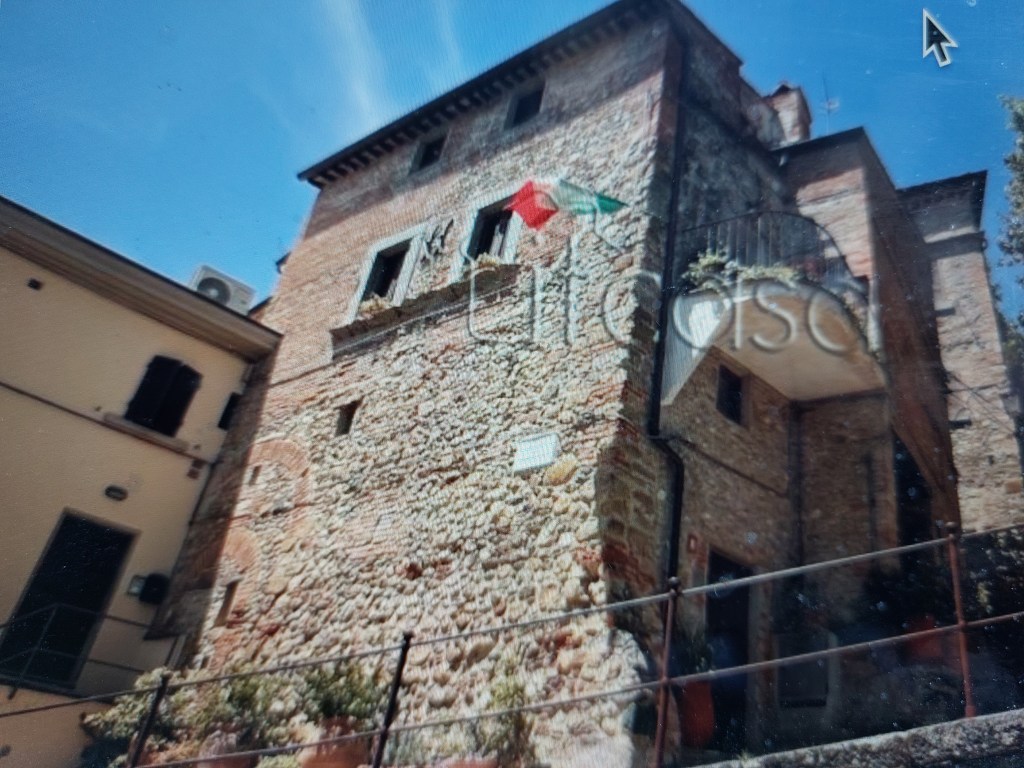
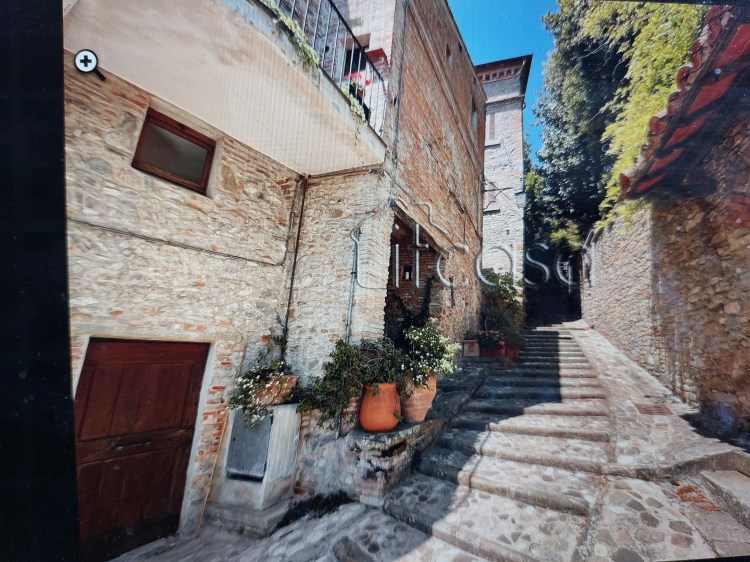
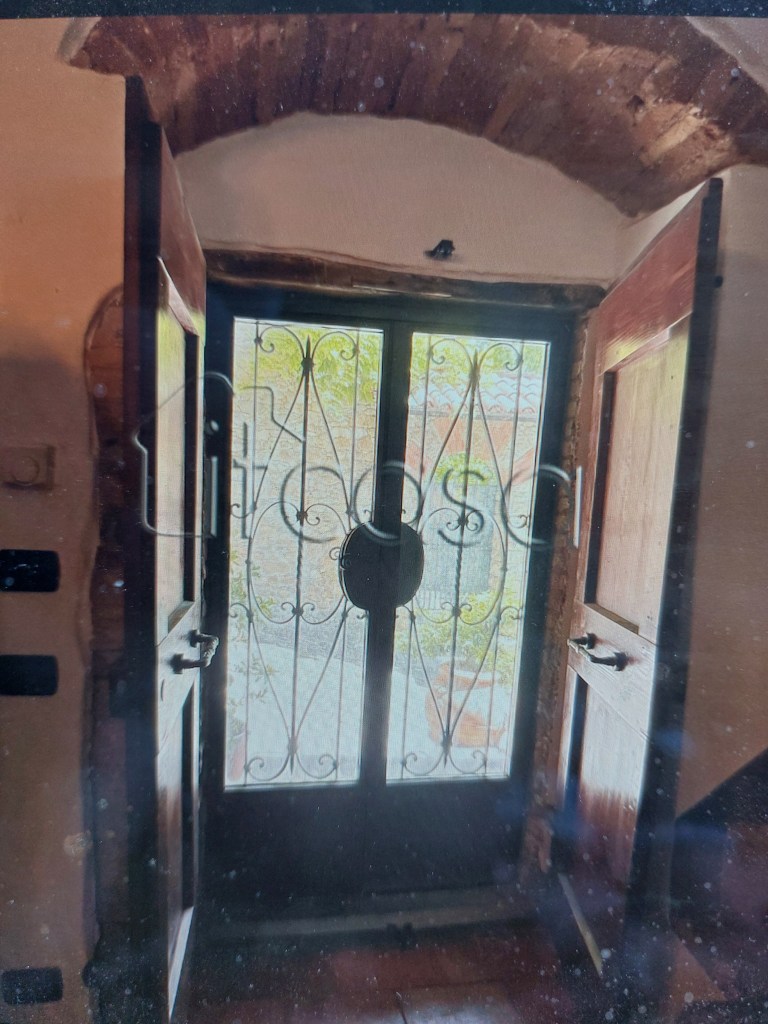
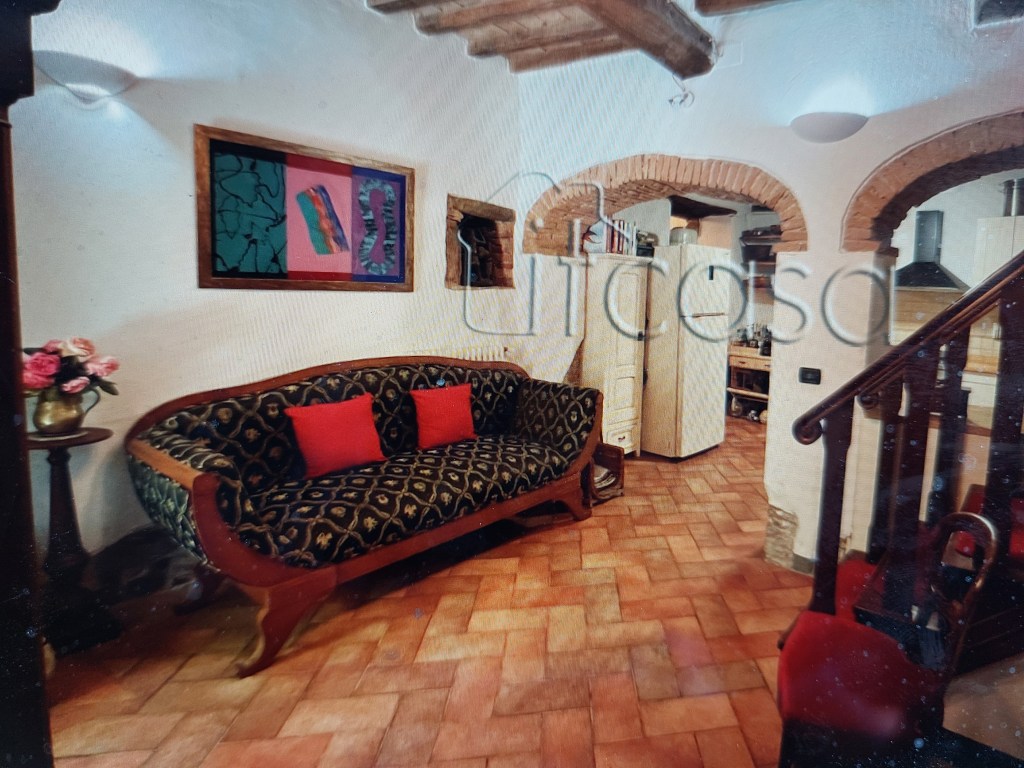
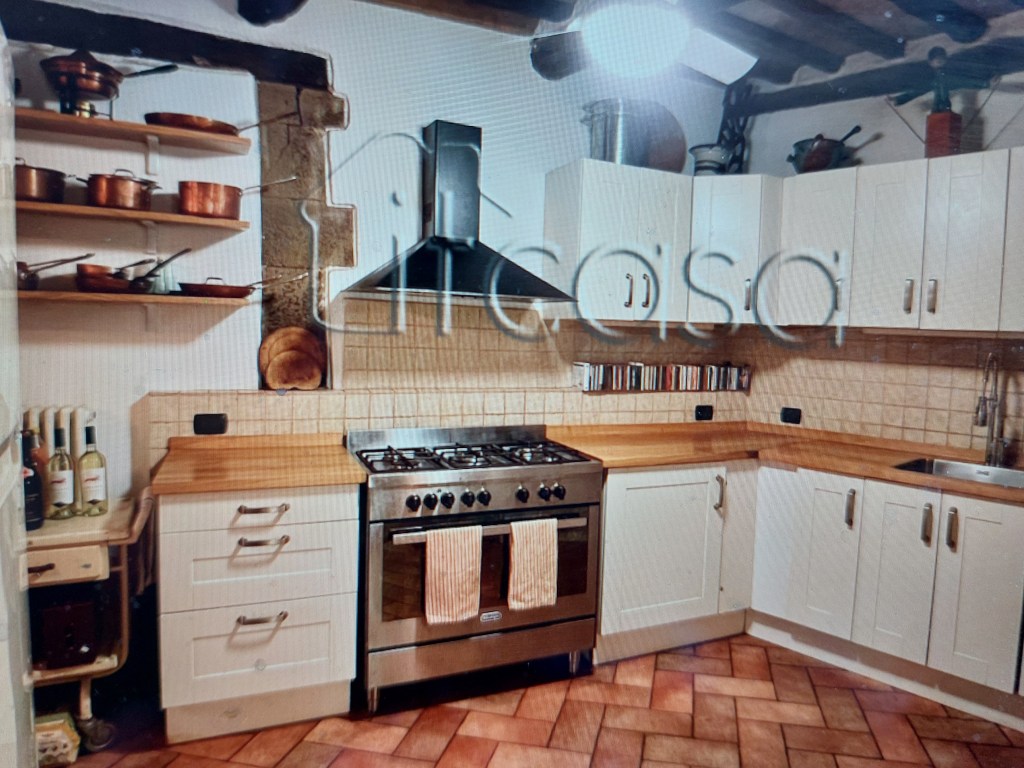
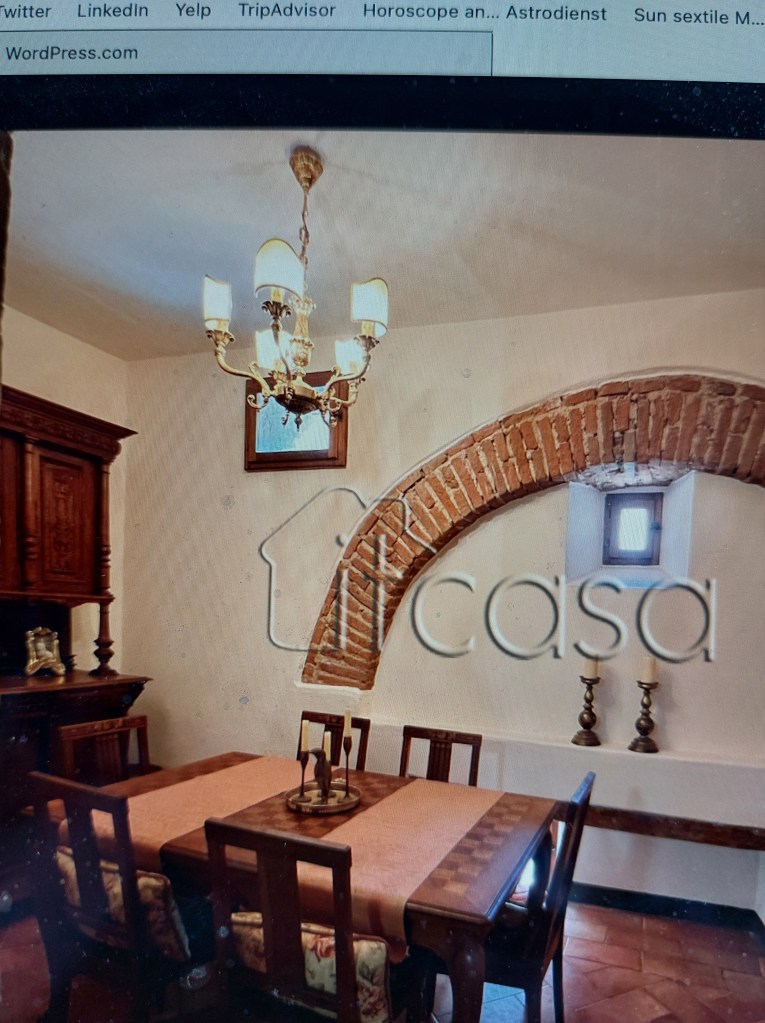
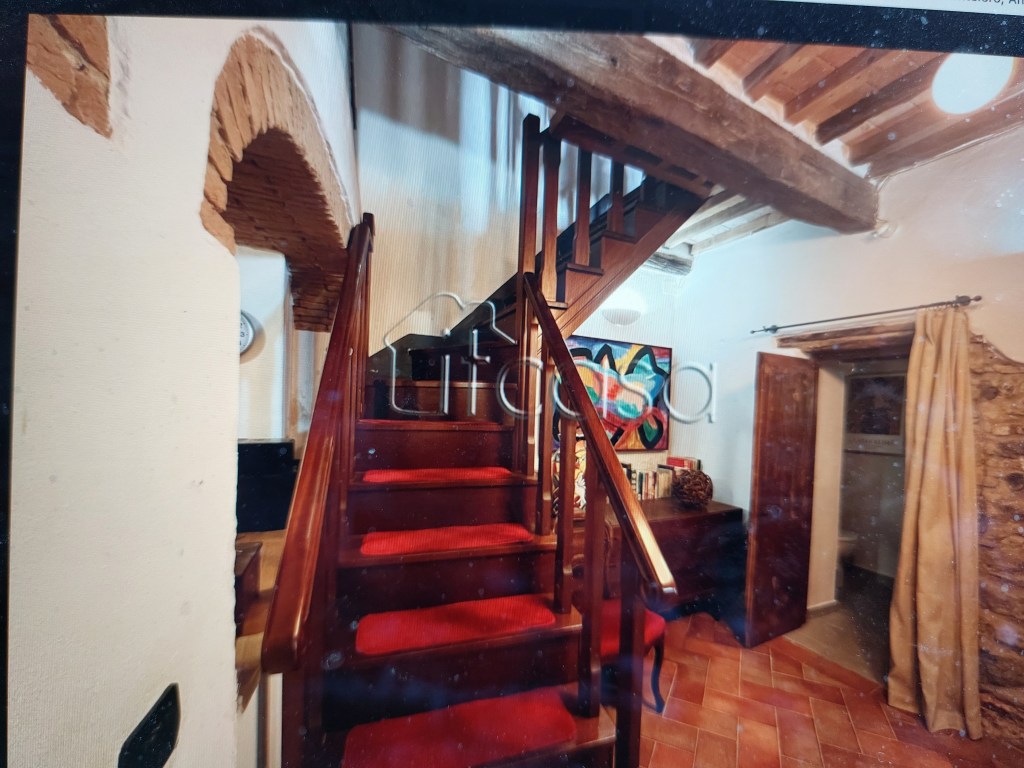


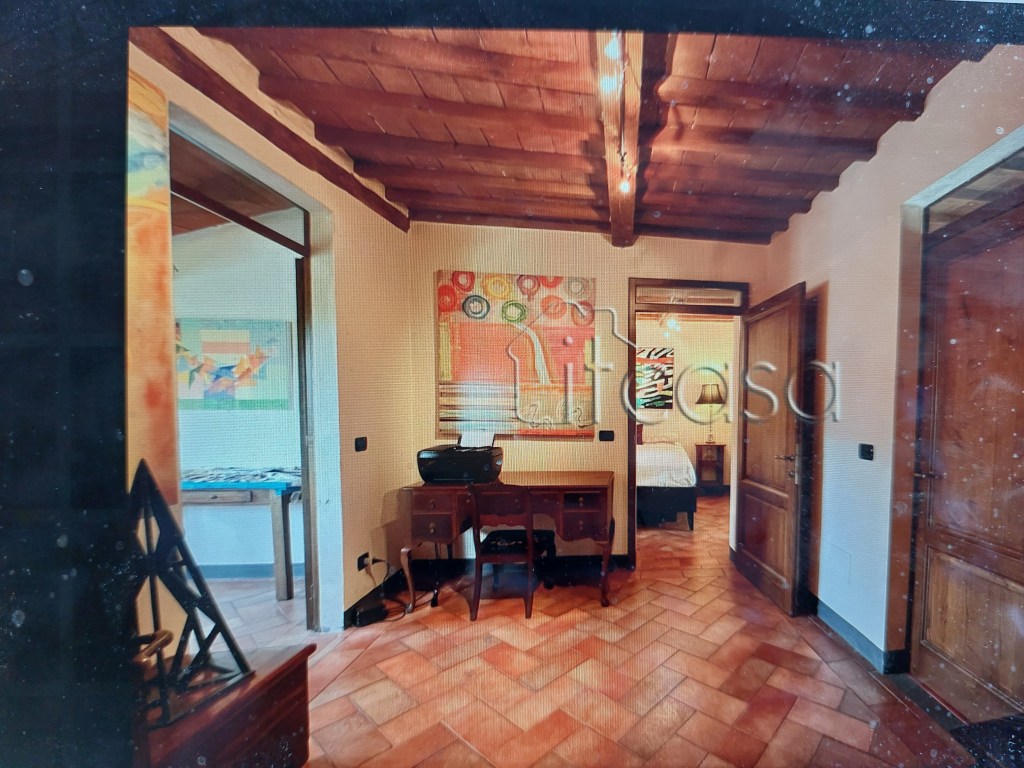
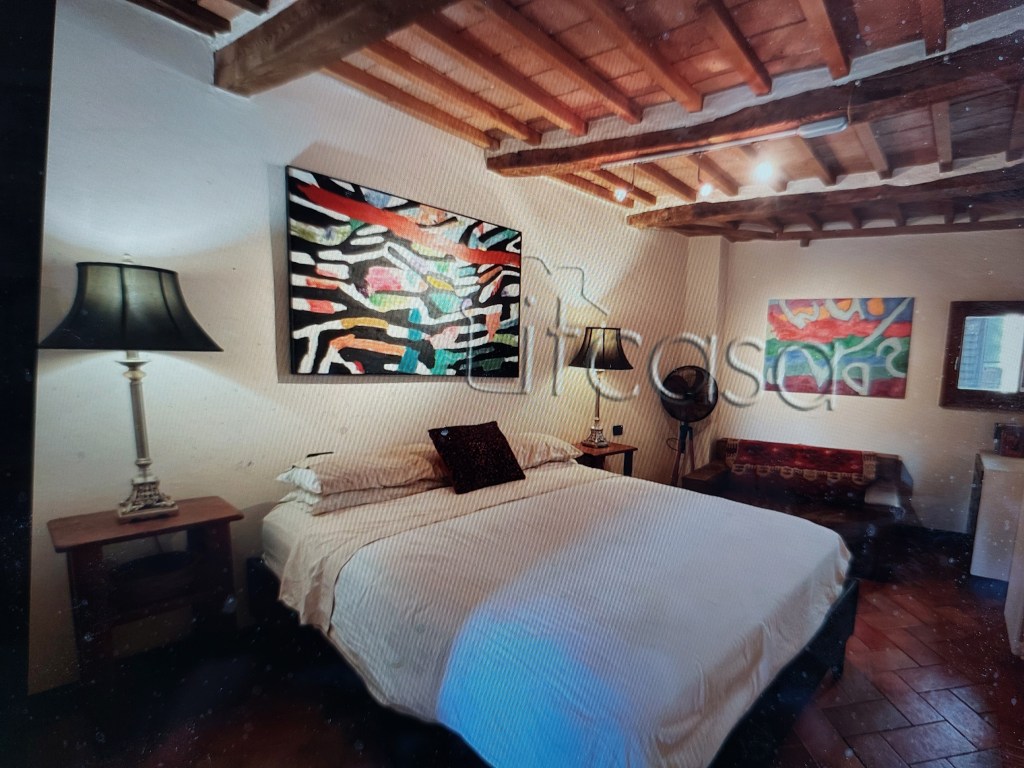

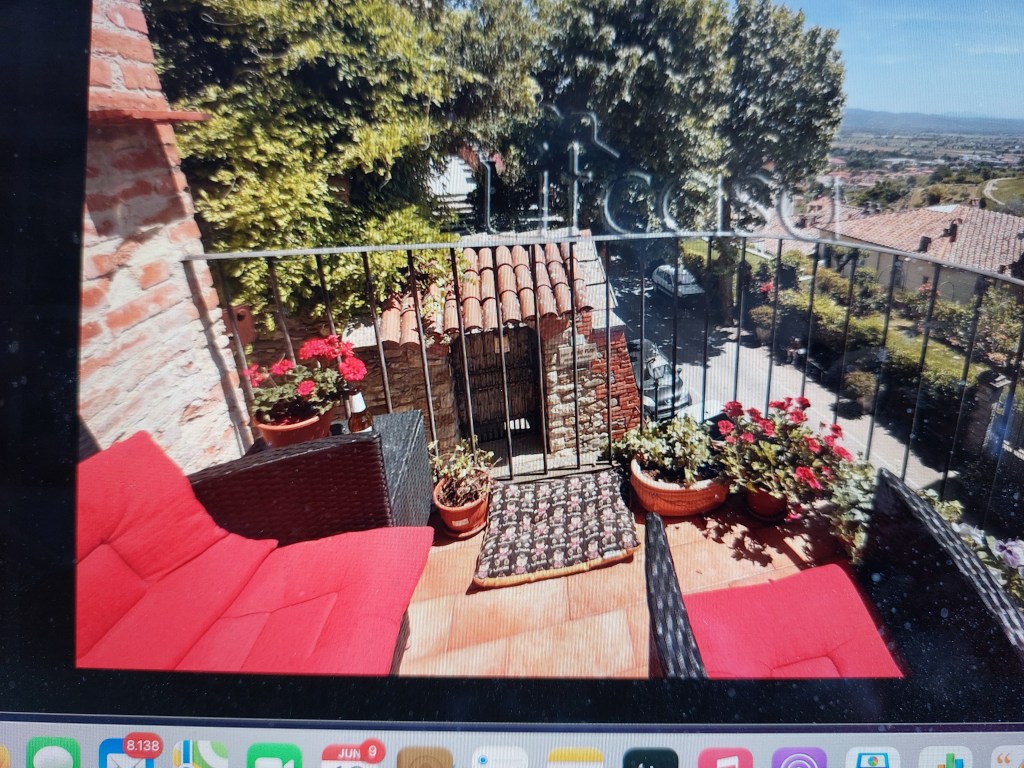
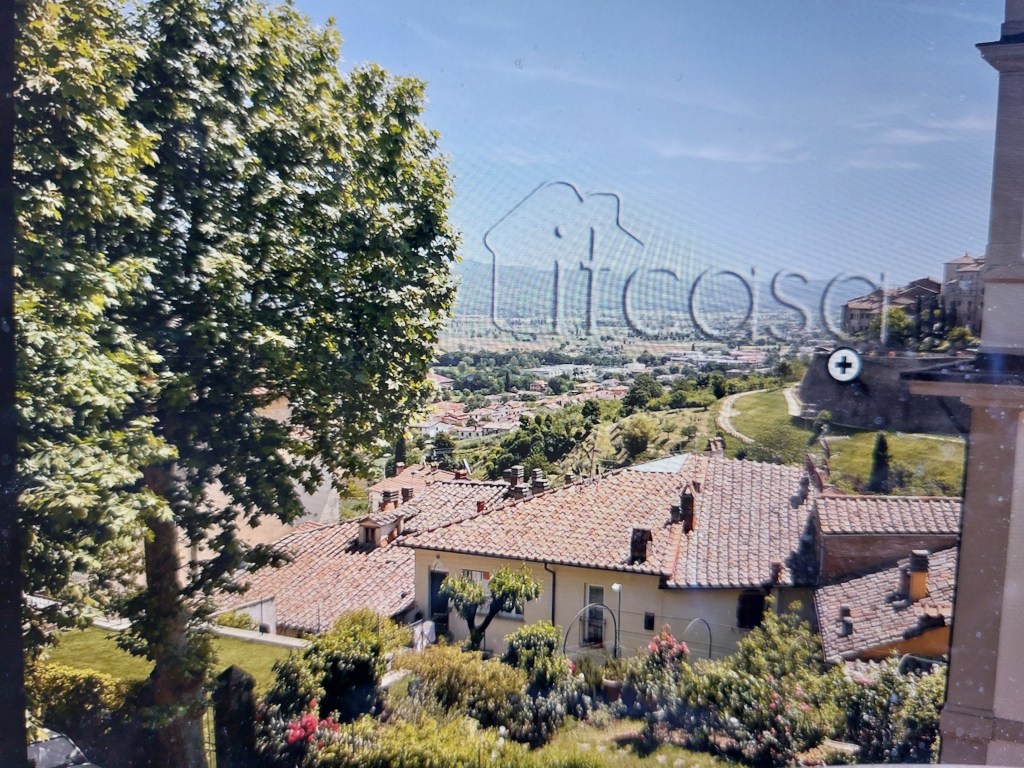
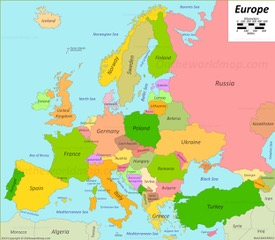
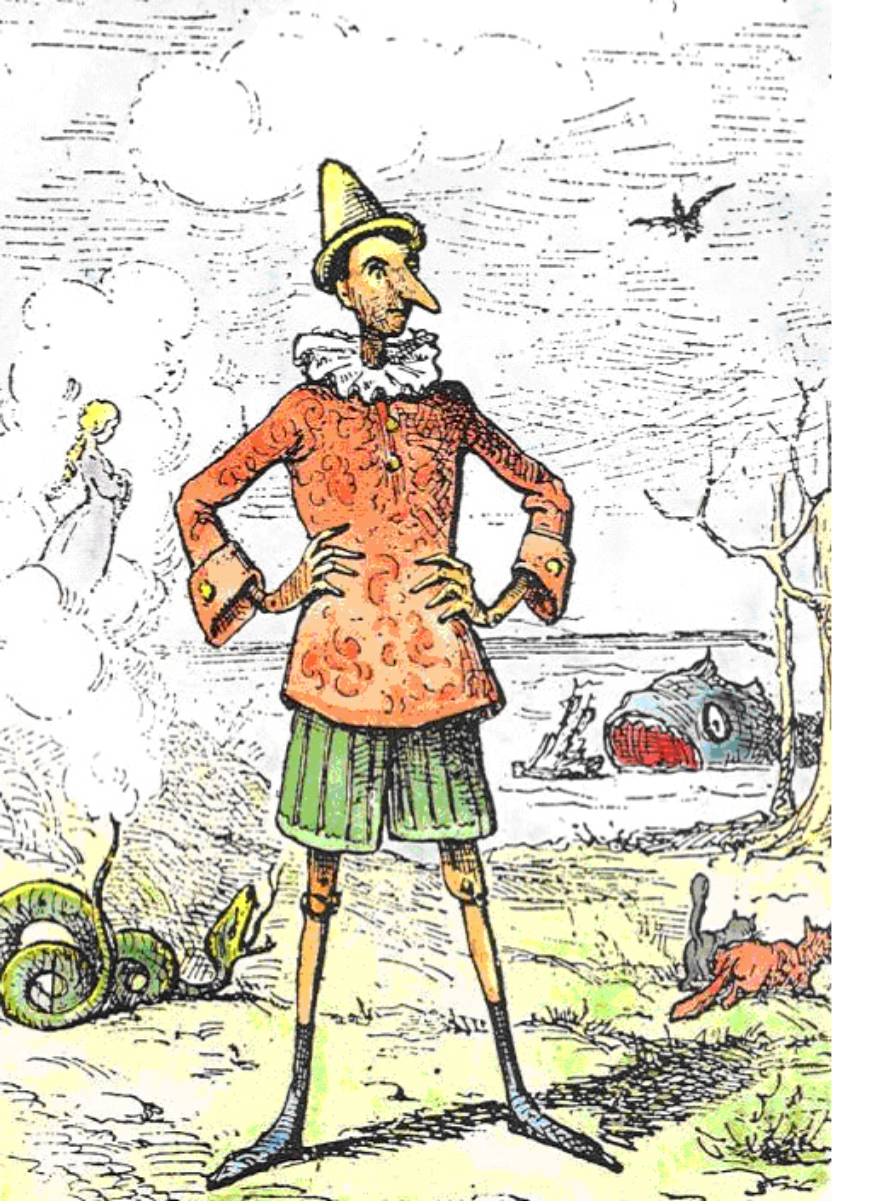

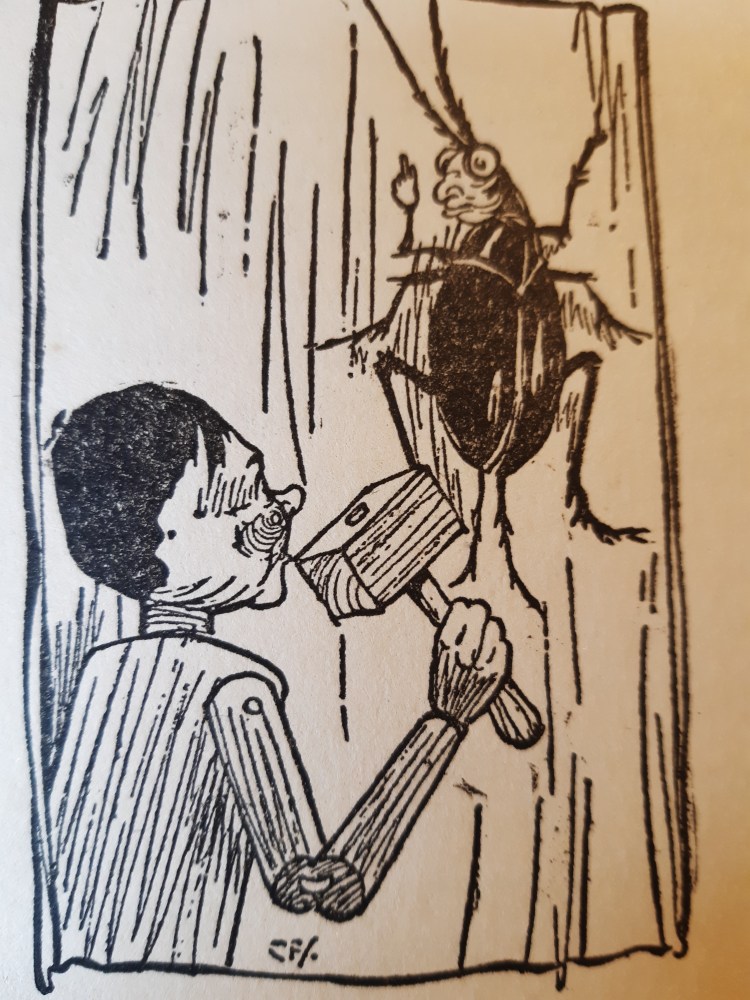

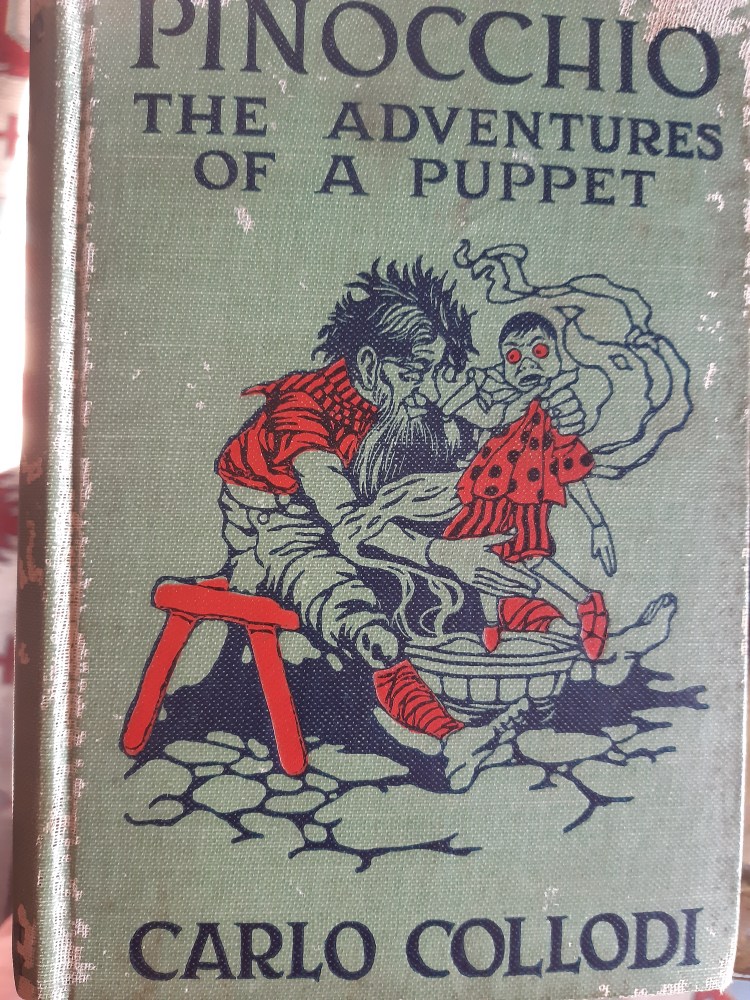


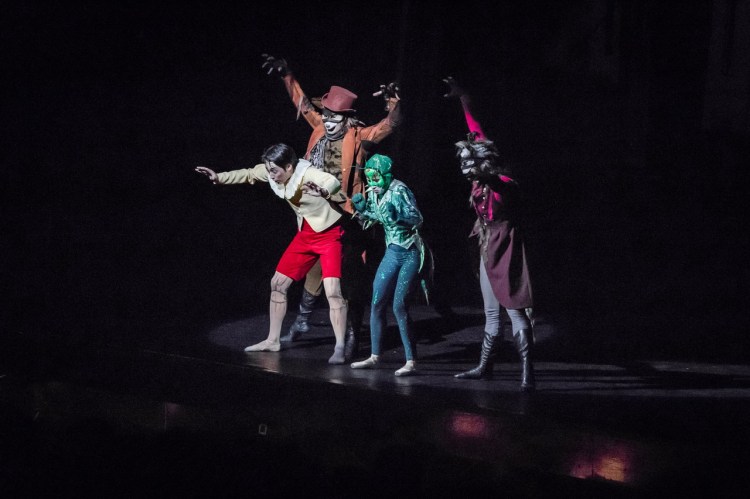
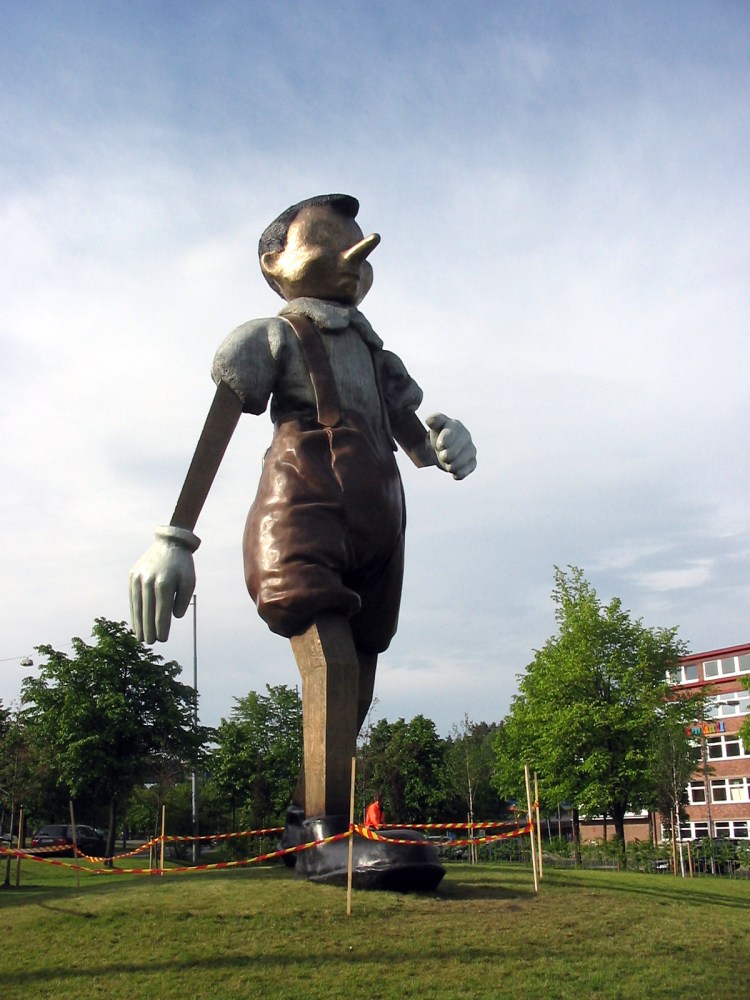
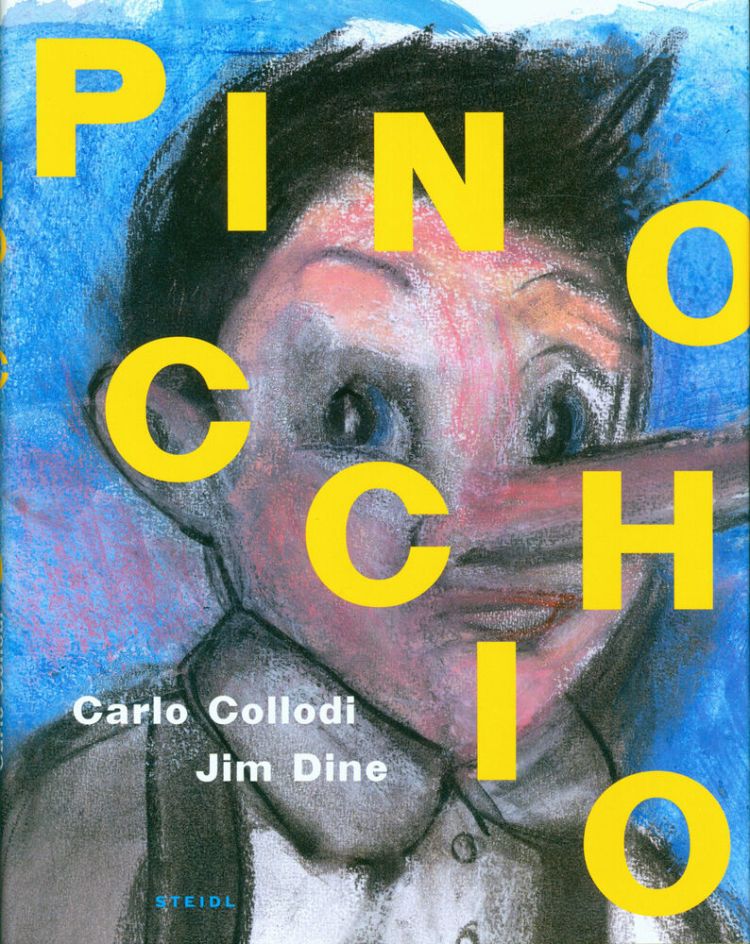
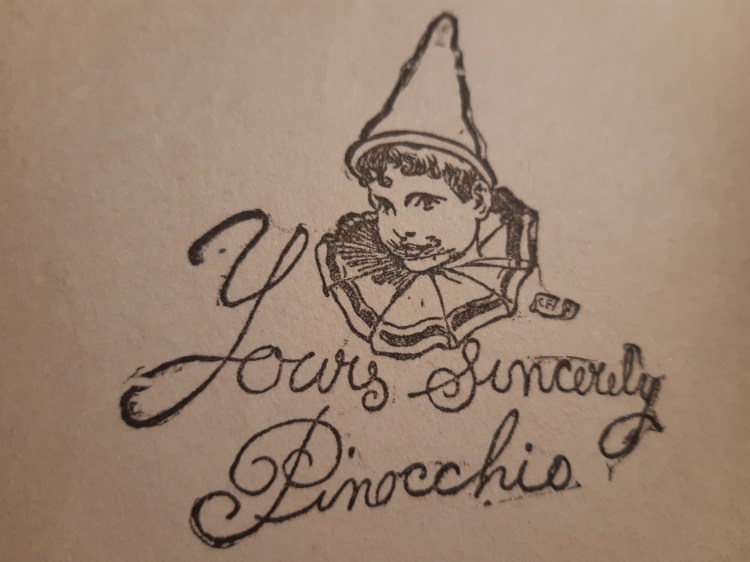
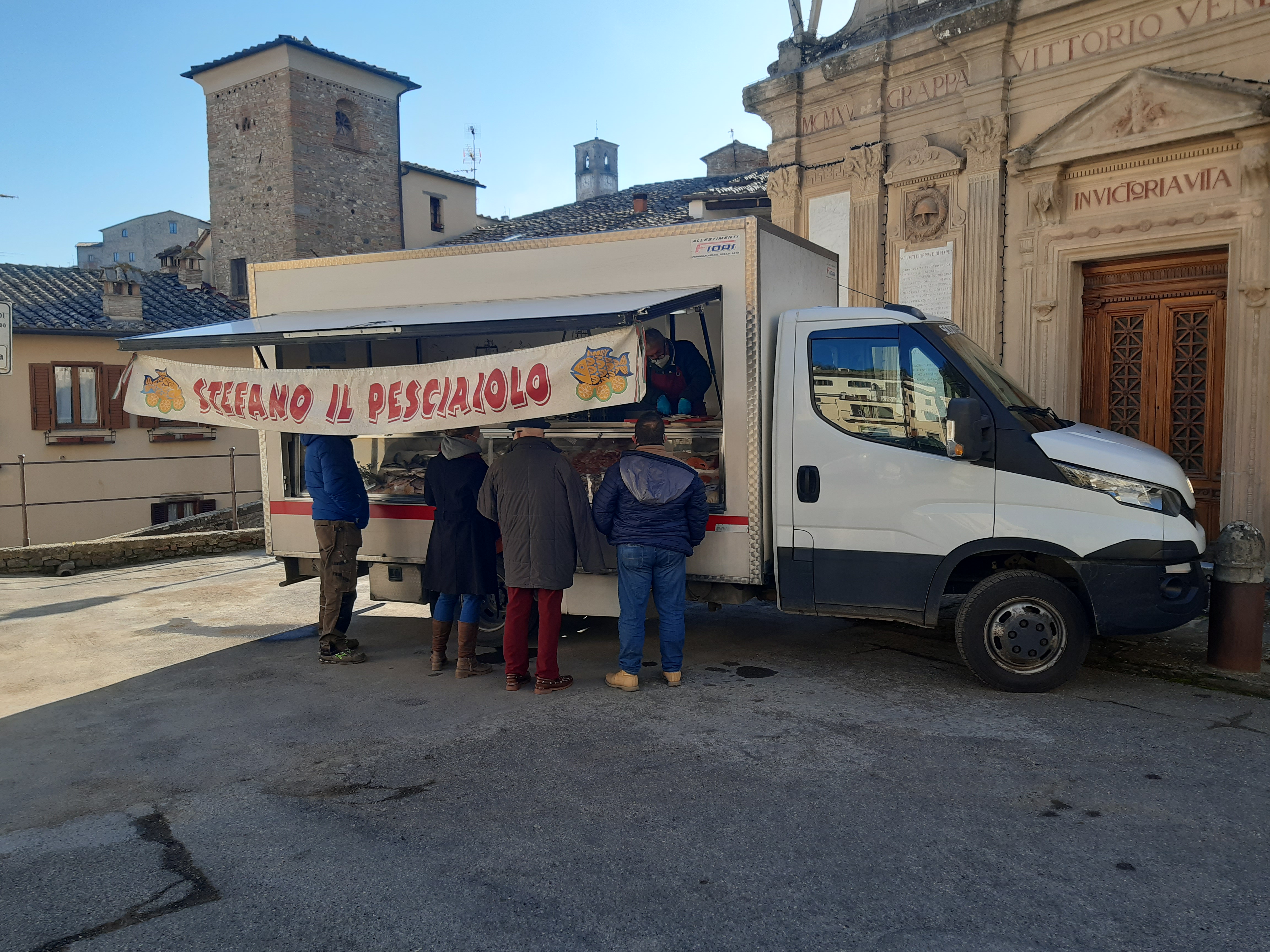
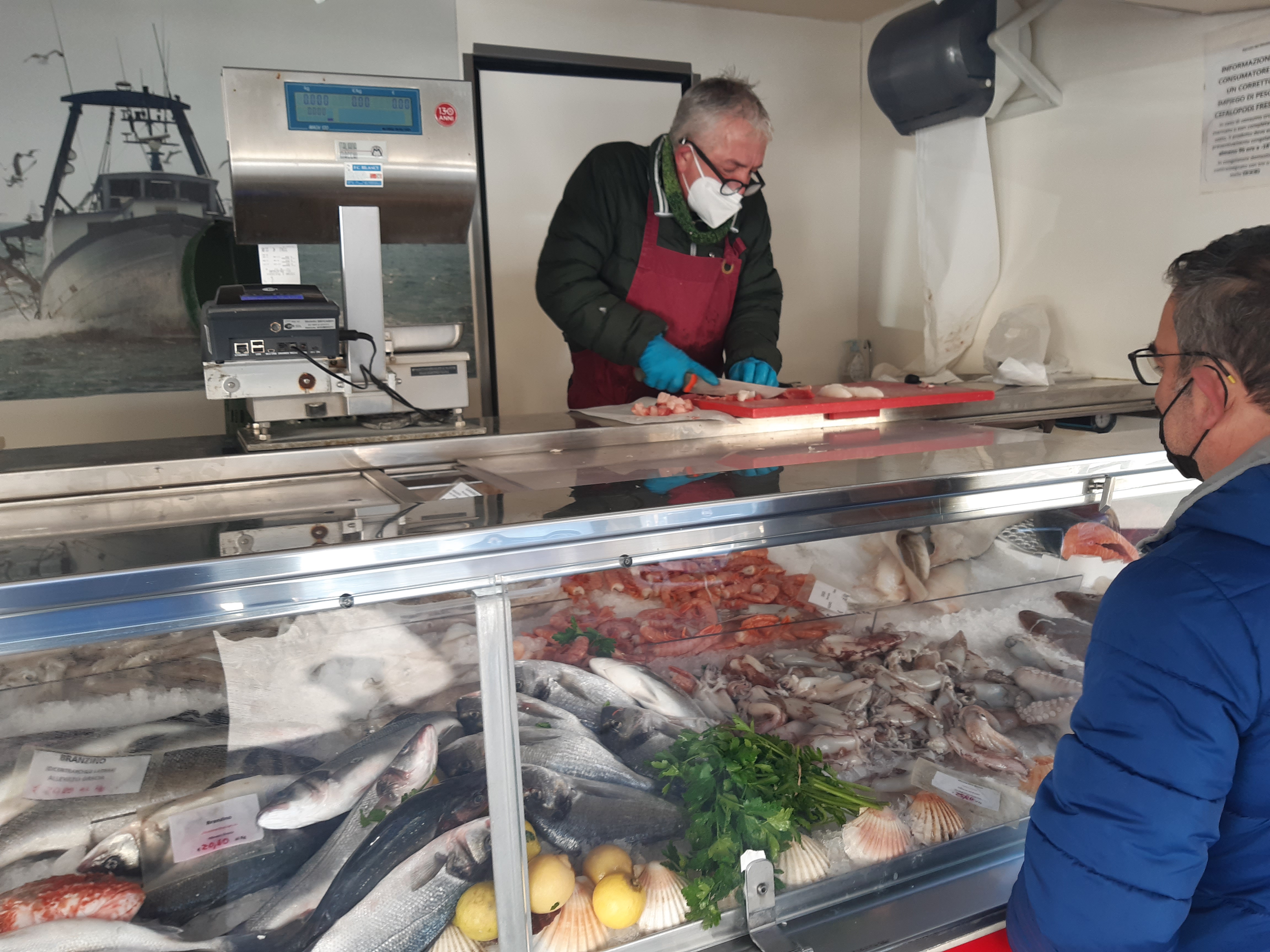

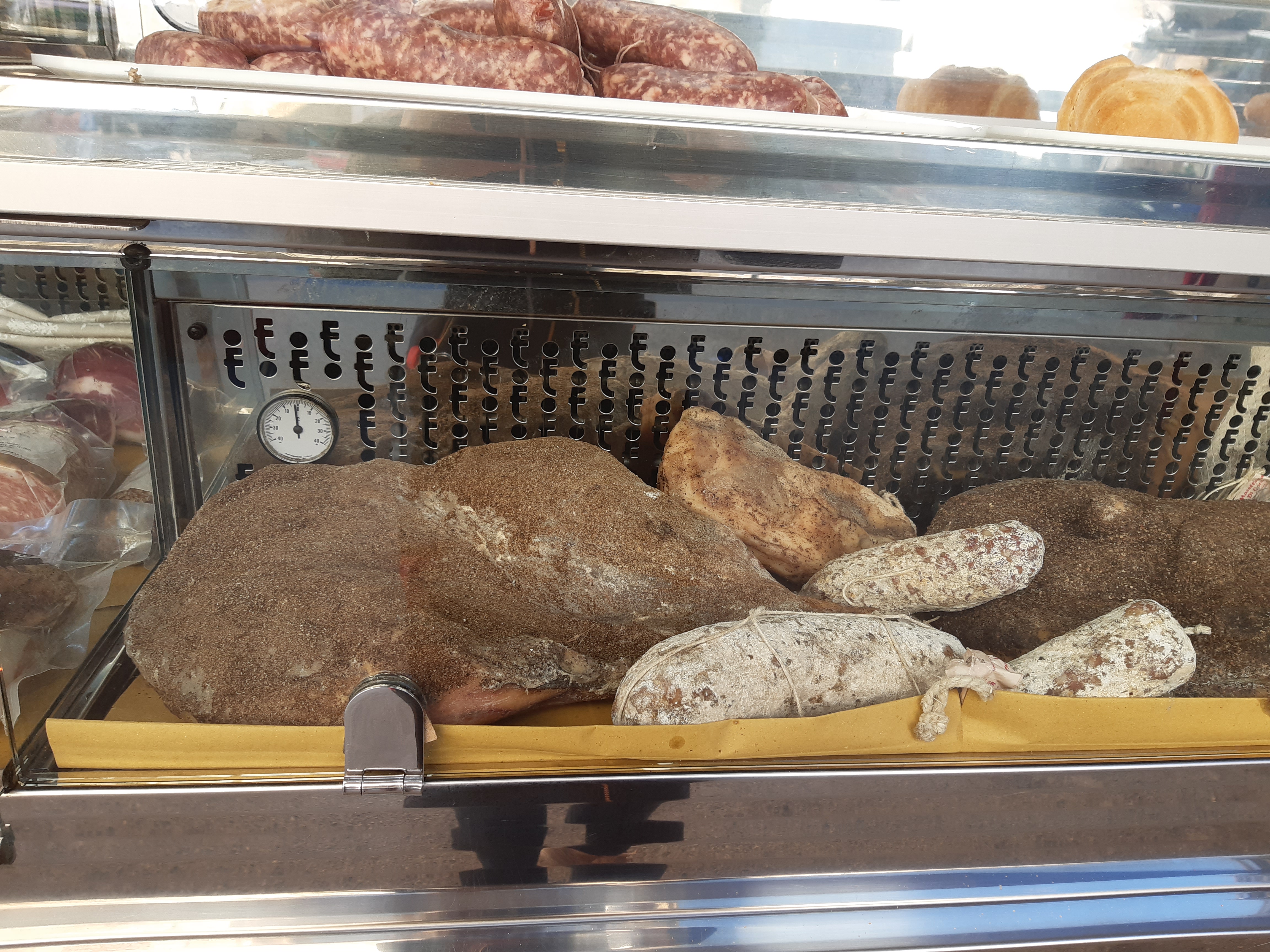
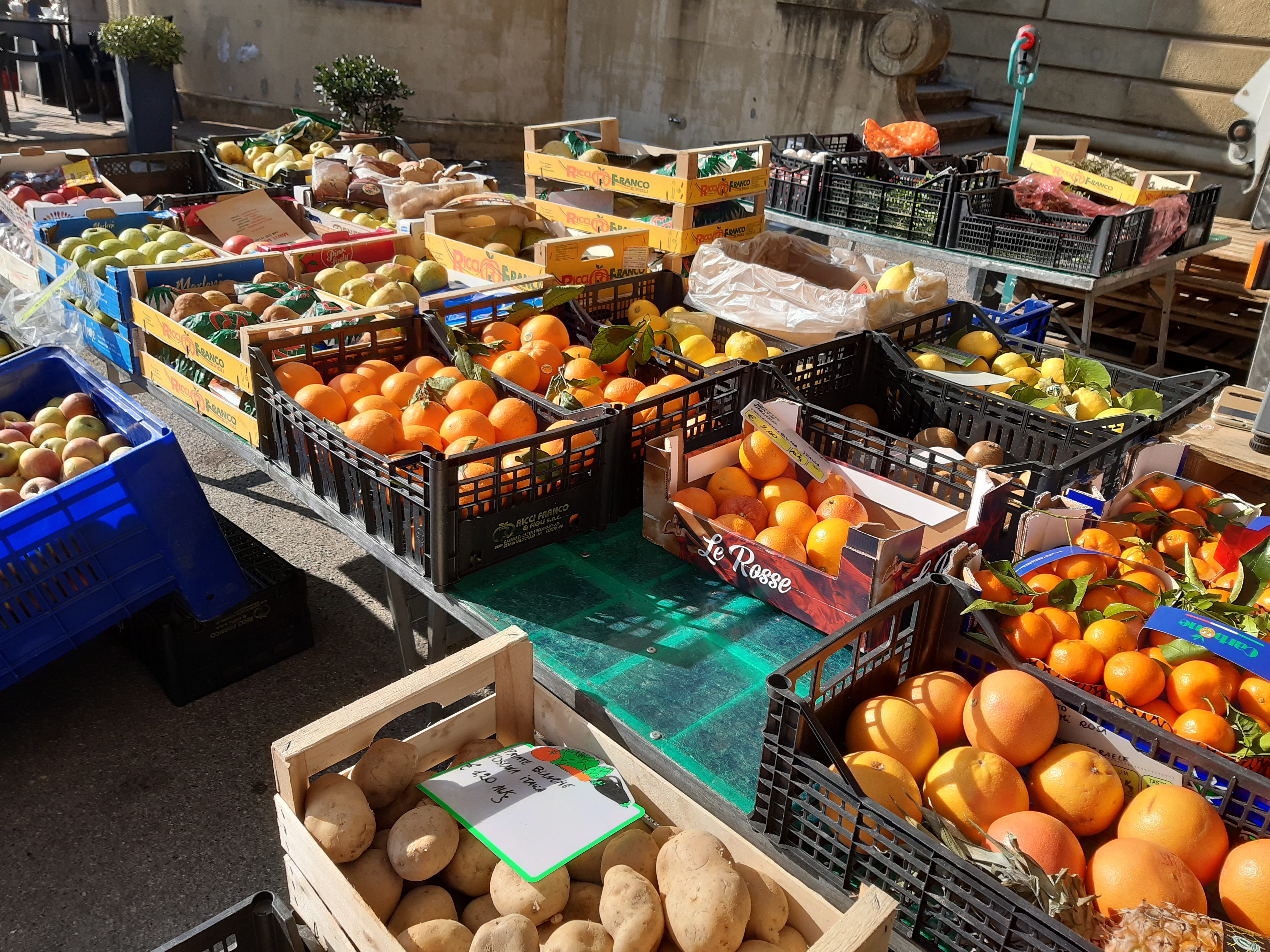
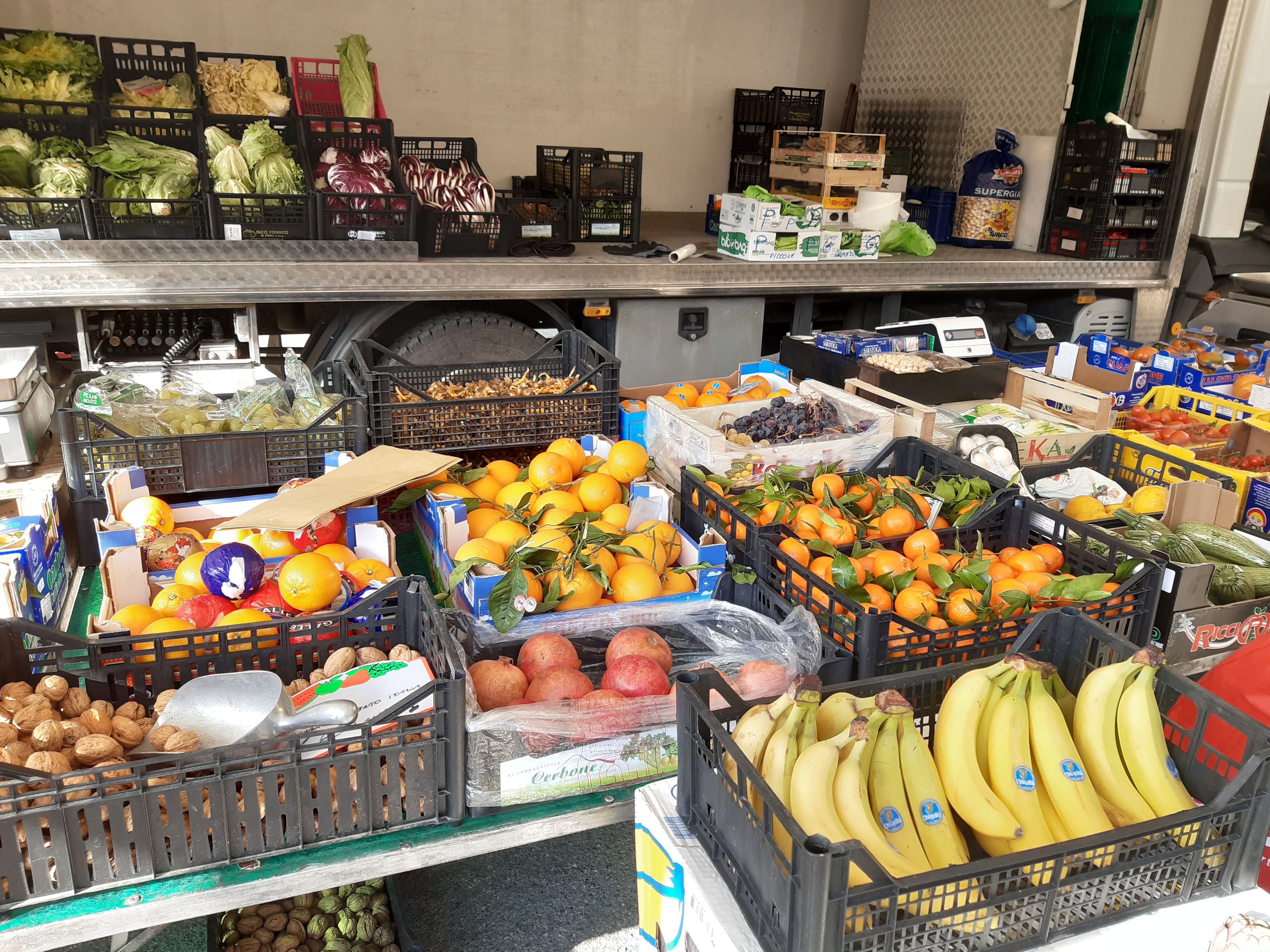
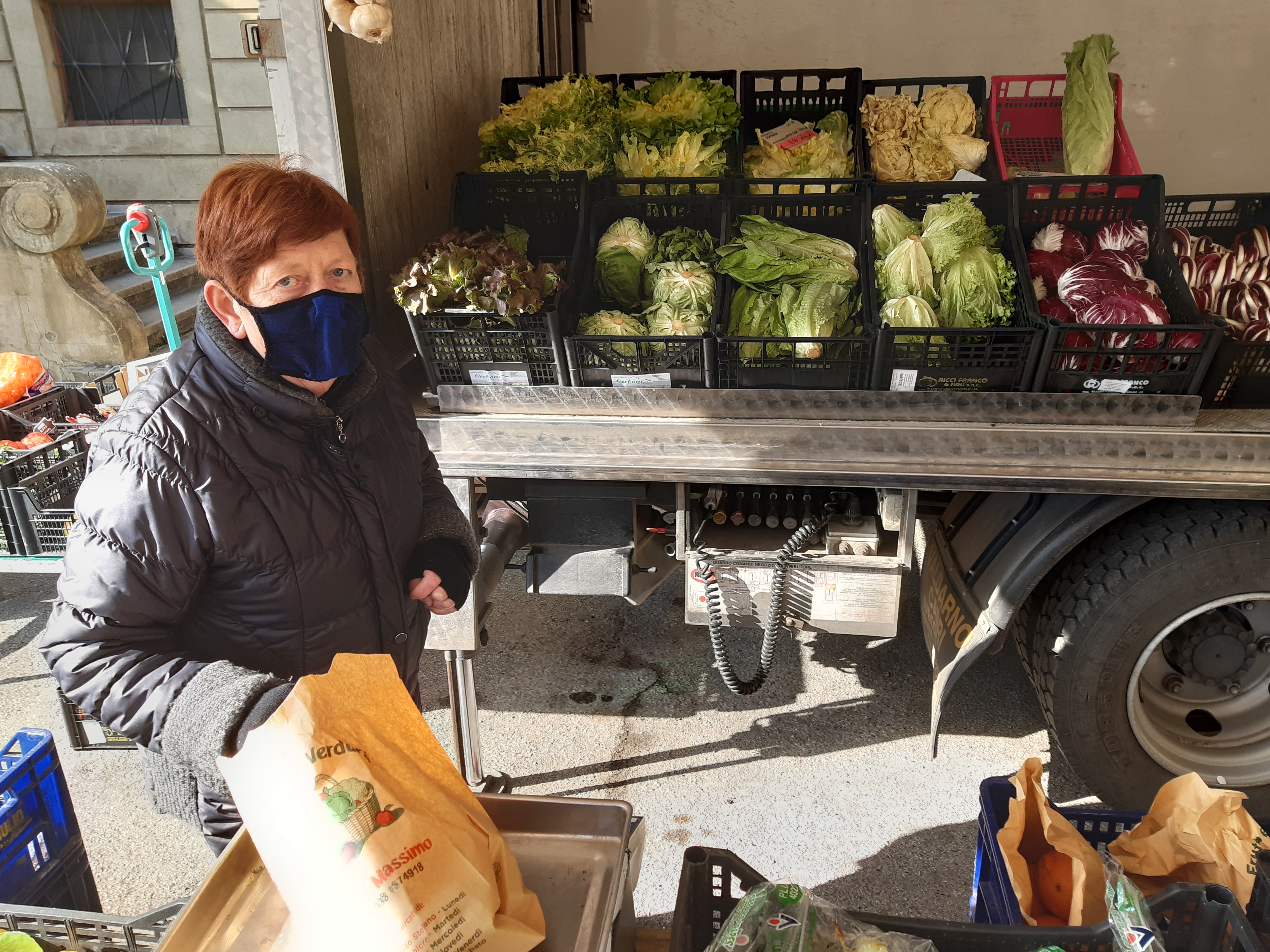
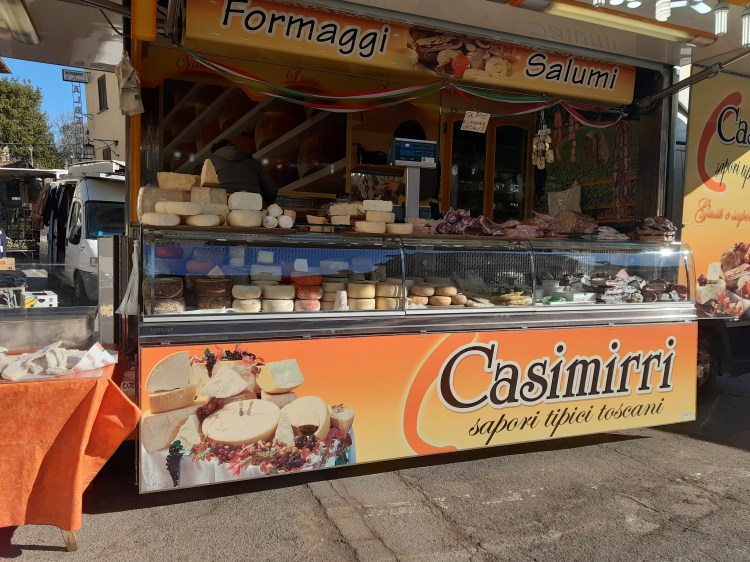
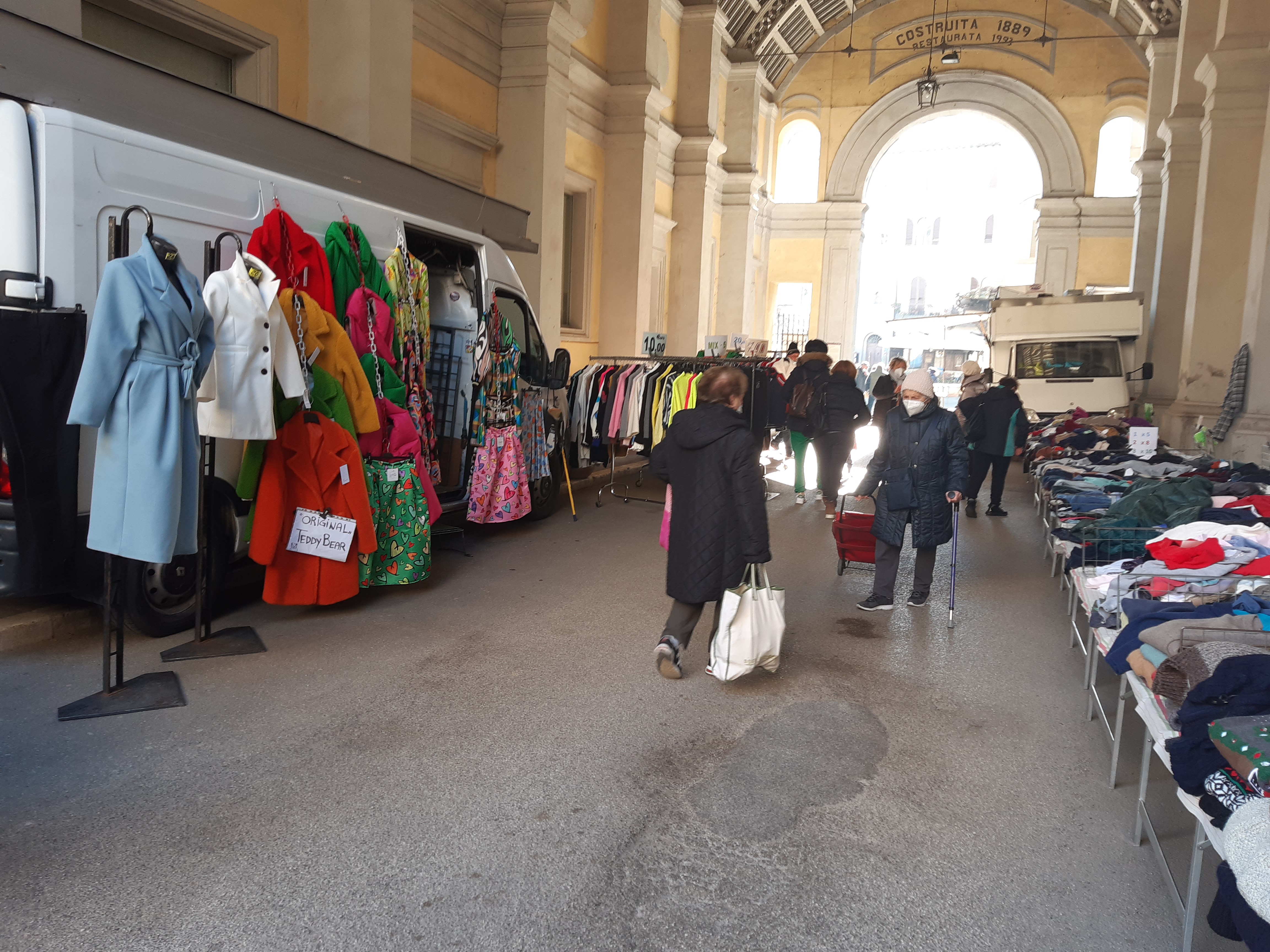
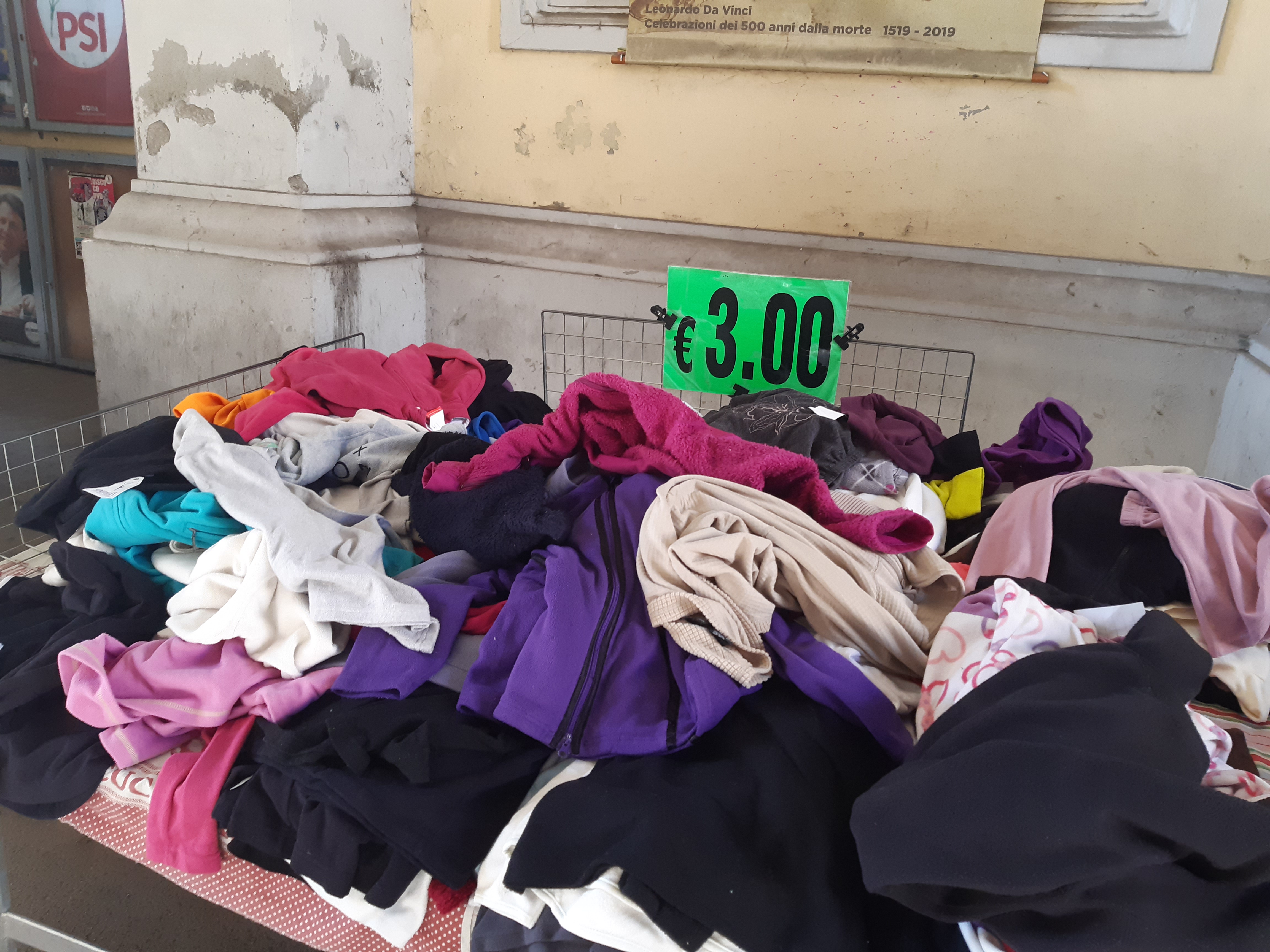
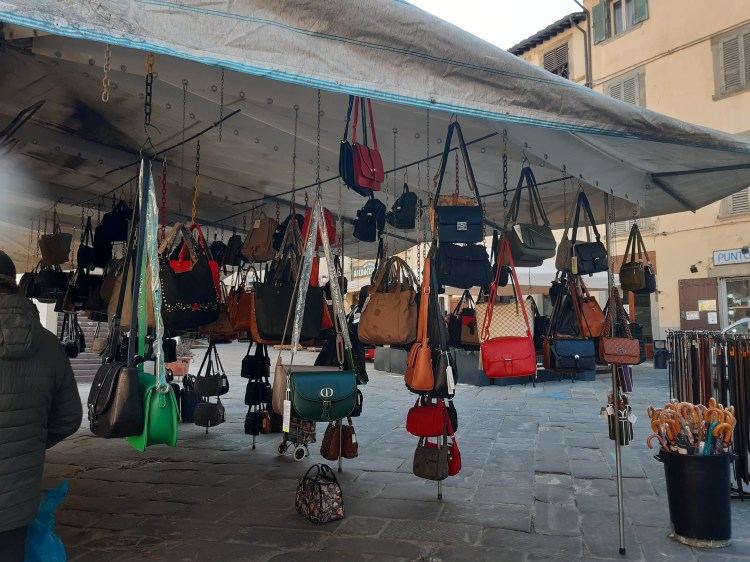
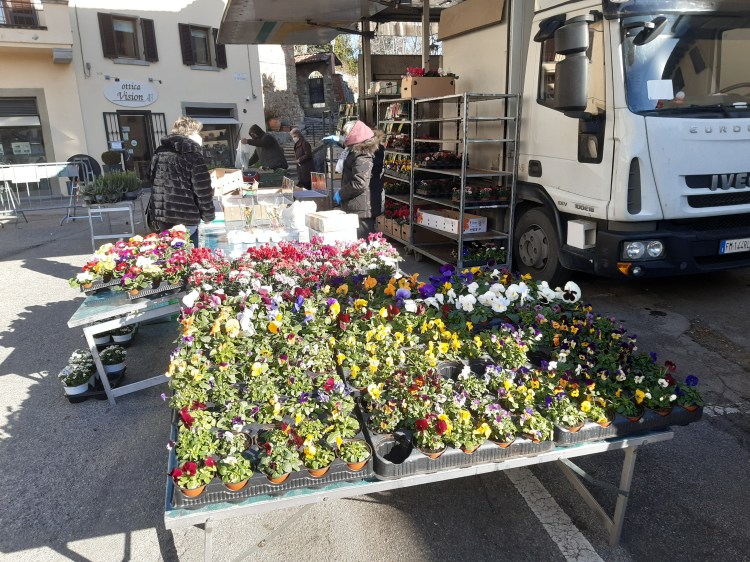
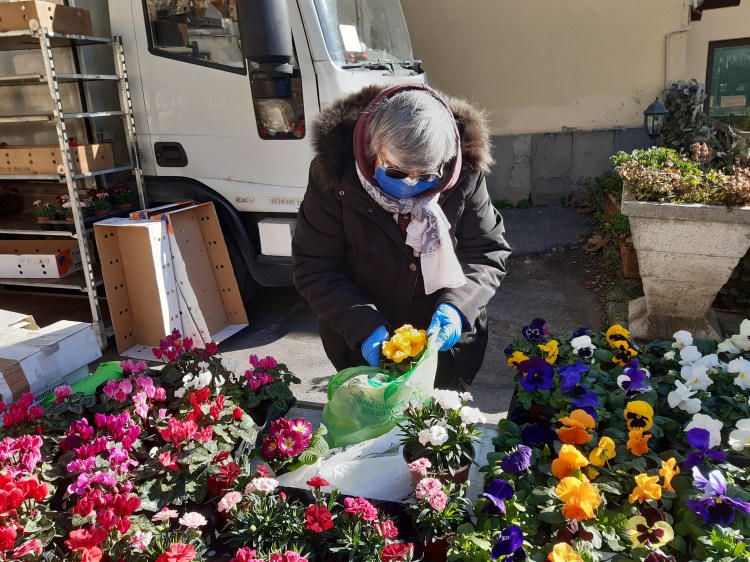
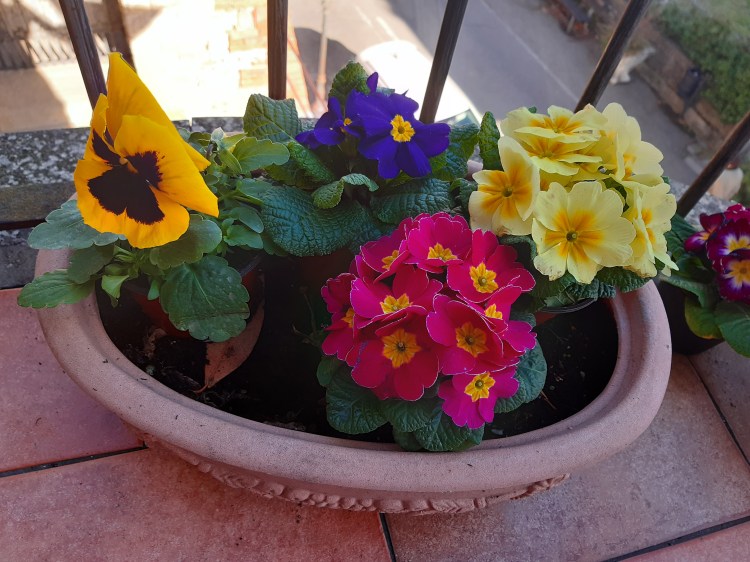

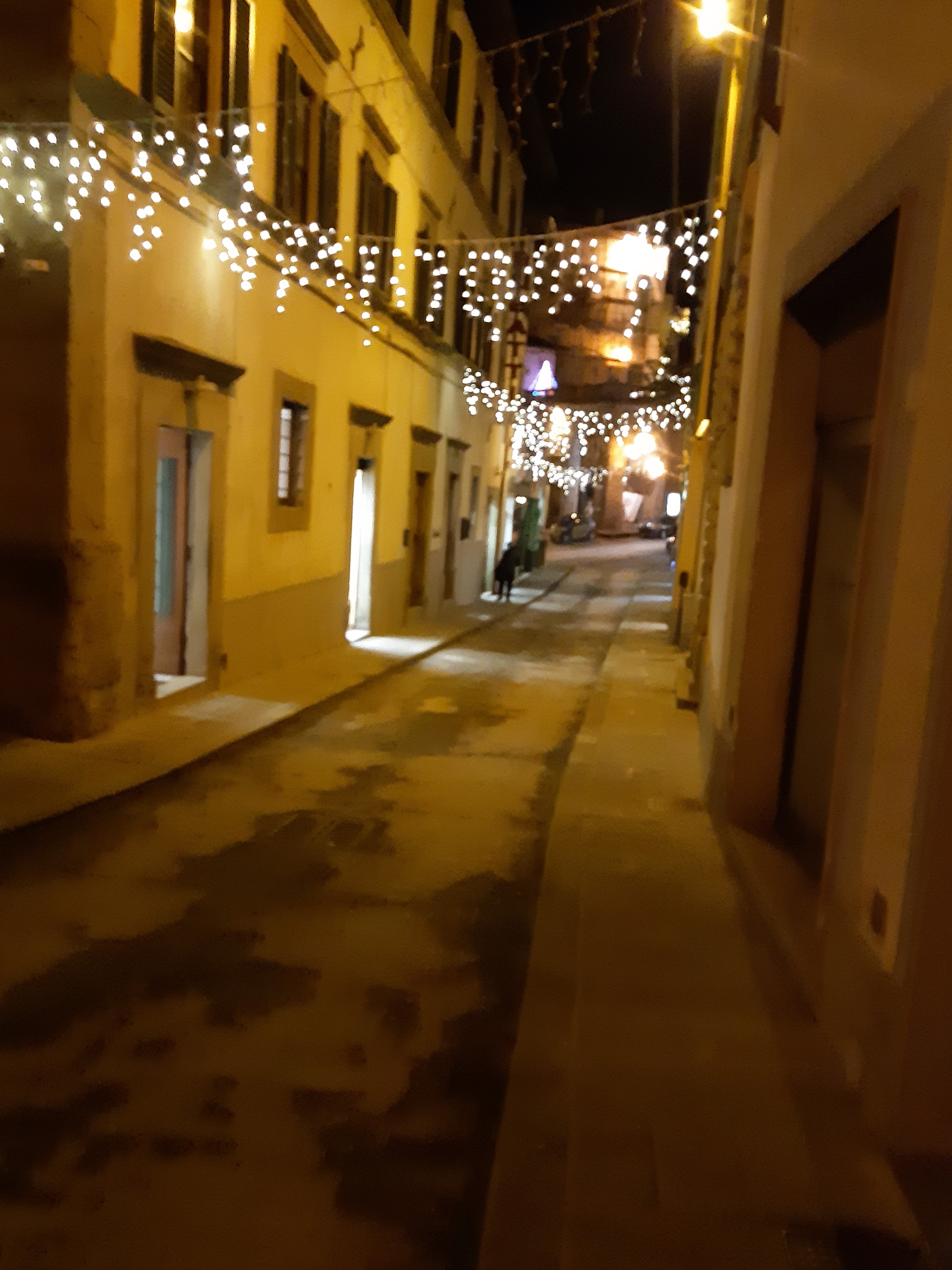
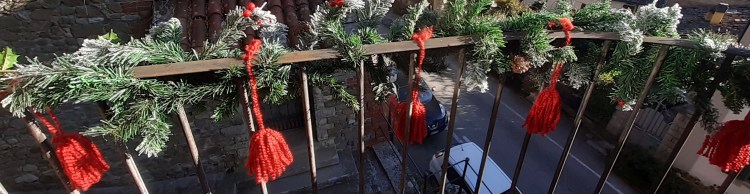
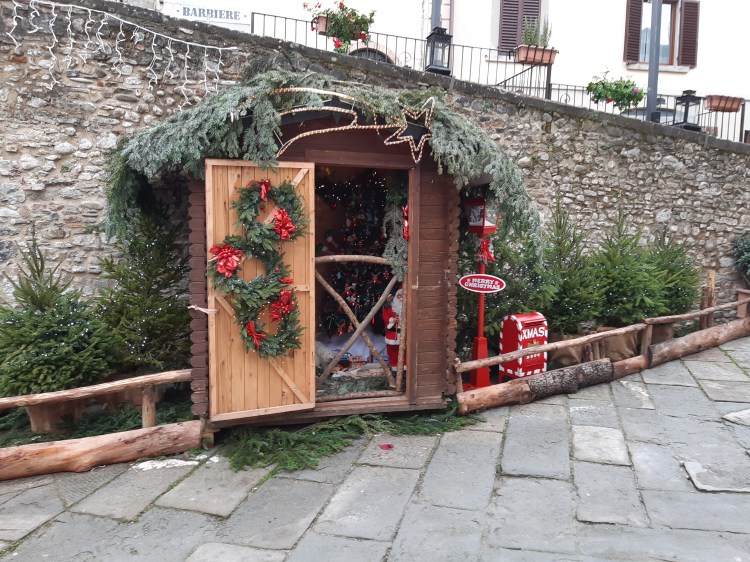
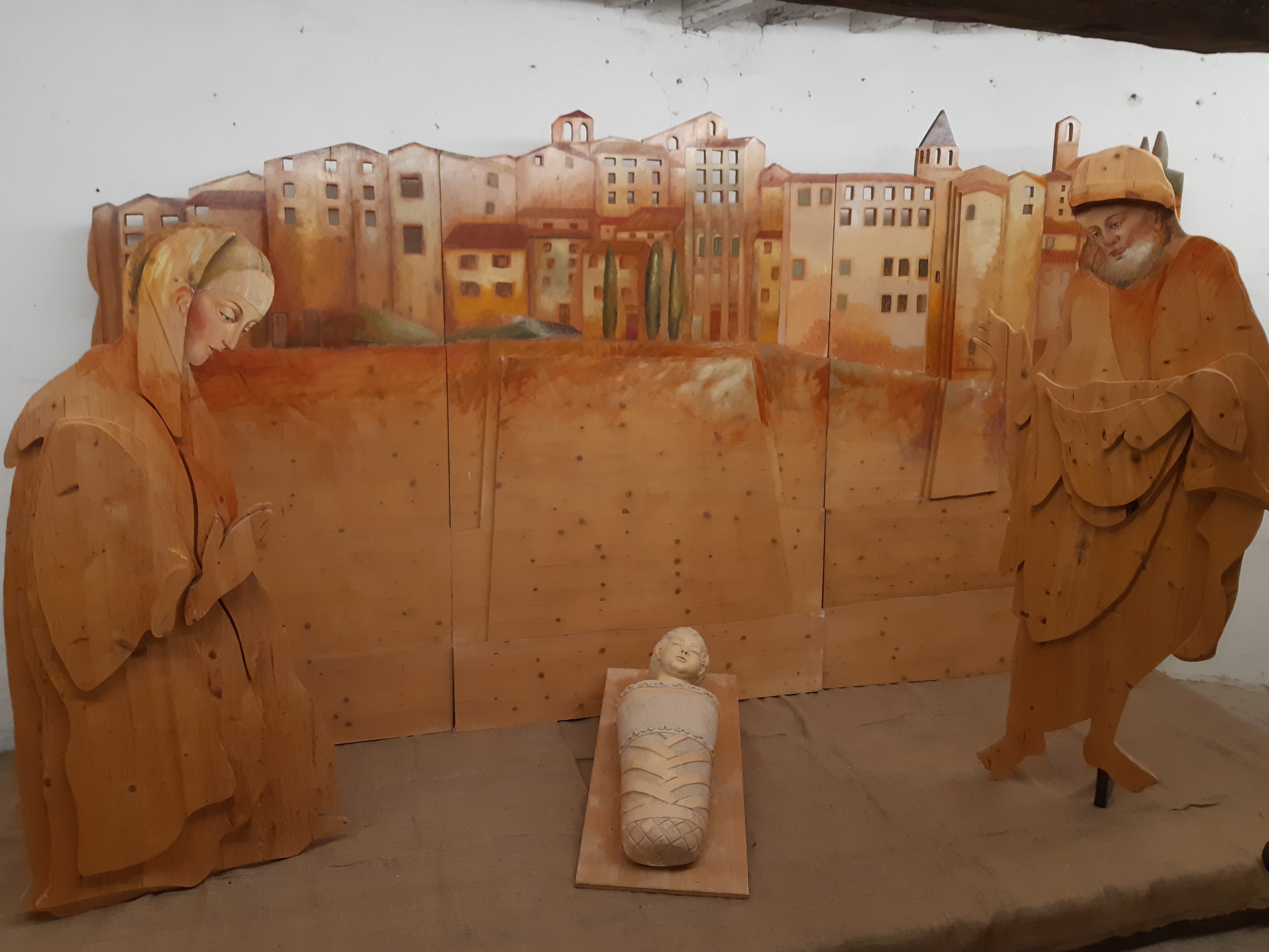
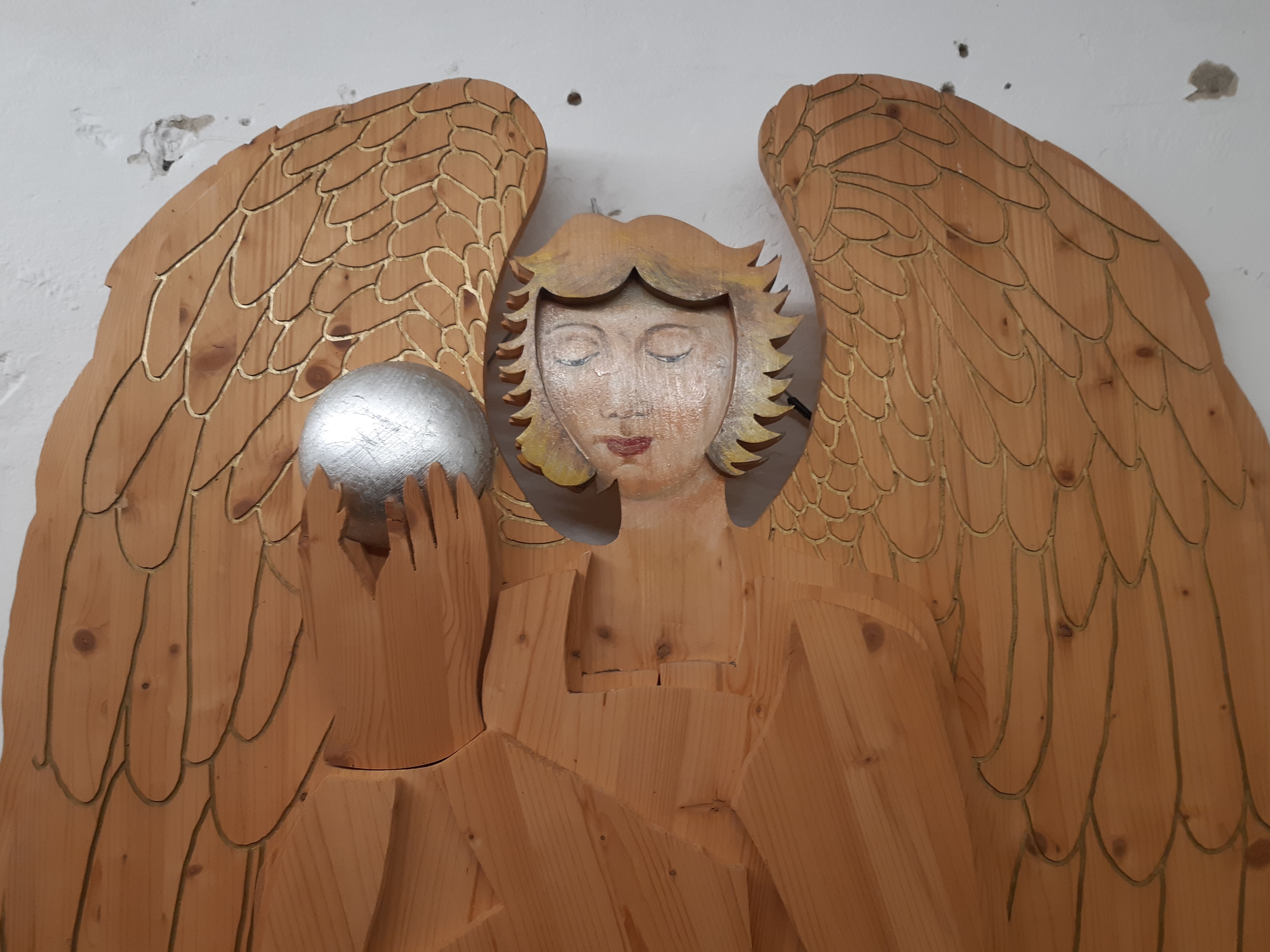
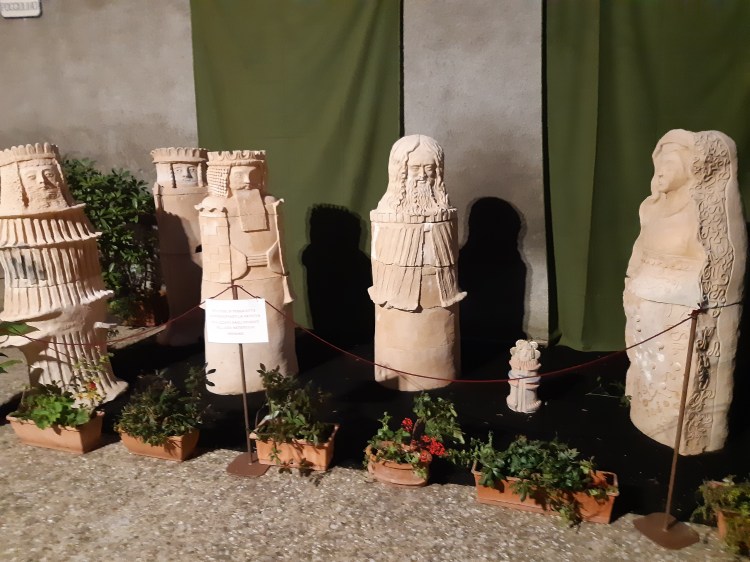
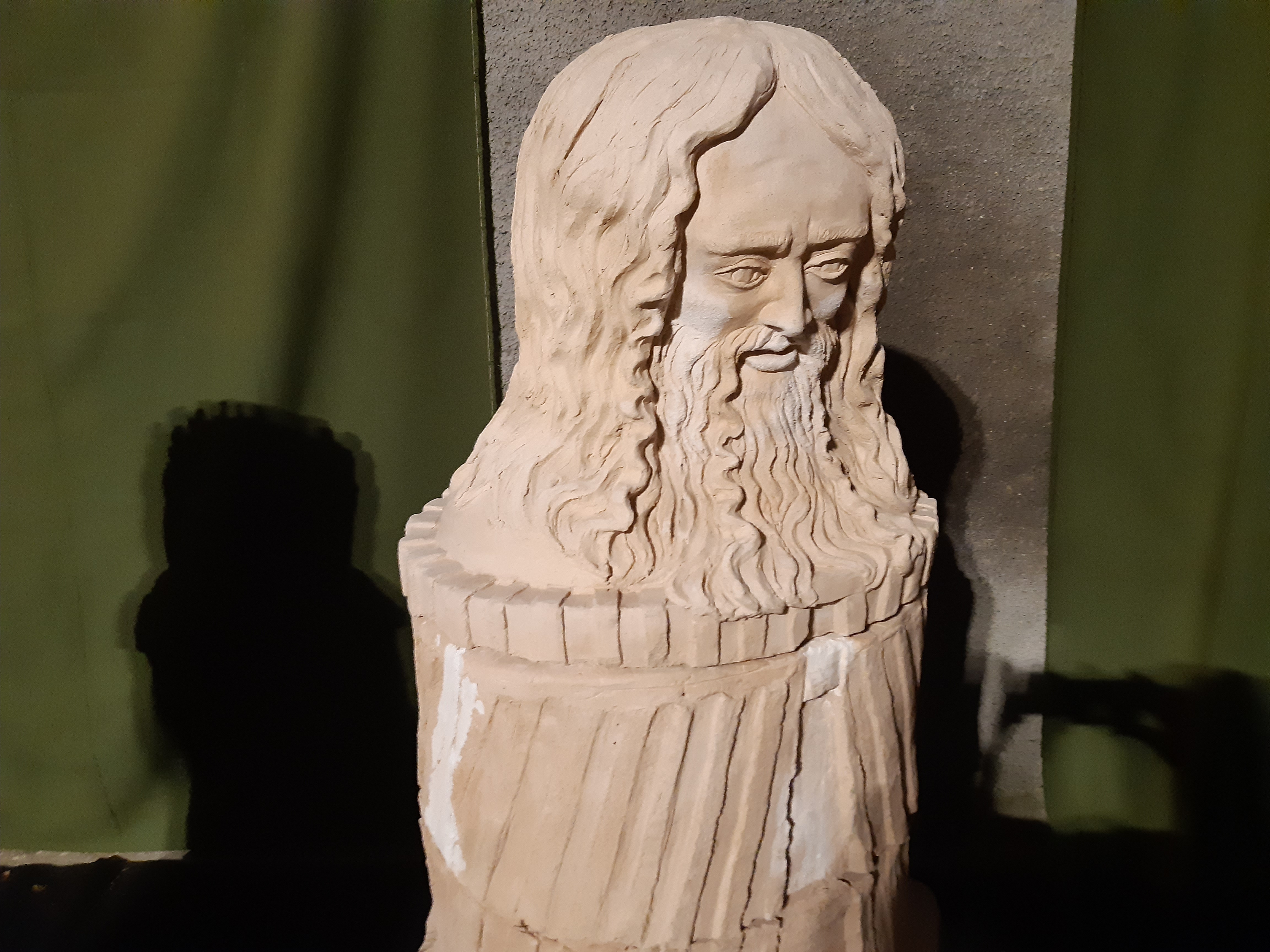
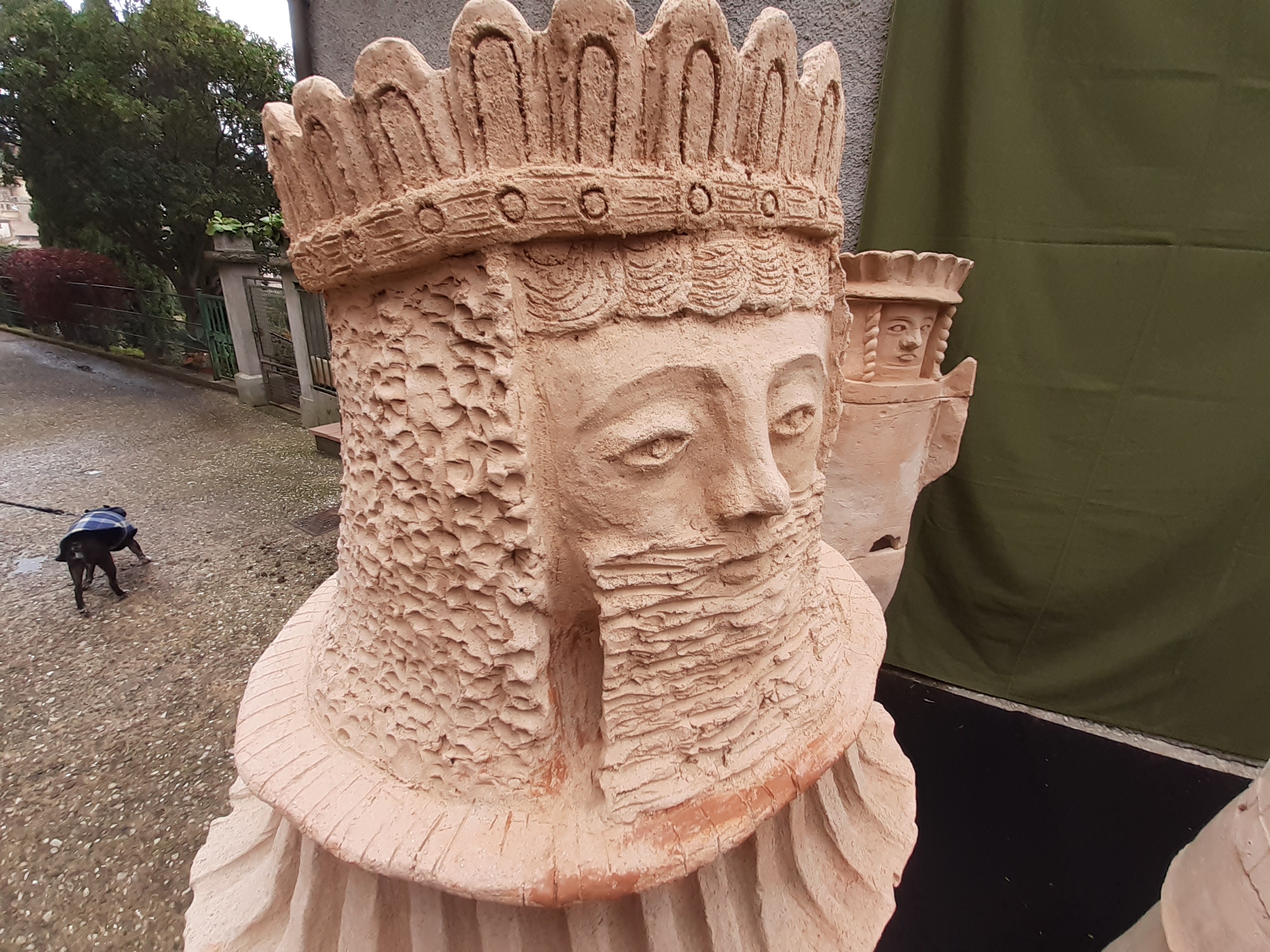
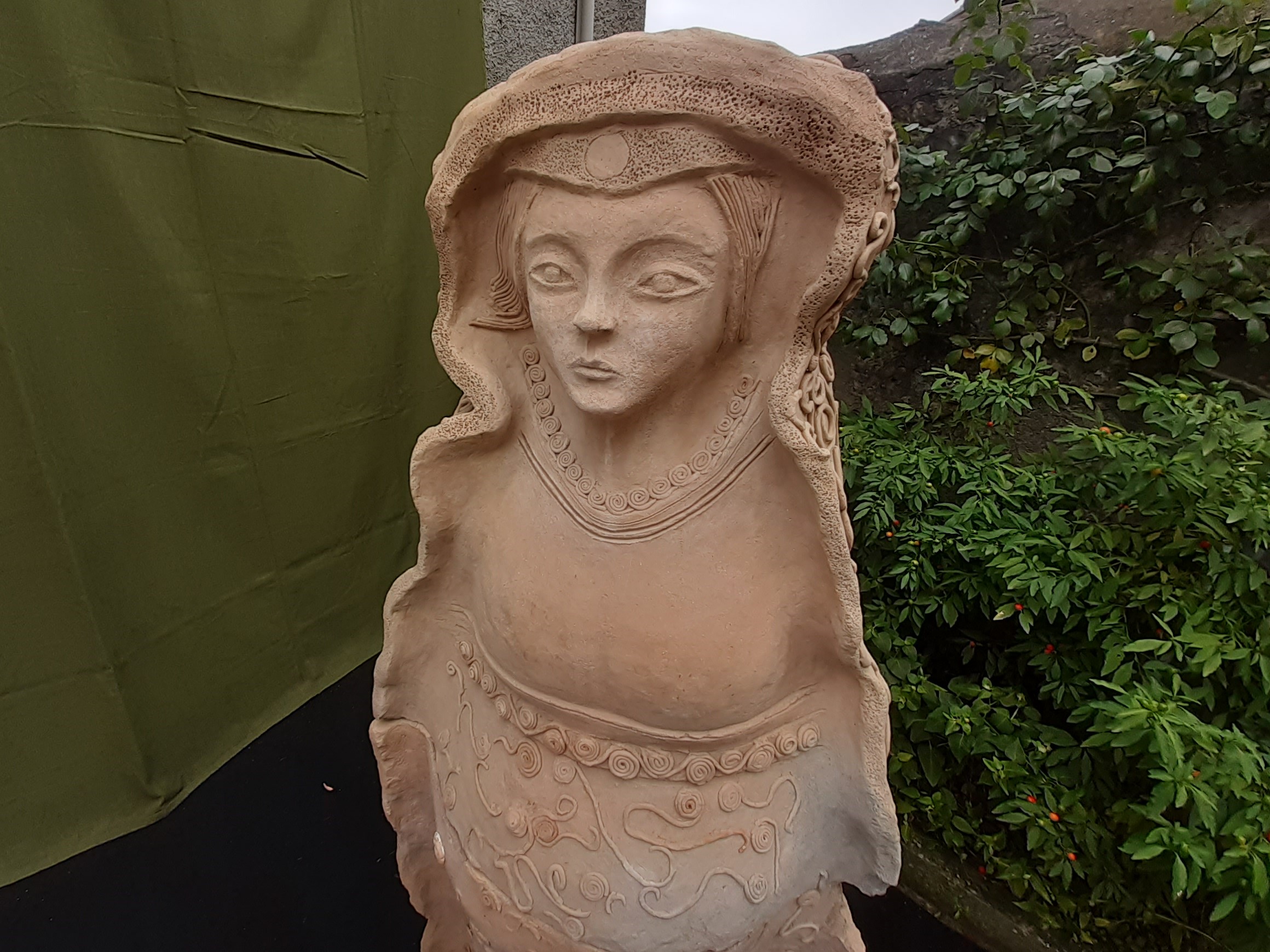
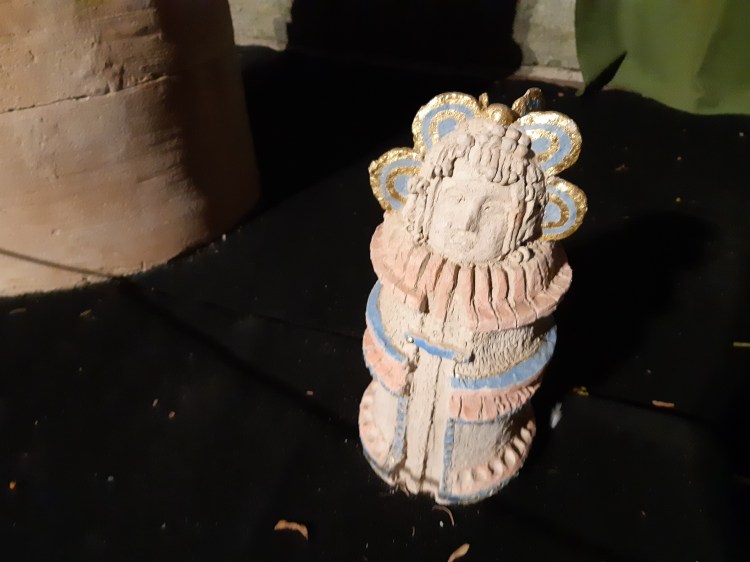
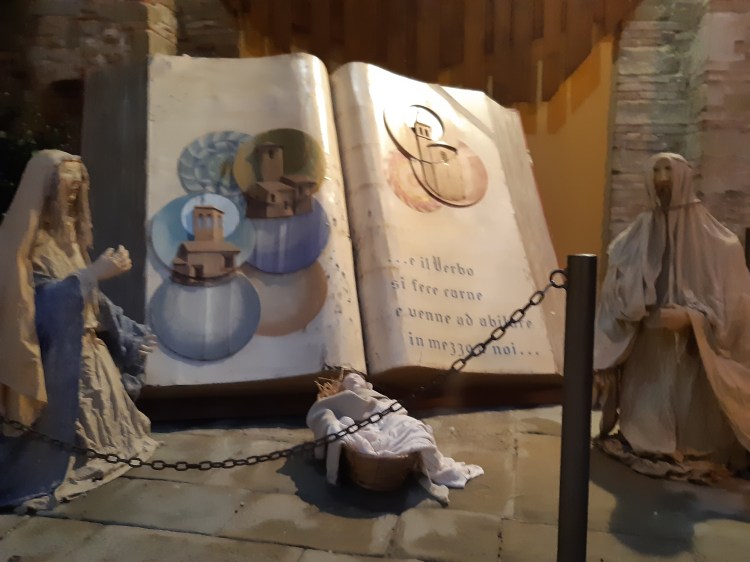
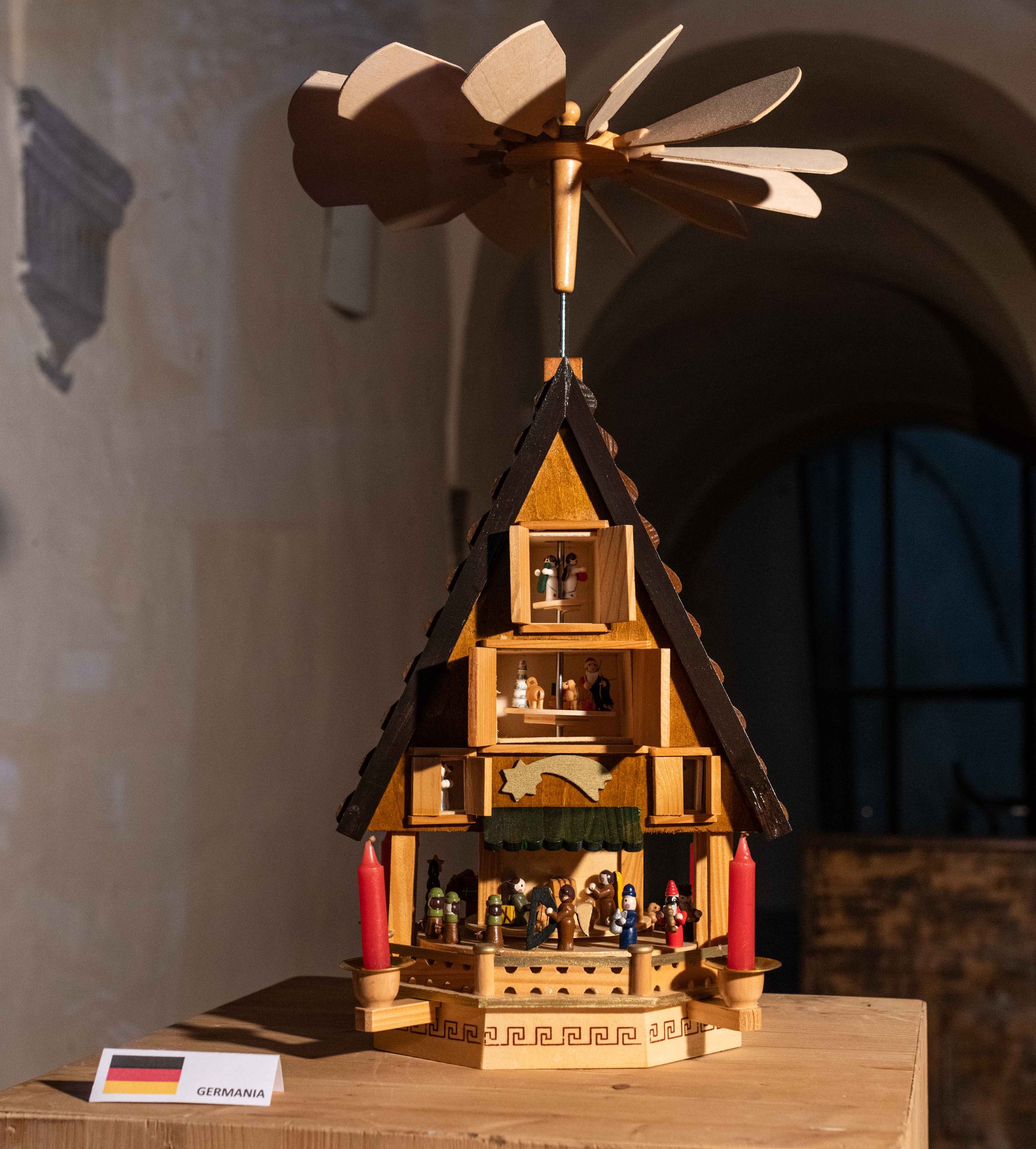

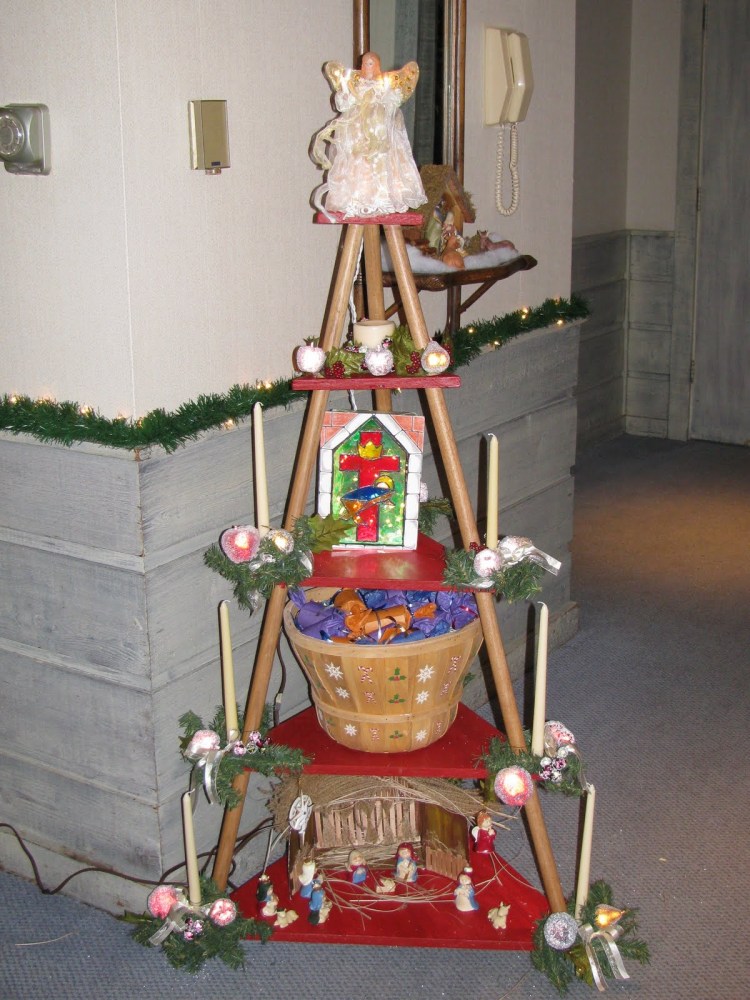


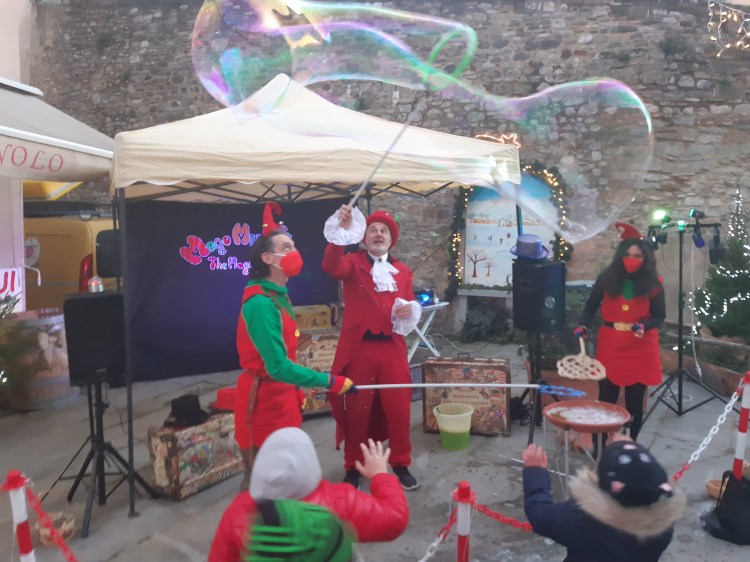

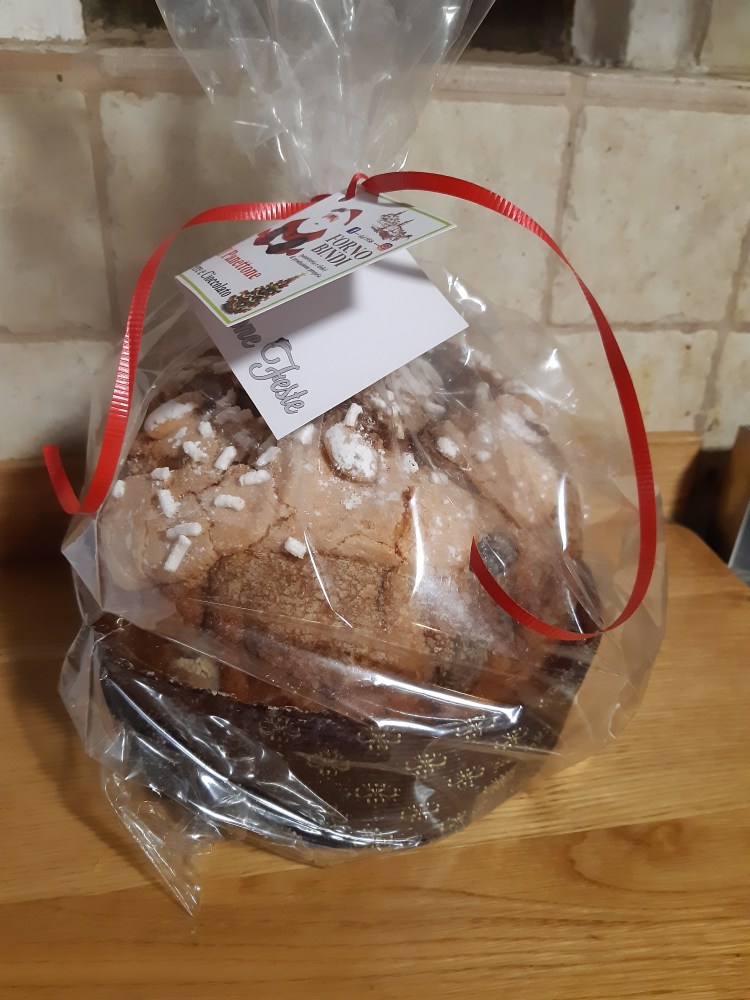
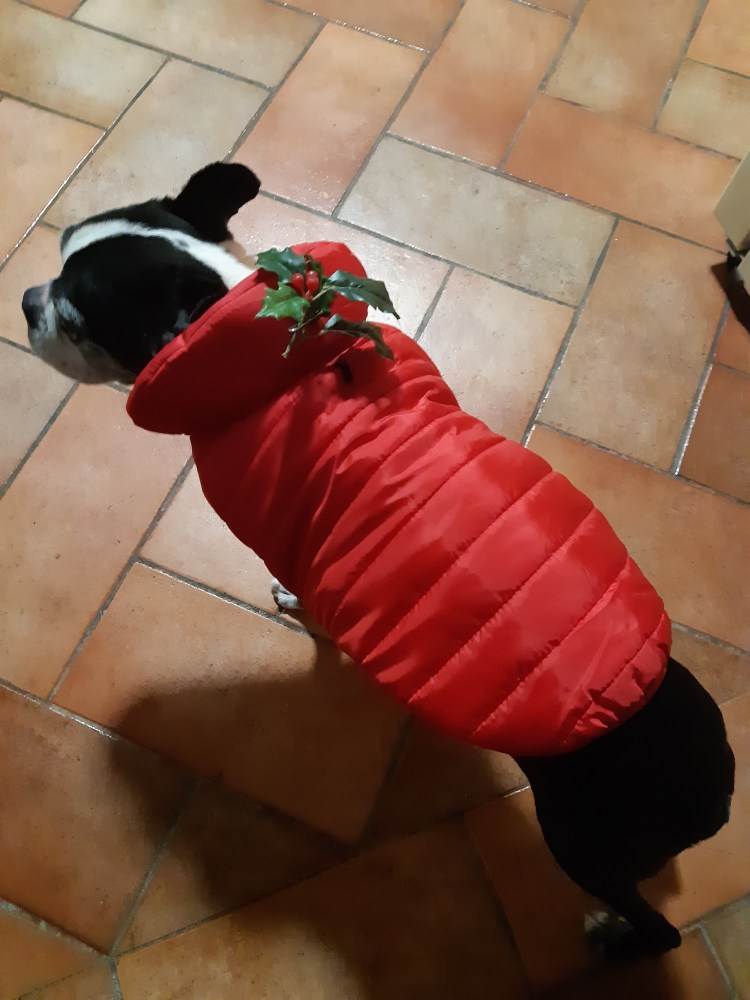
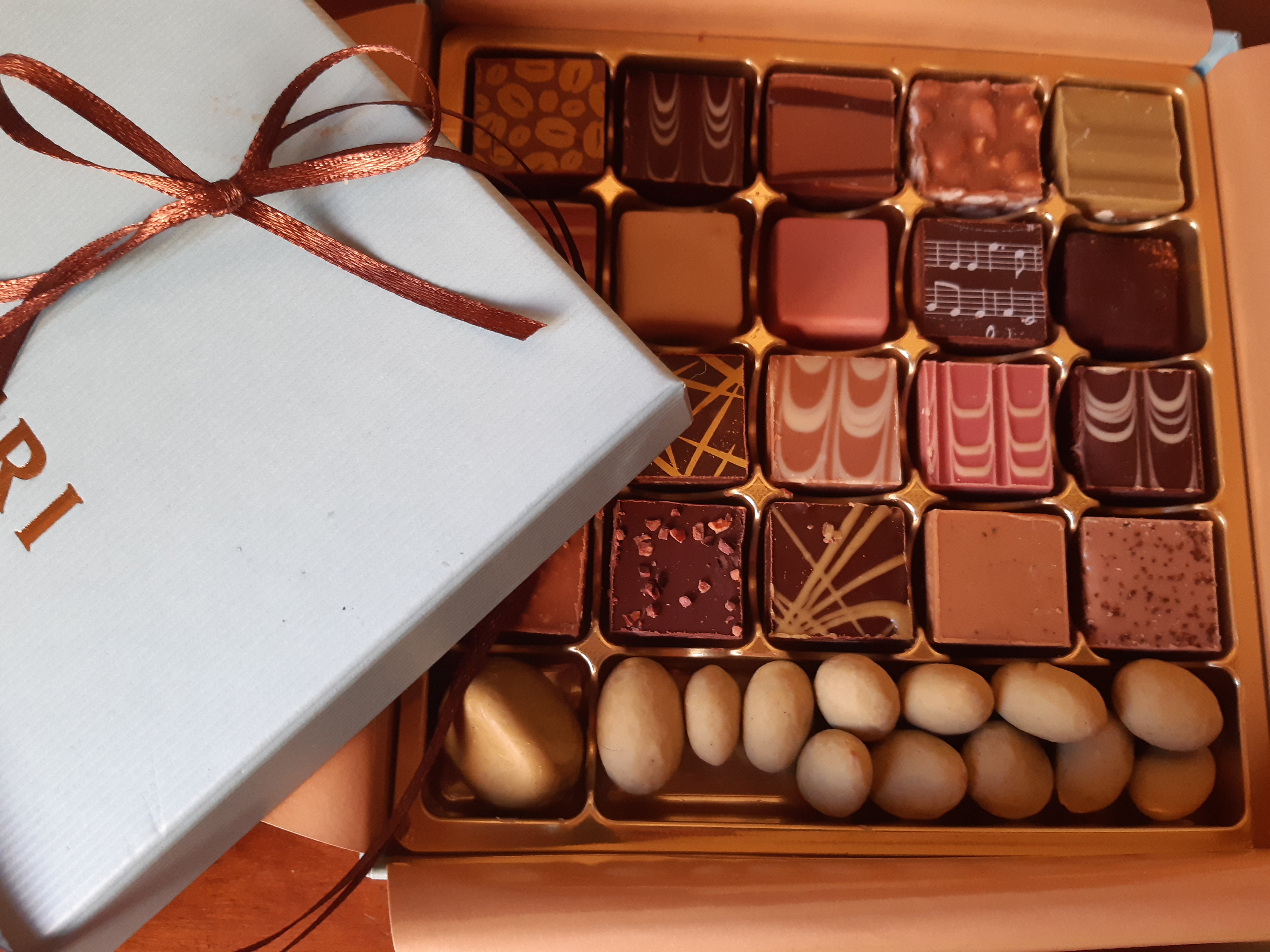
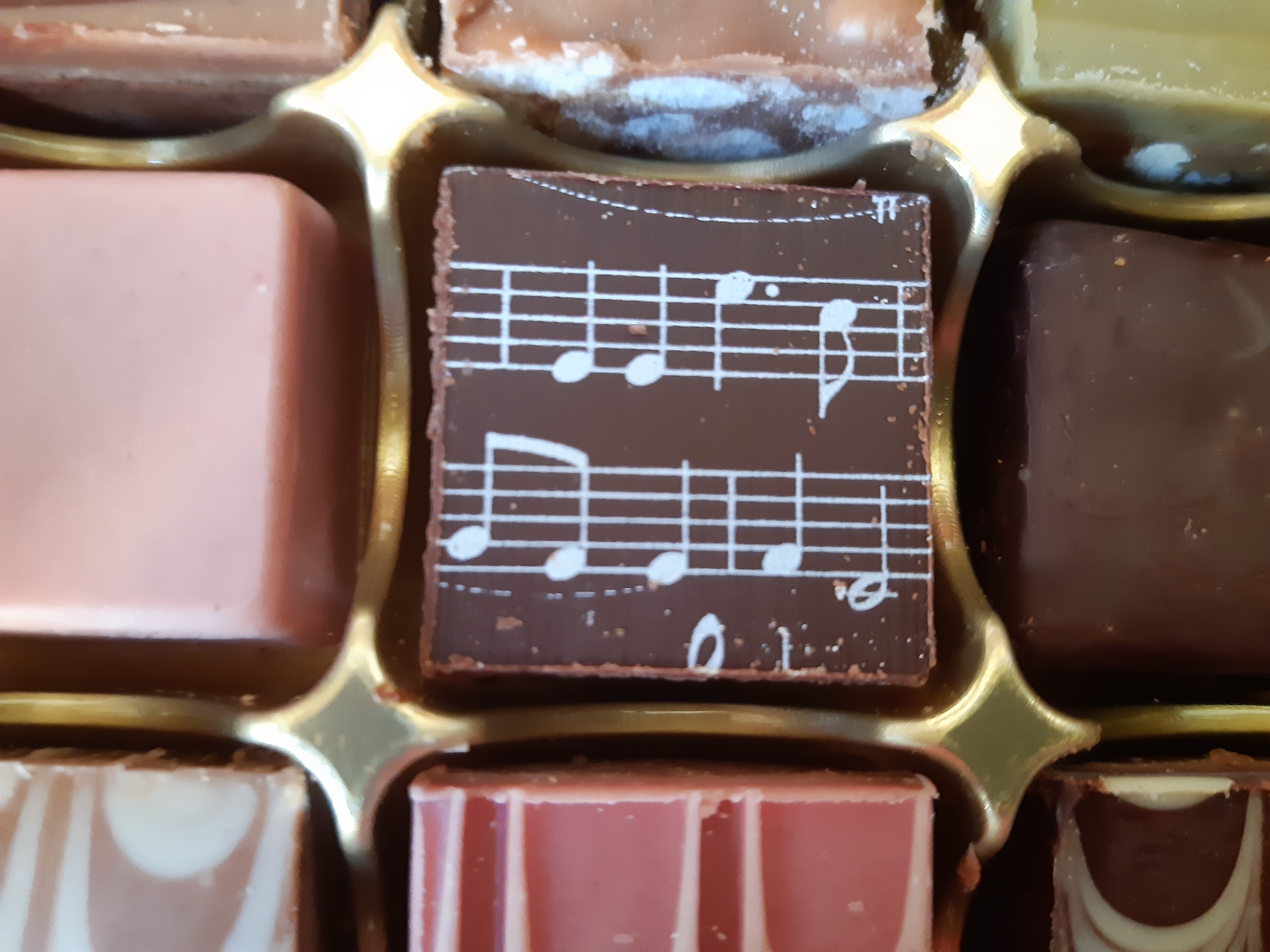
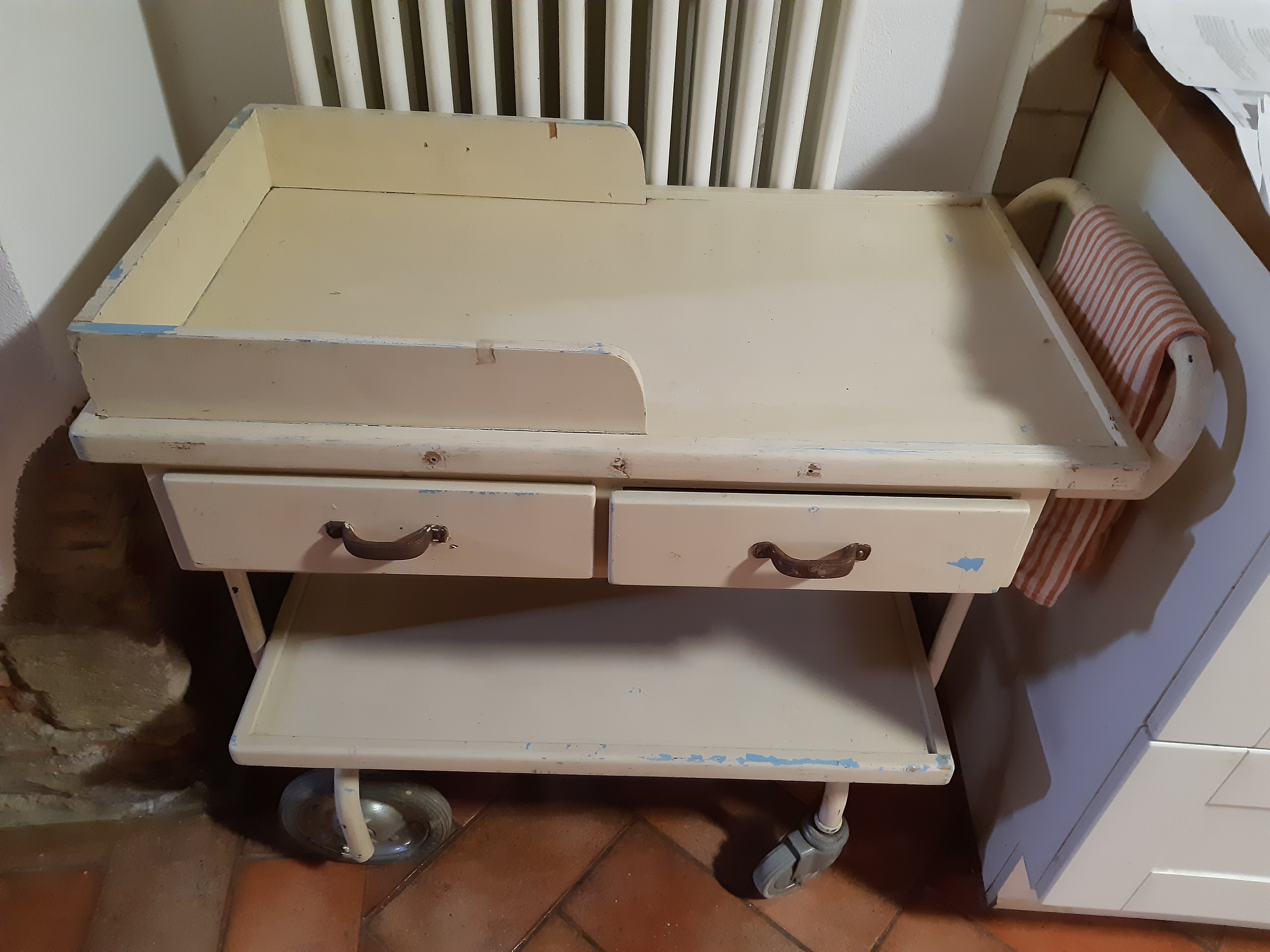

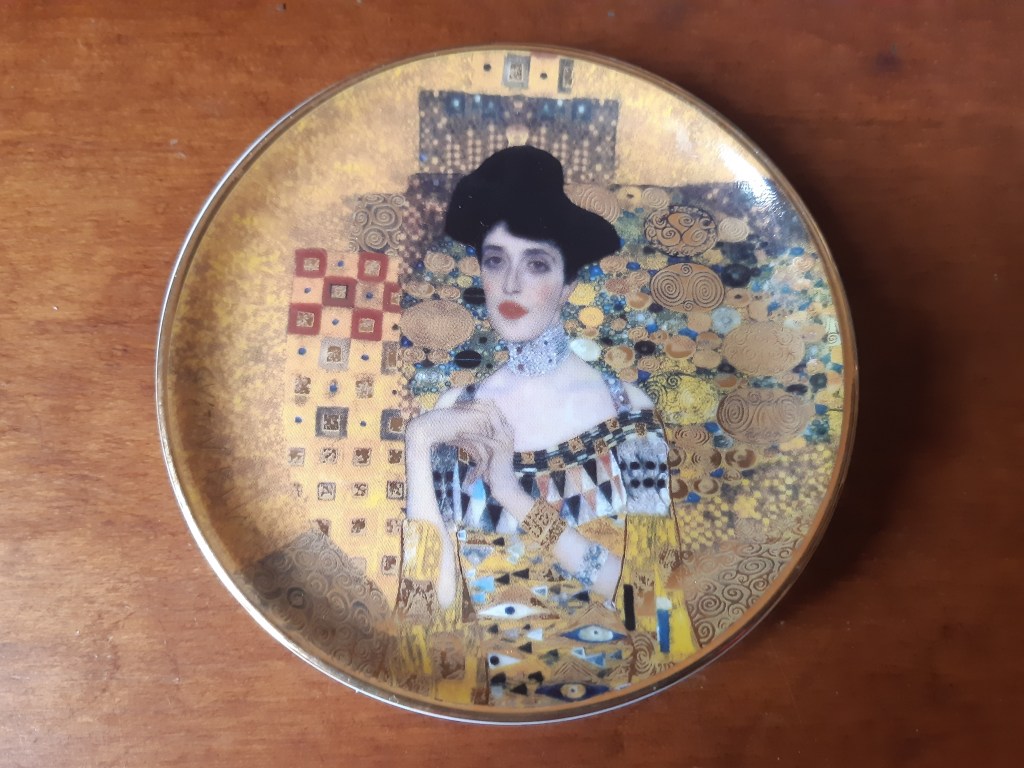
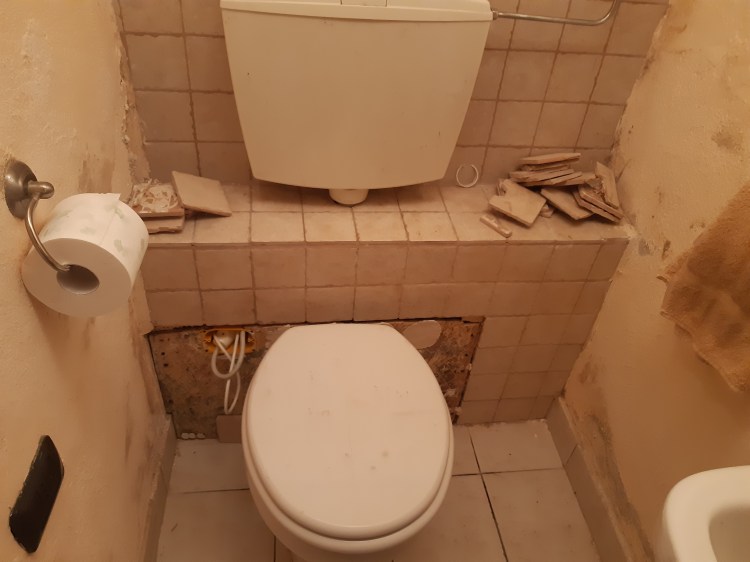
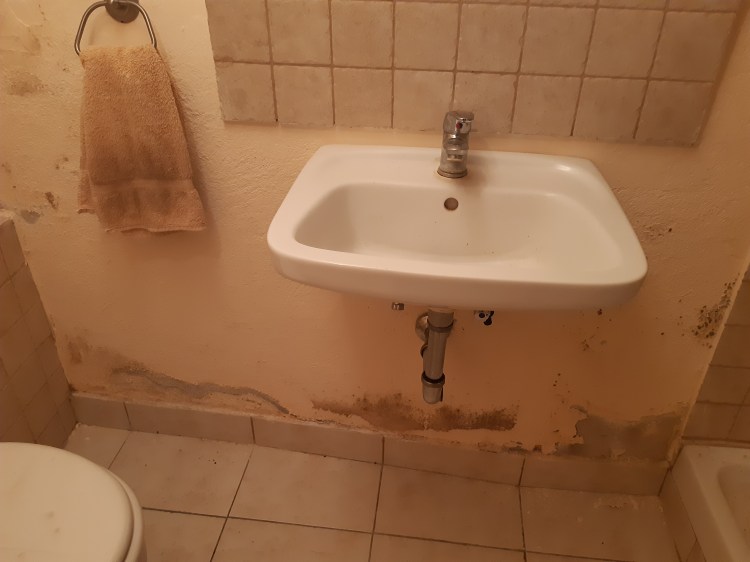
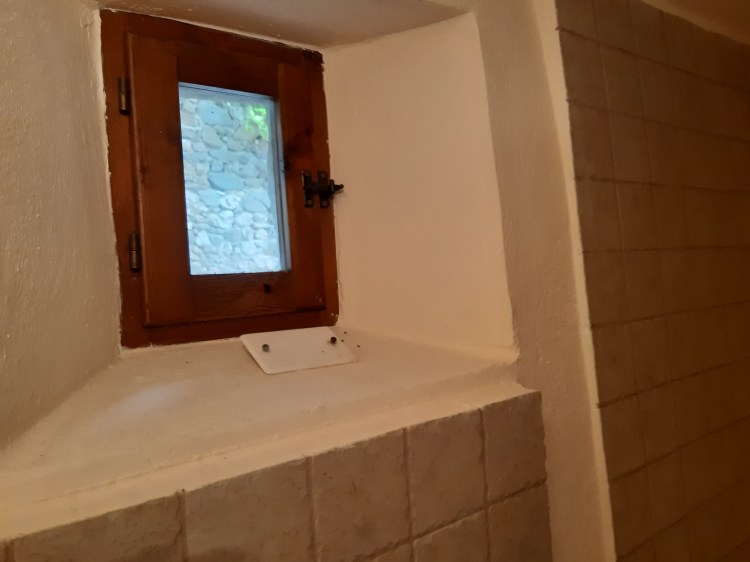

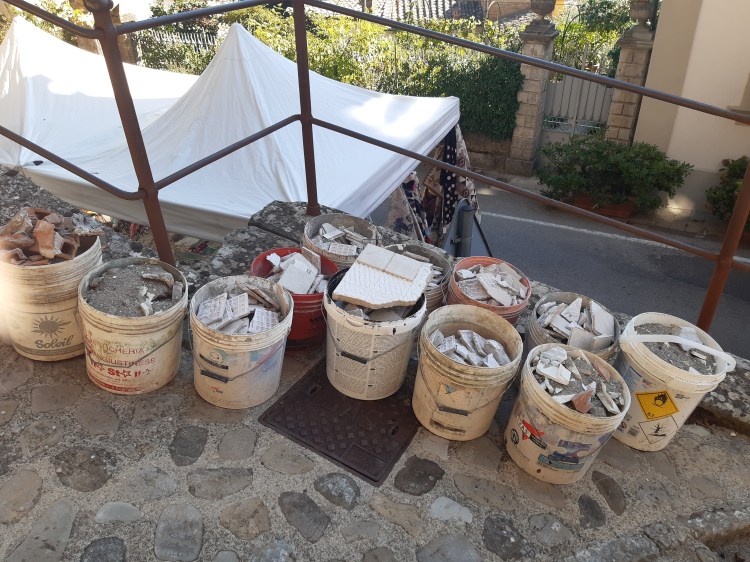
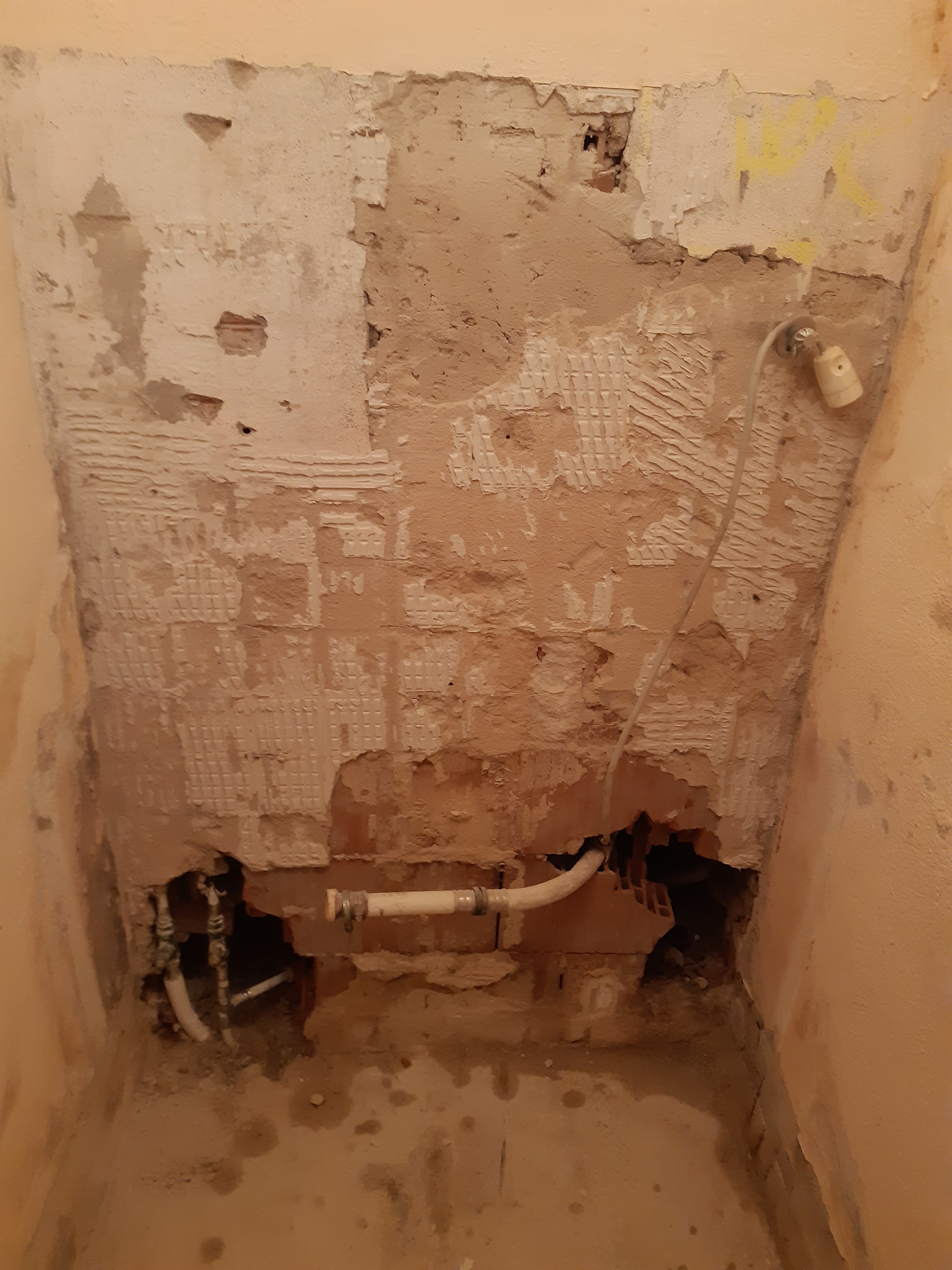





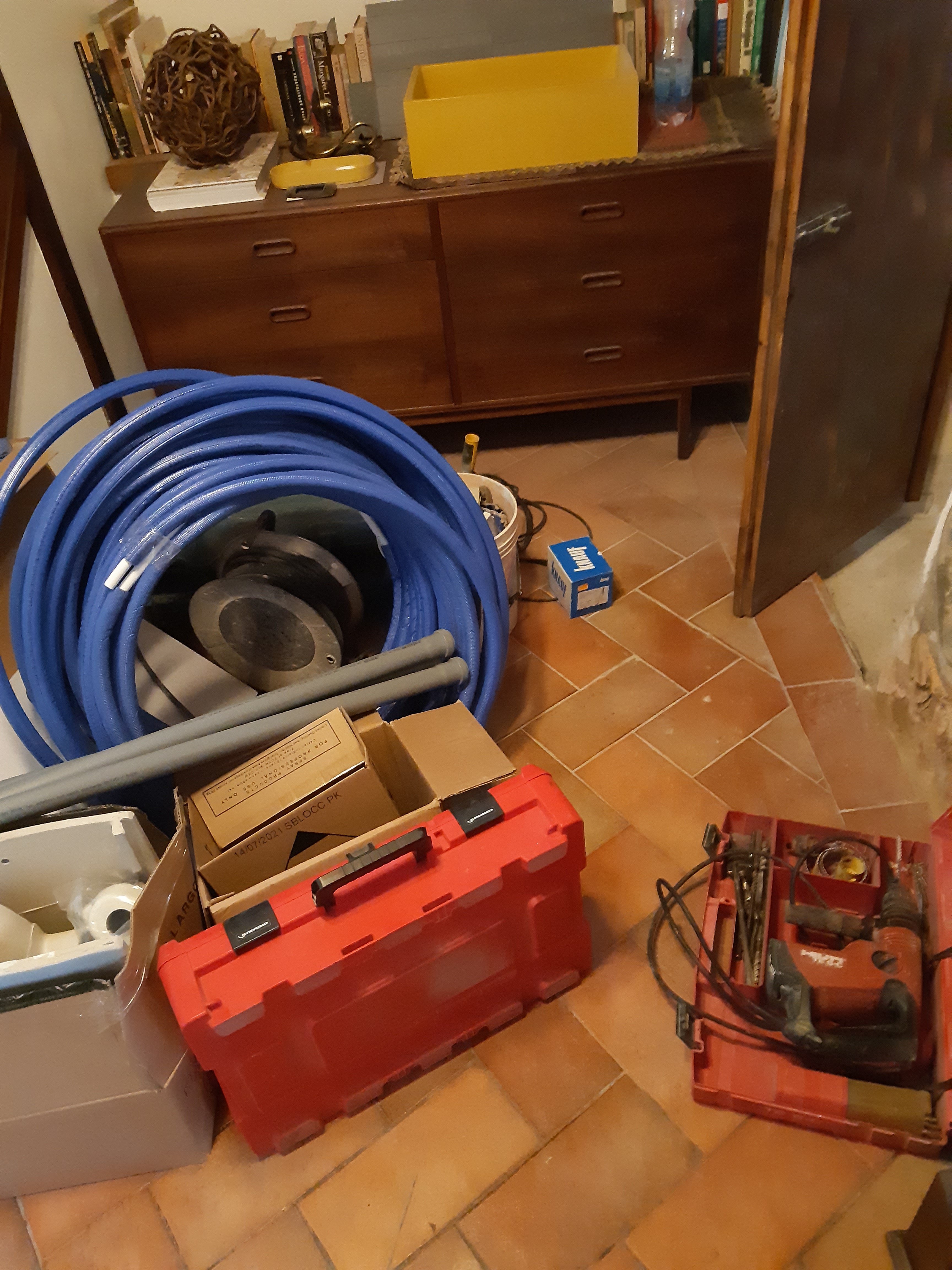
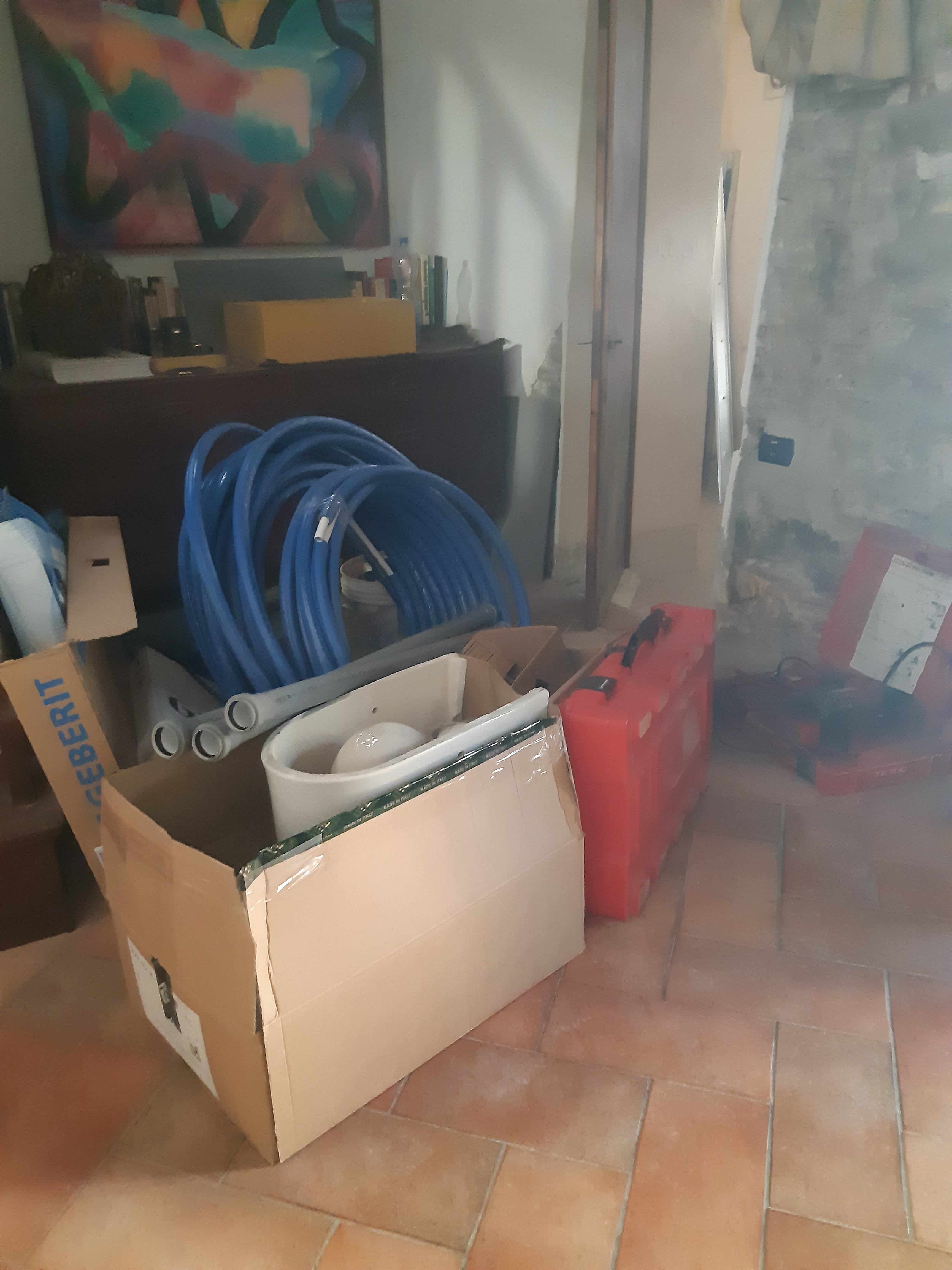
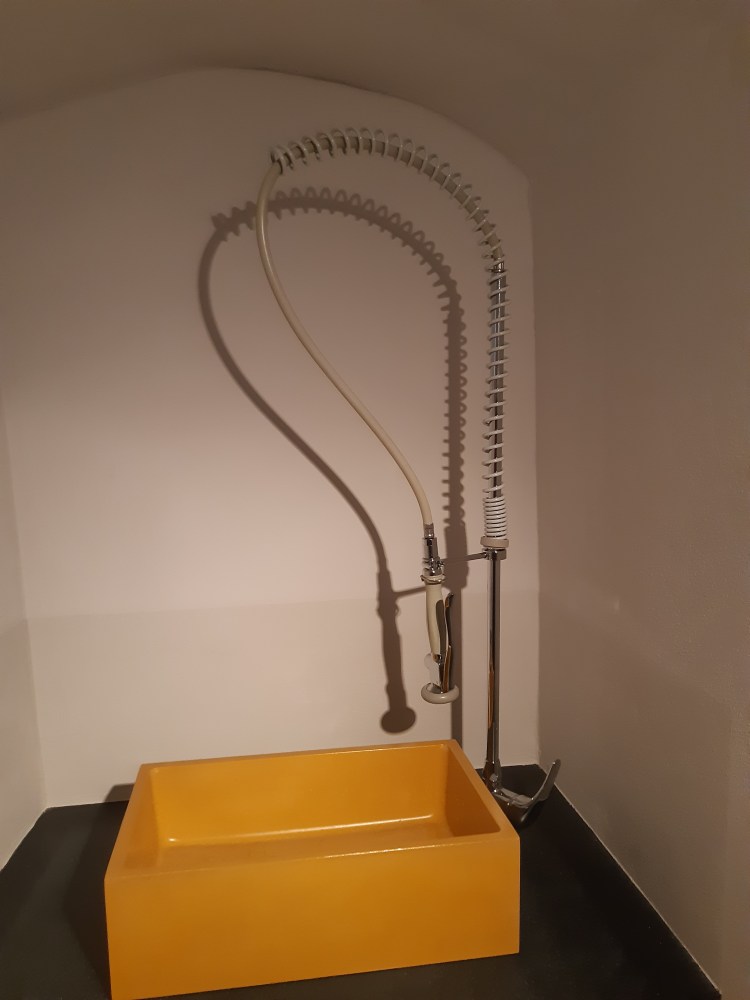
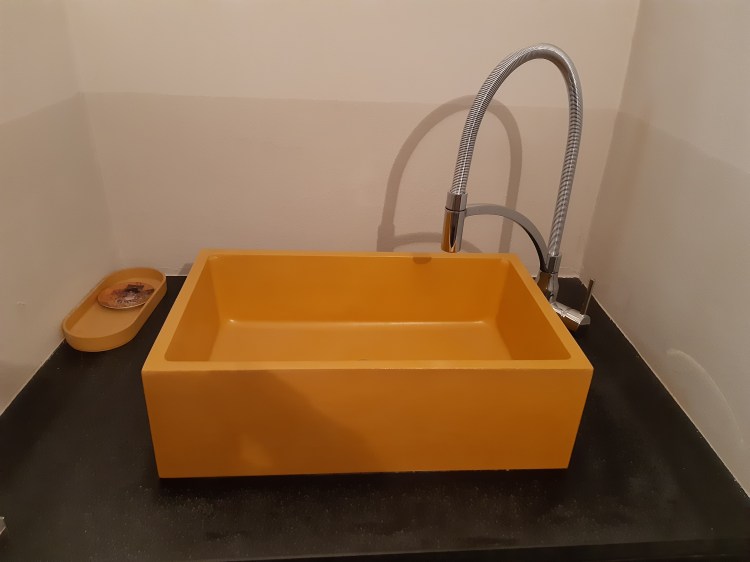
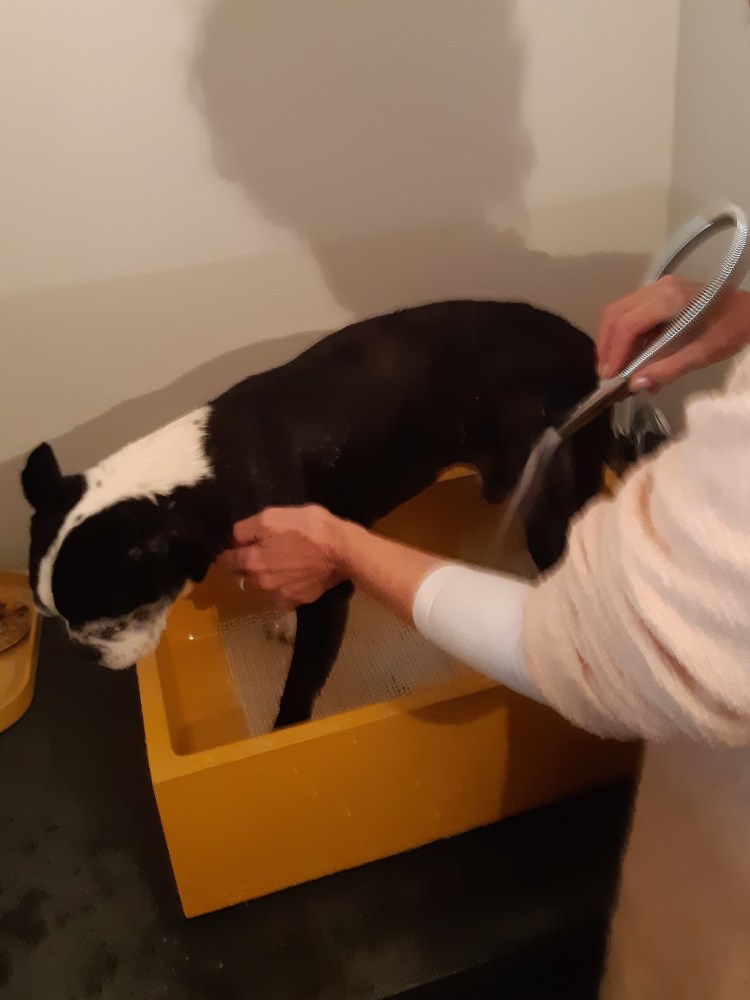

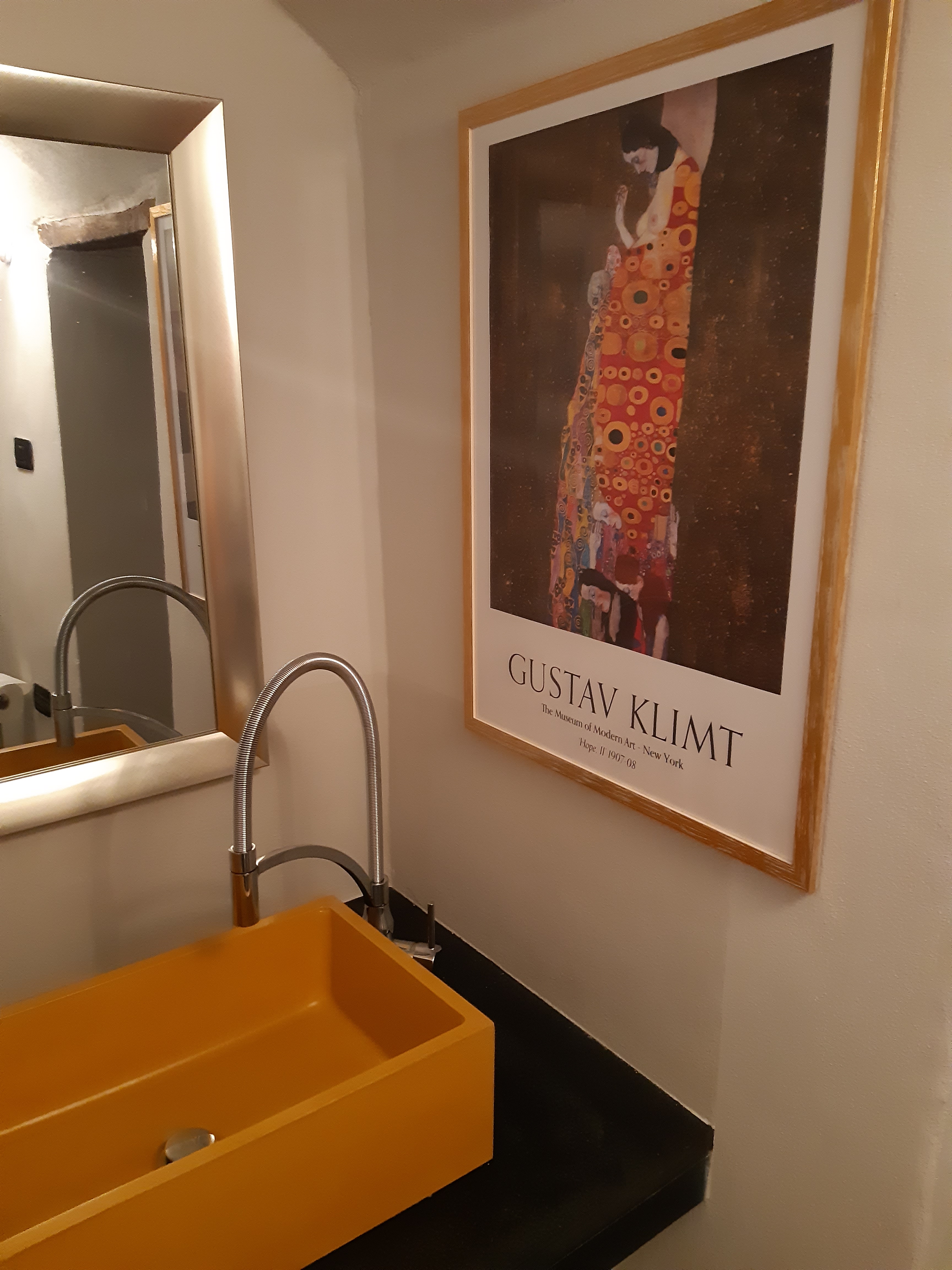
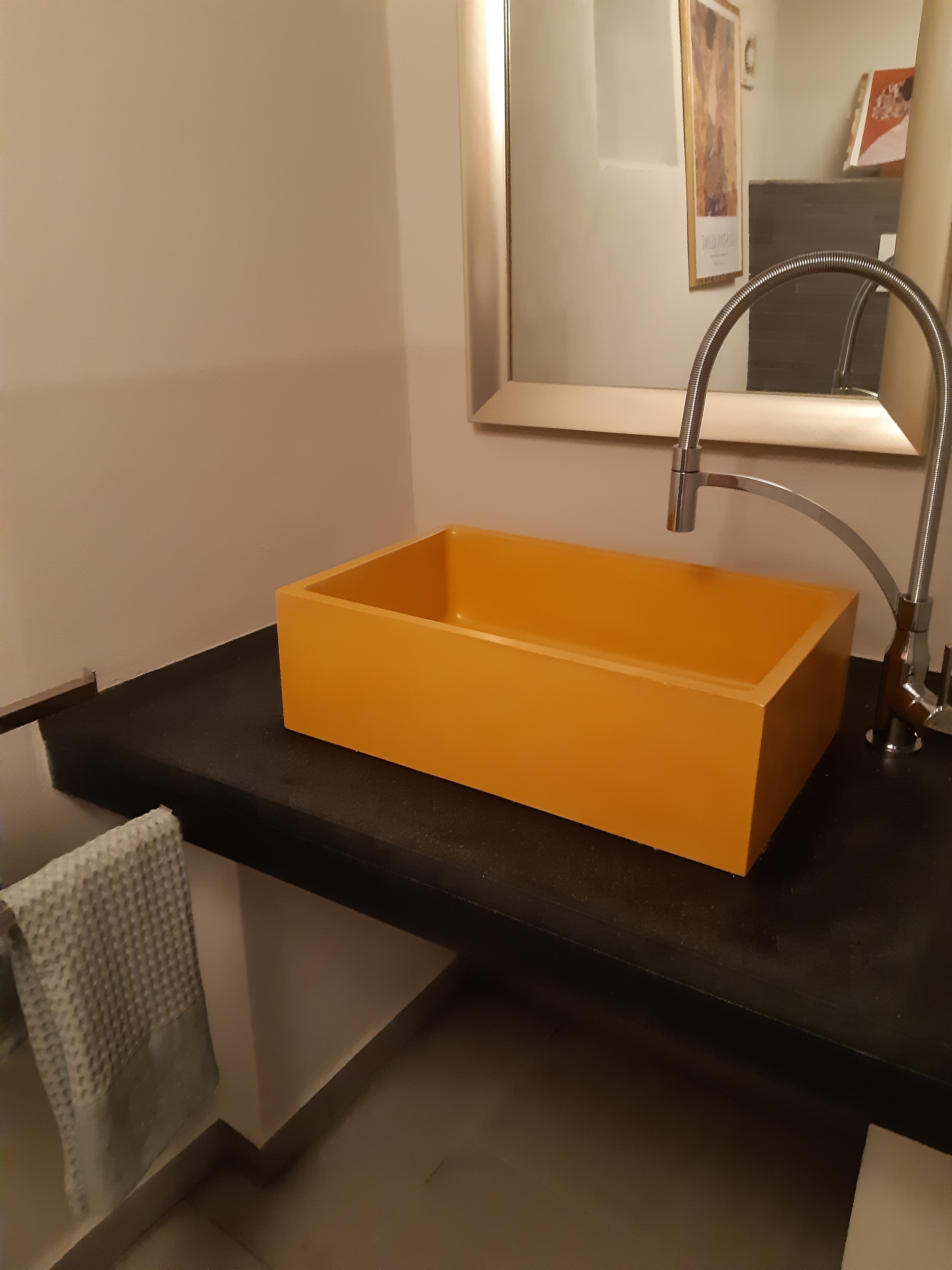
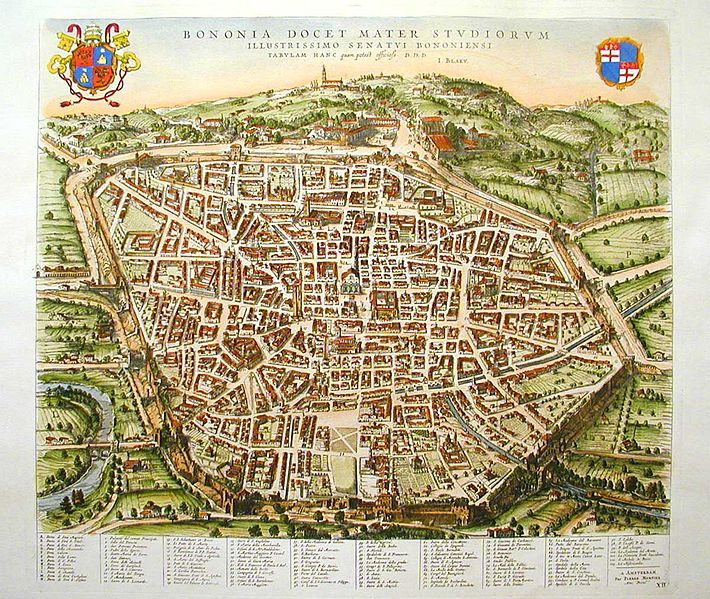
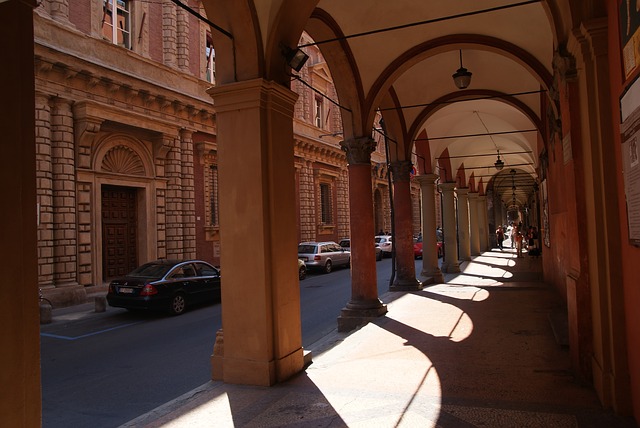
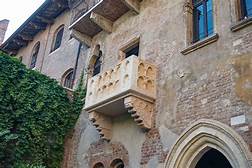
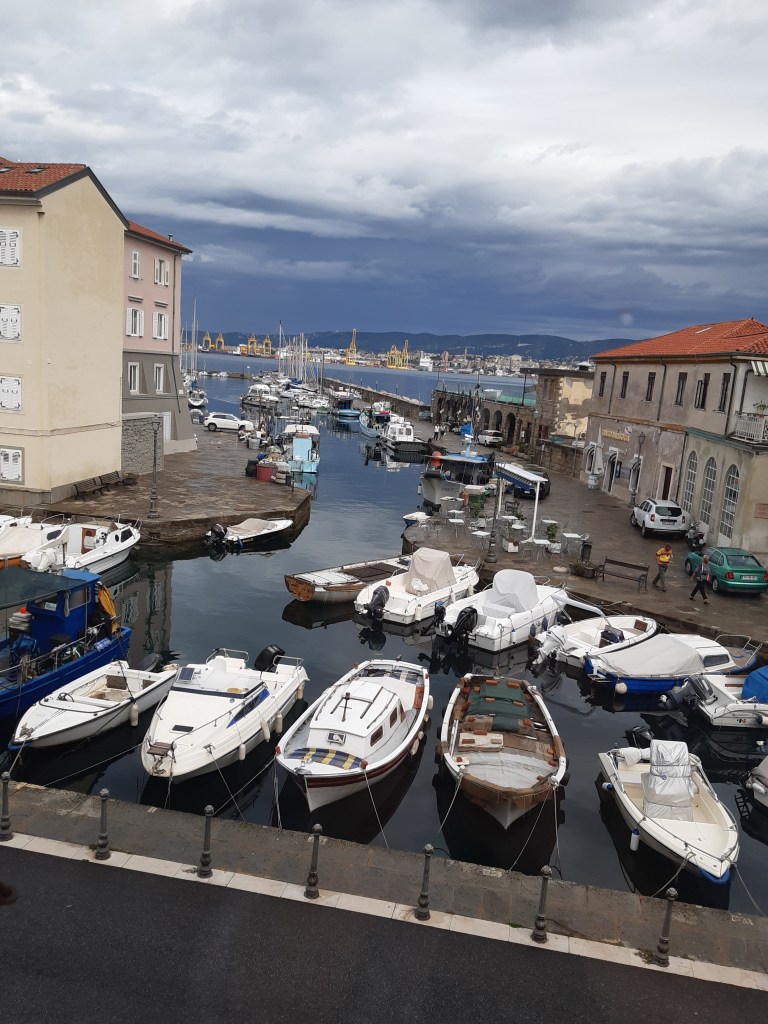
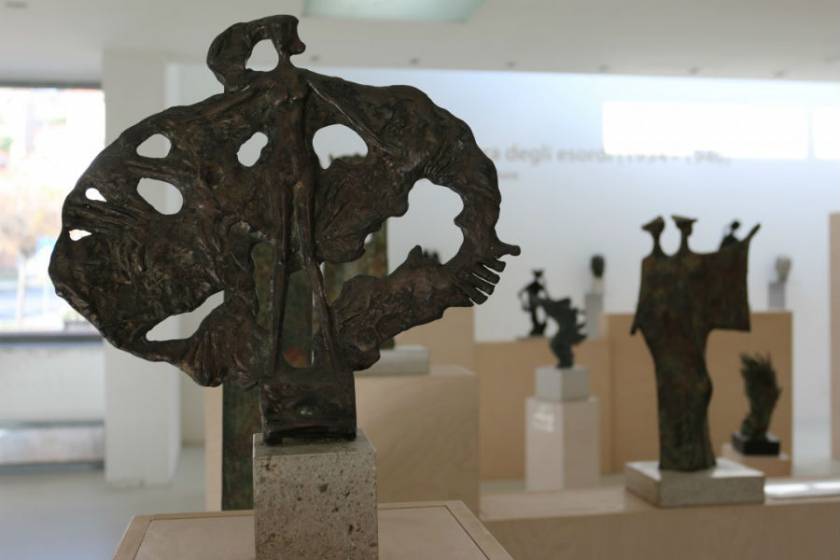
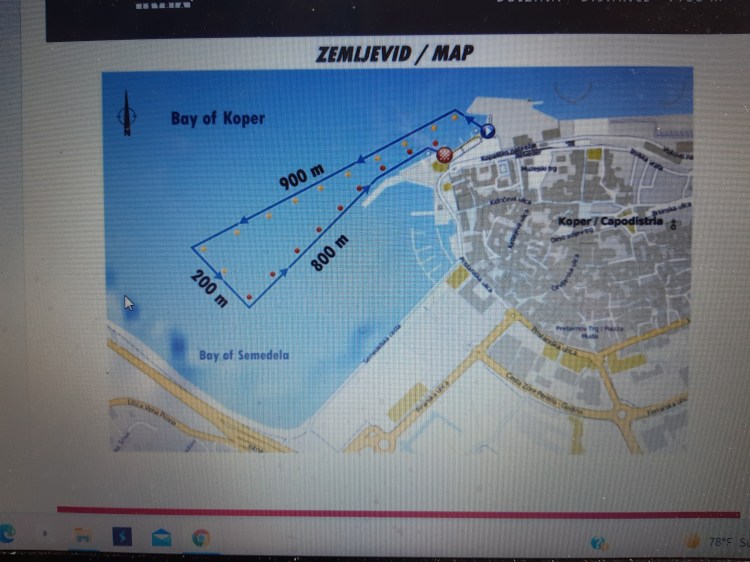
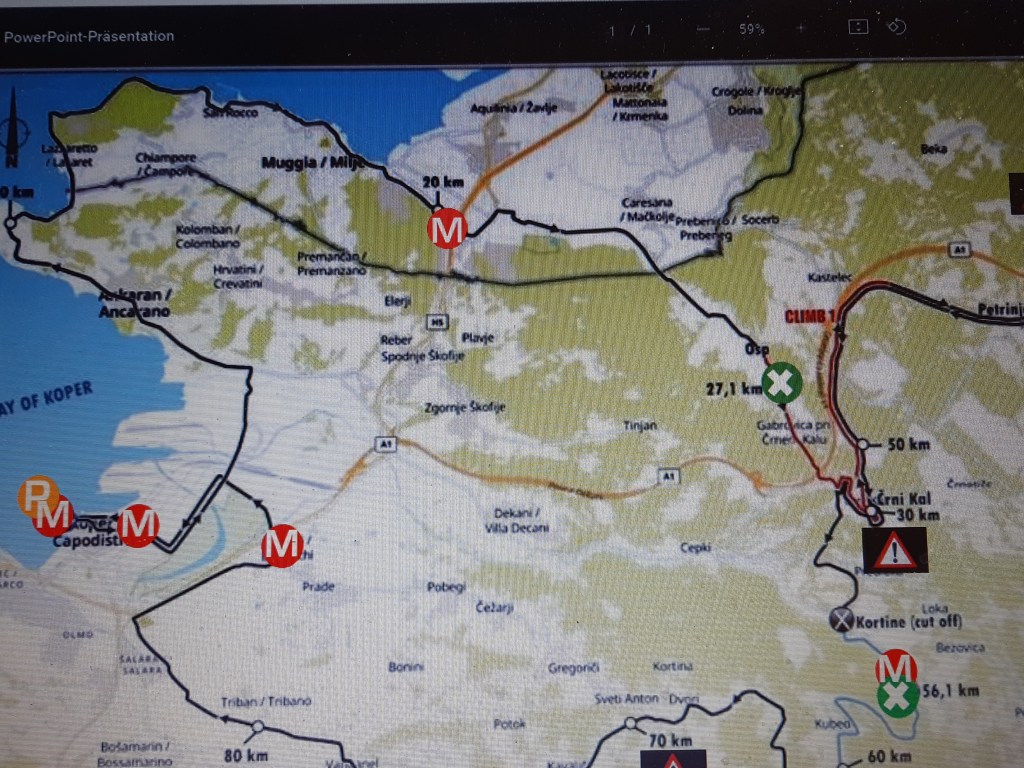
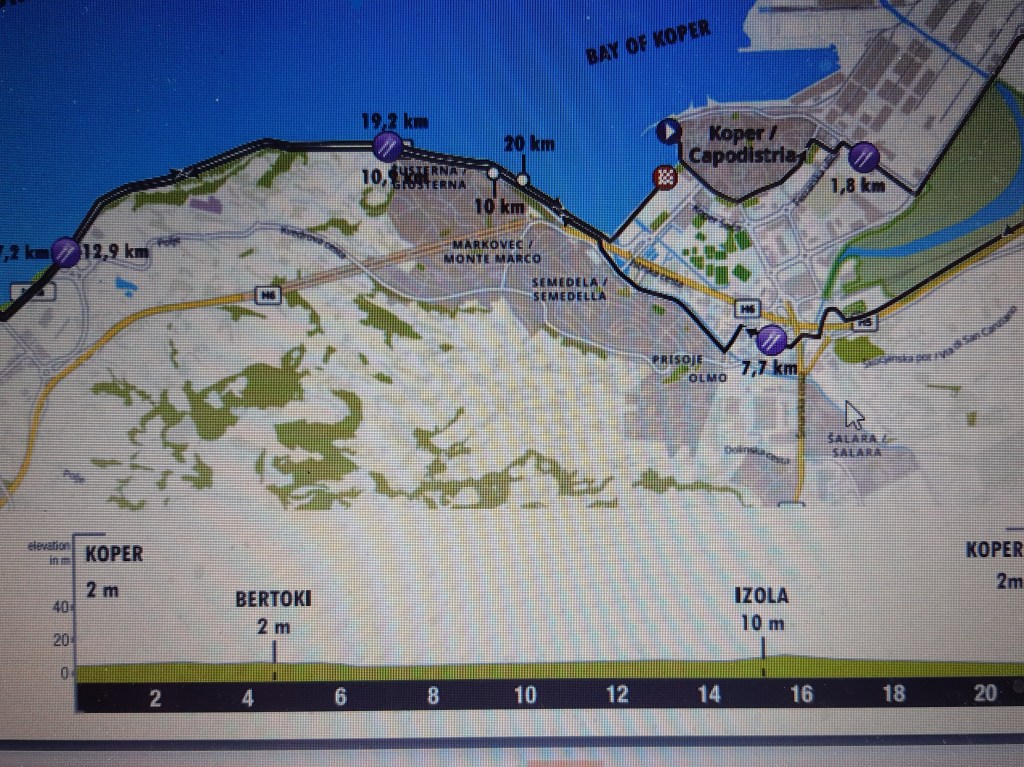
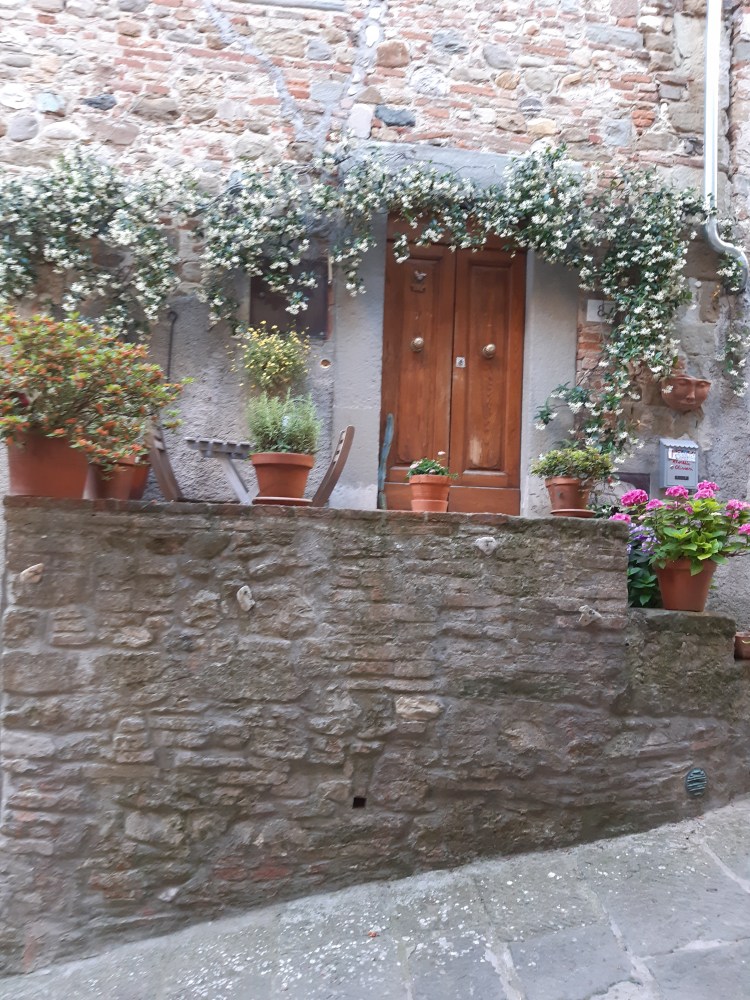

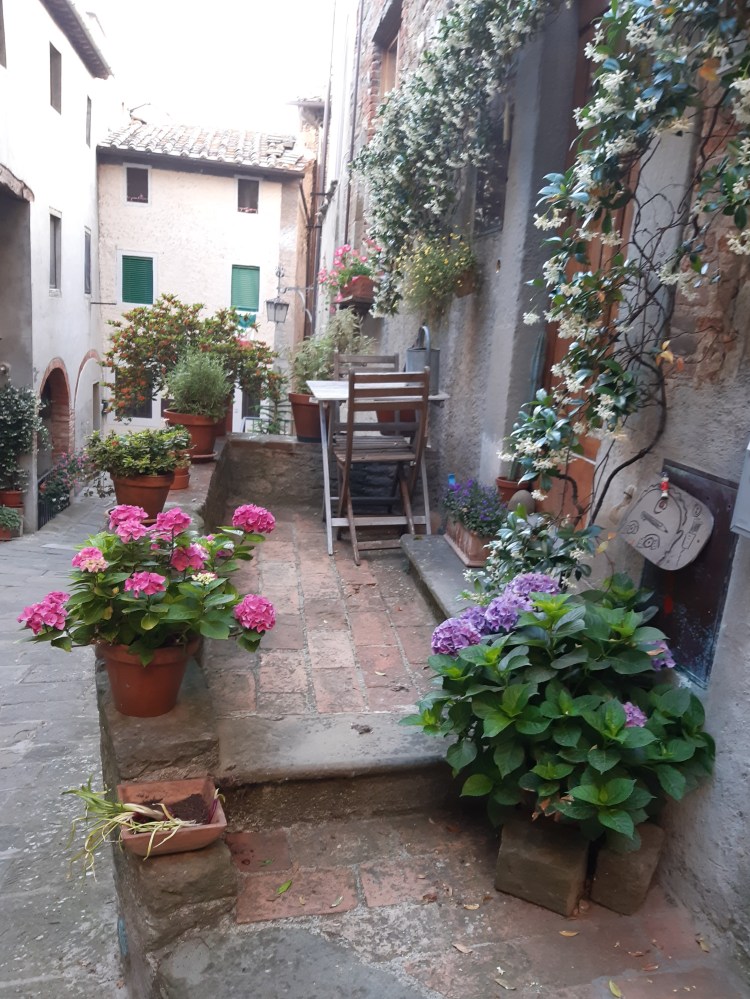
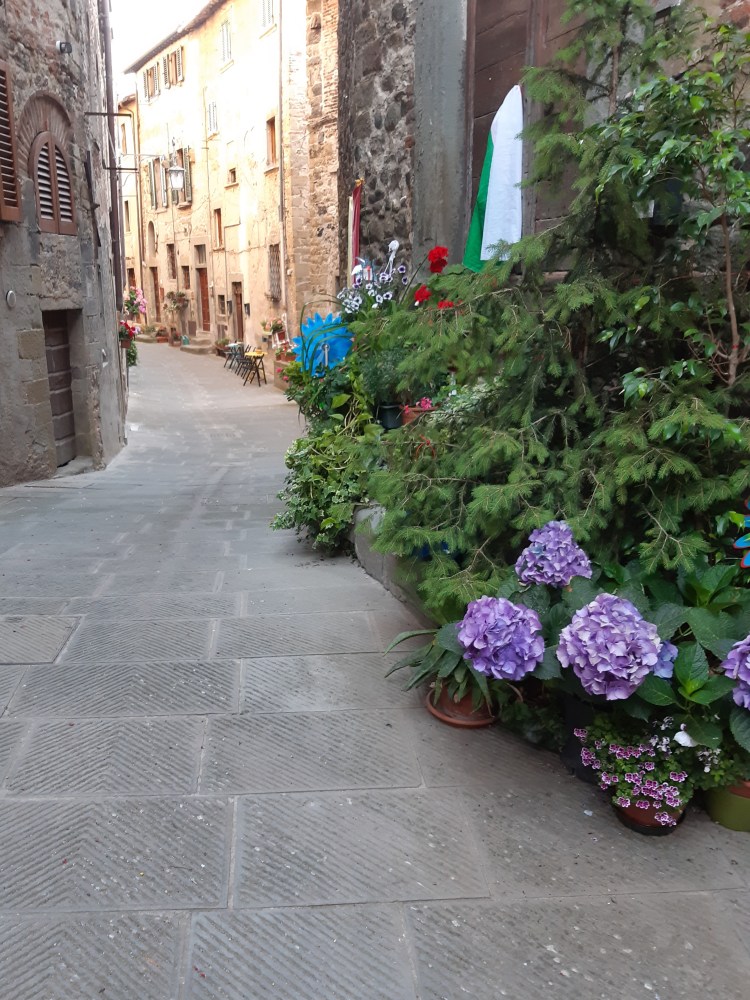
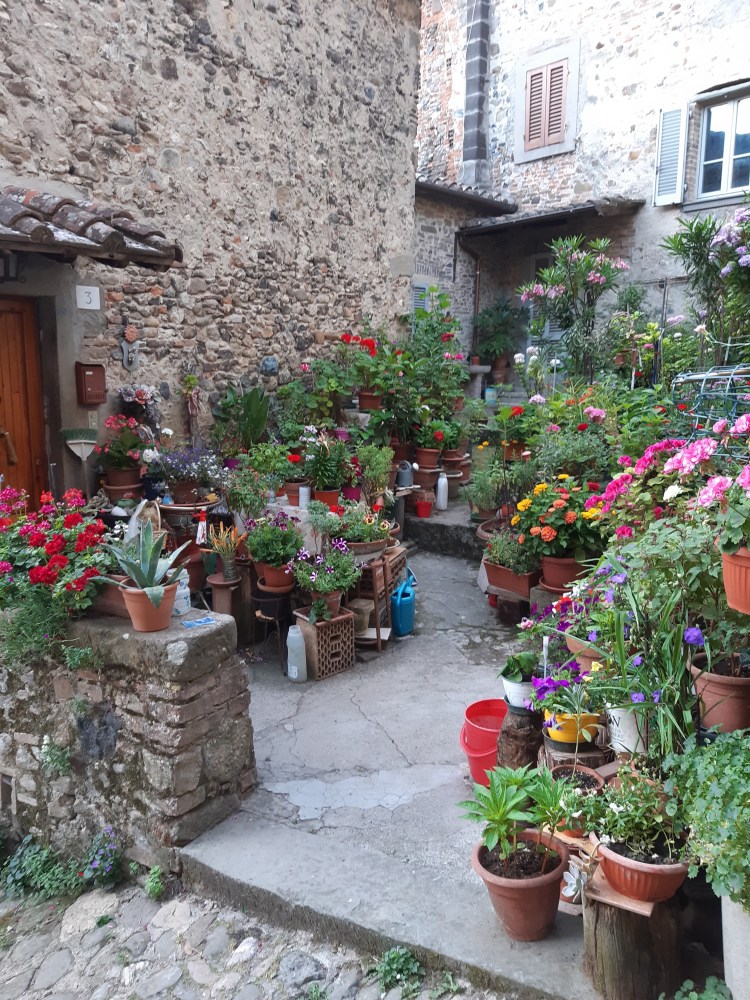


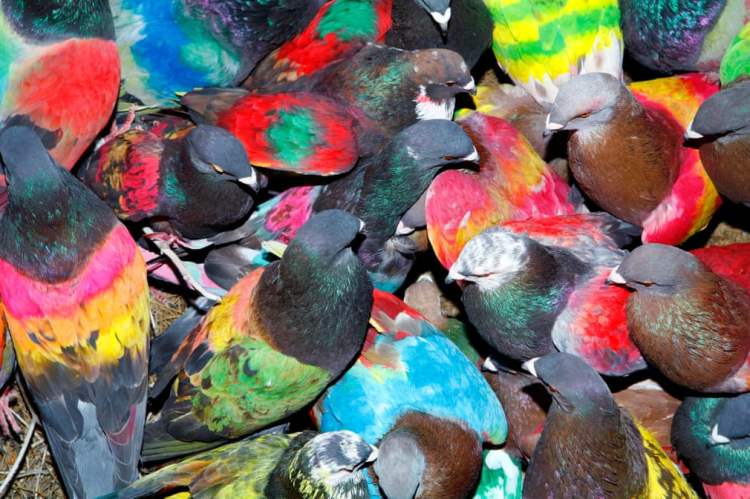
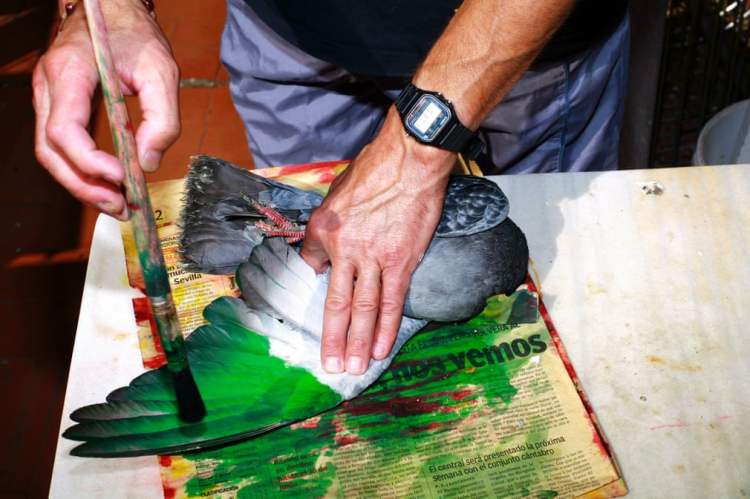

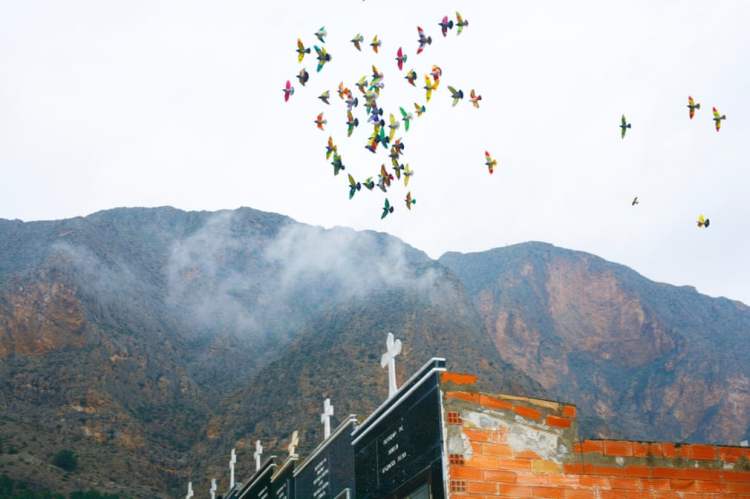
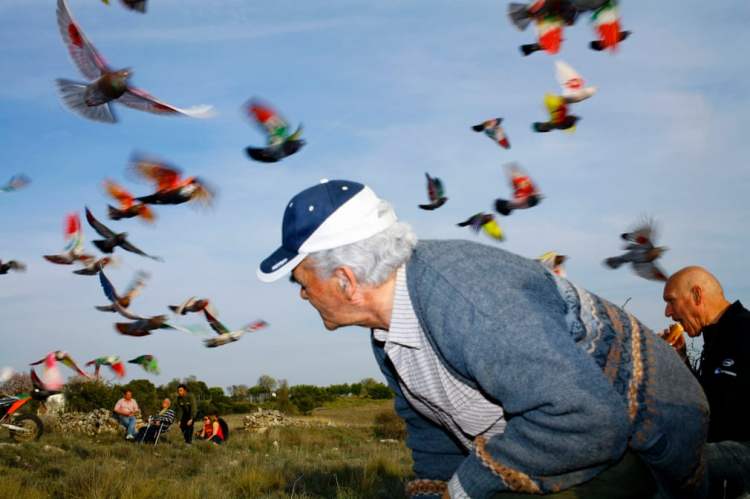
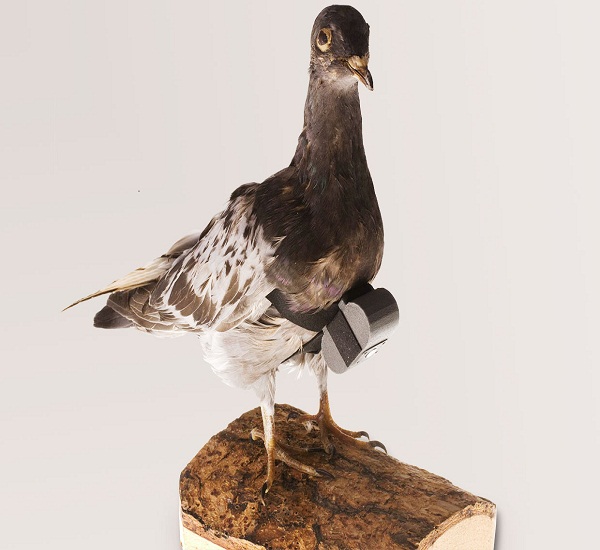


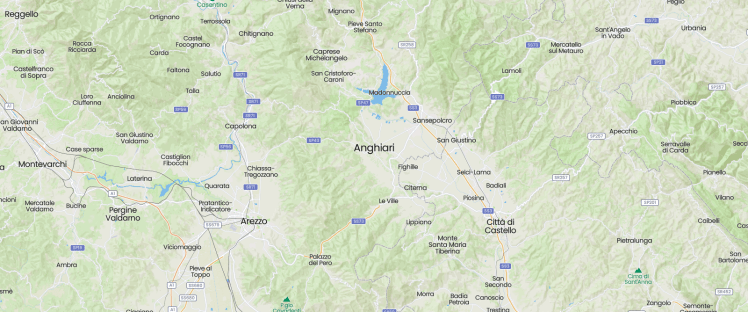
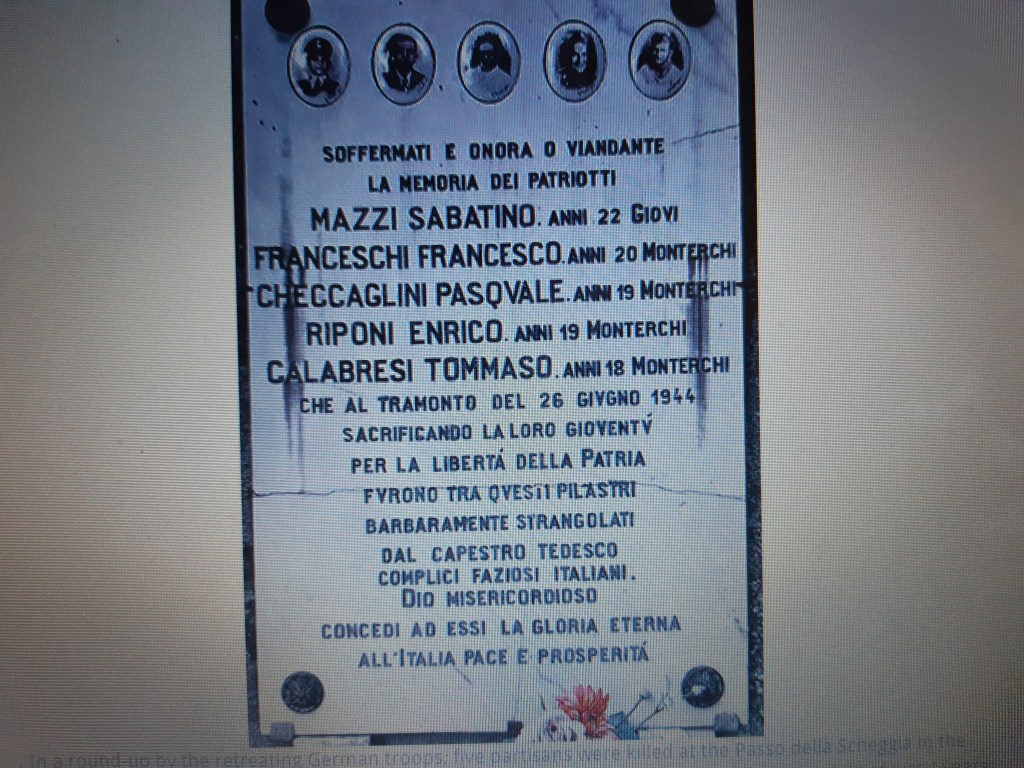
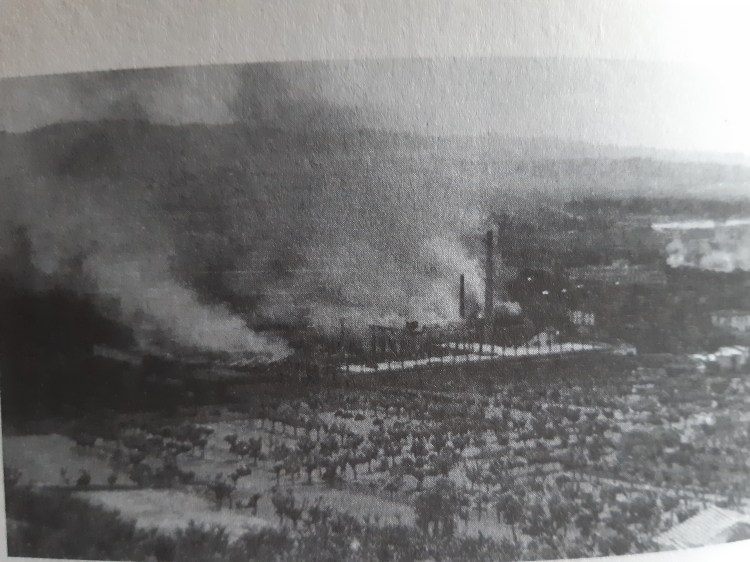
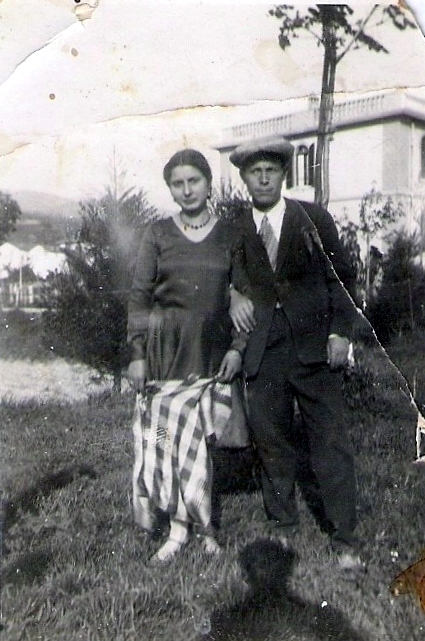
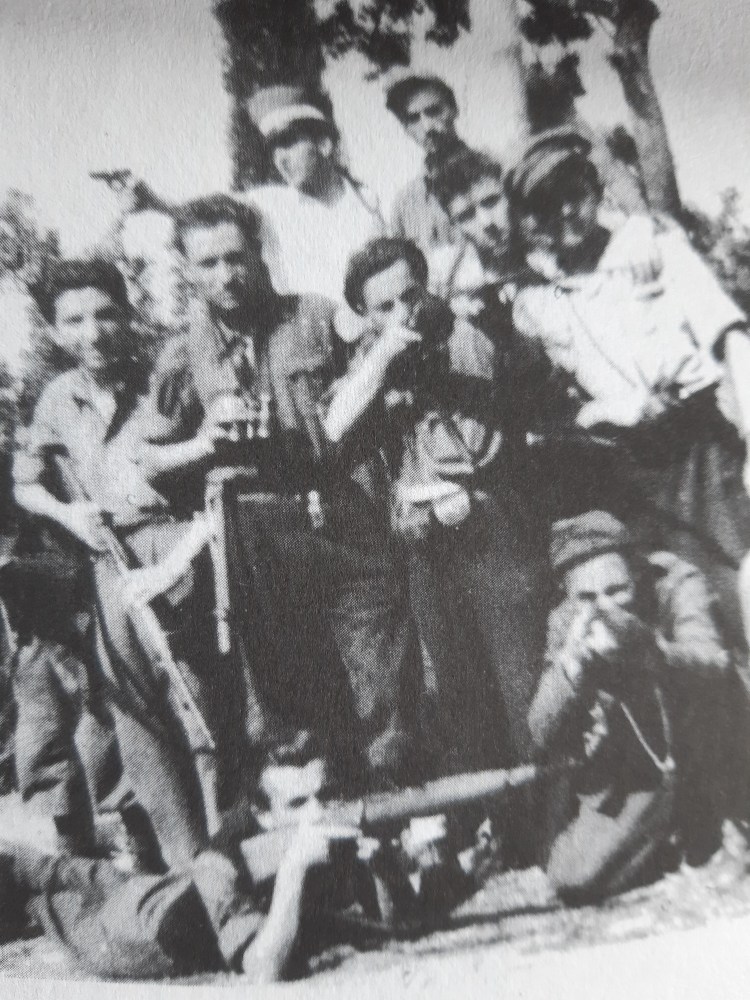
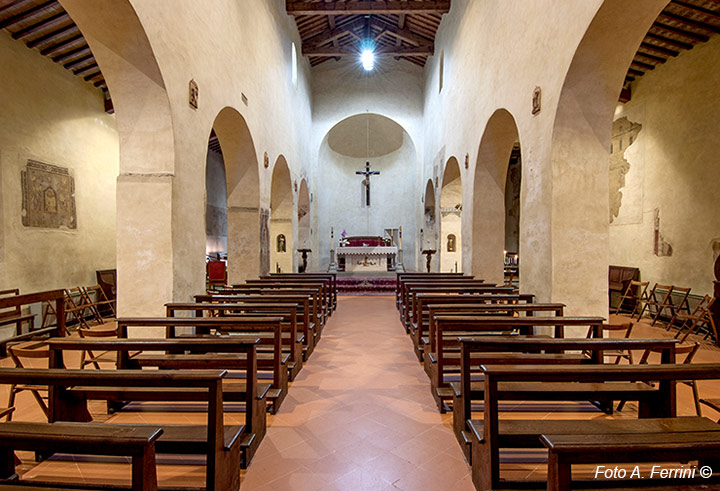
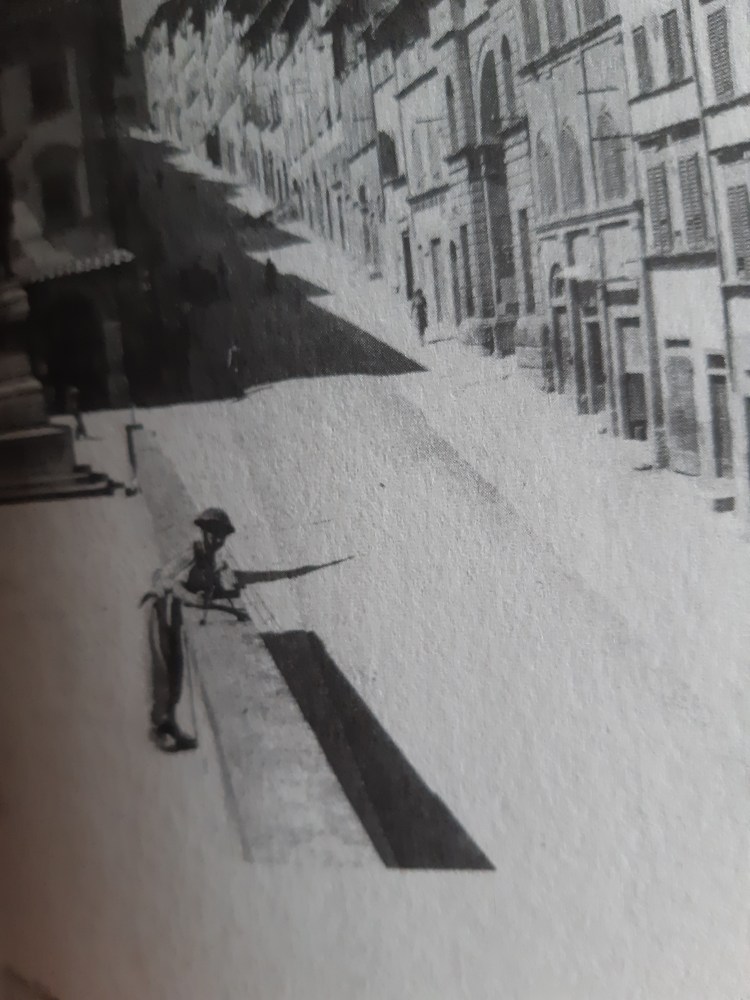
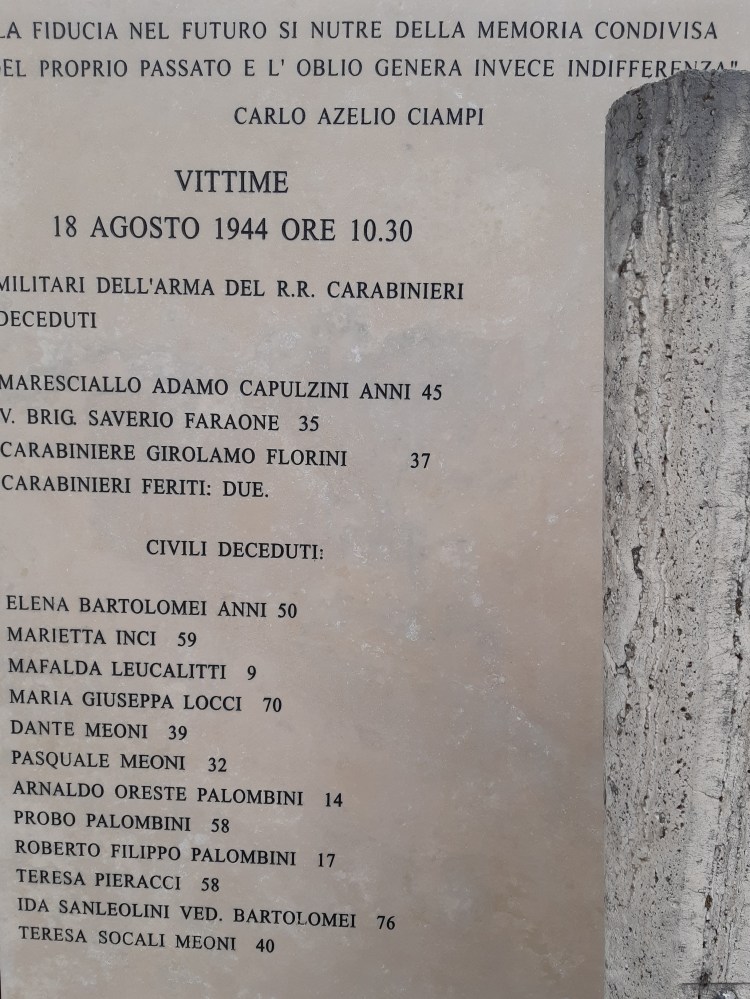
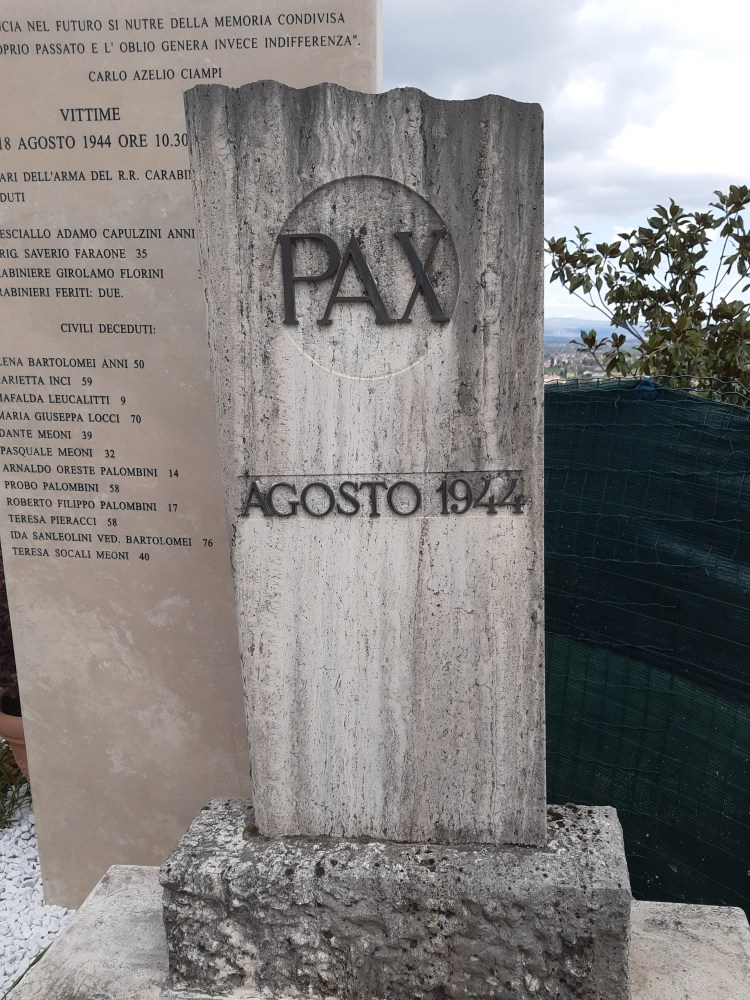
 Lurching towards Italy